






Amsterdam
27 curiously human self-guided audio tours
Browse all tours in Amsterdam



 Walking Tour
 60 mins

 Walking Tour
60 mins
Walking Tour
60 mins
 Walking Tour
120 mins
Walking Tour
120 mins
 Walking Tour
90 mins
Walking Tour
90 mins
 Walking Tour
90 mins
Walking Tour
90 mins
 Walking Tour
60 mins
Walking Tour
60 mins
 Walking Tour
60 mins
Walking Tour
60 mins
 Walking Tour
75 mins
Walking Tour
75 mins
 Walking Tour
90 mins
Walking Tour
90 mins
Introducing our Amsterdam tours
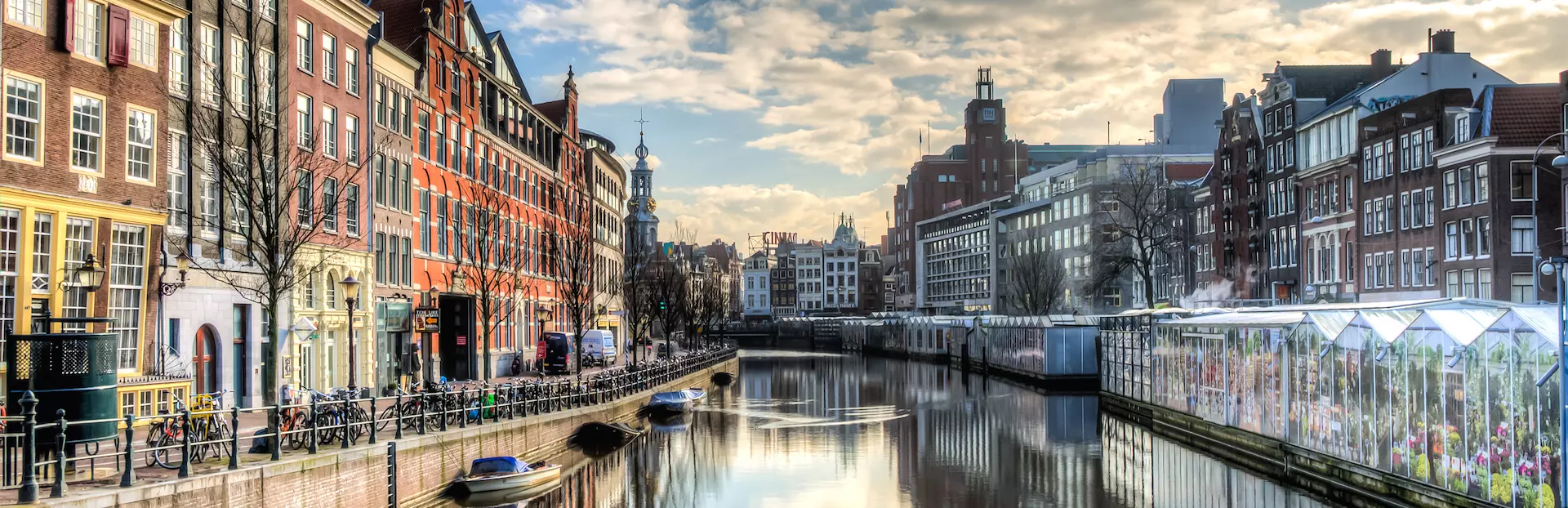
The Venice of the North. The City of Canals. Where 17th-century merchants' houses lean like old friends, and bicycles outnumber cars by thousands.
But here's Amsterdam's essential contradiction: it's both liberal showcase and deeply traditional. Tourists flood the Red Light District while locals play jeu de boules in Amstelveld Square. Everyone sees the coffee shops, but who understands gedogen—the uniquely Dutch art of turning a blind eye?
VoiceMap's self-guided audio tours unlock Amsterdam's layers with genuine local insight. Discover which waterways vanished under urban development, why Dutch tolerance isn't what tourists think it is and how this small city became a global giant of art and freedom.


Save with Amsterdam audio tour passes
How do passes work?

Download the app for free
VoiceMap
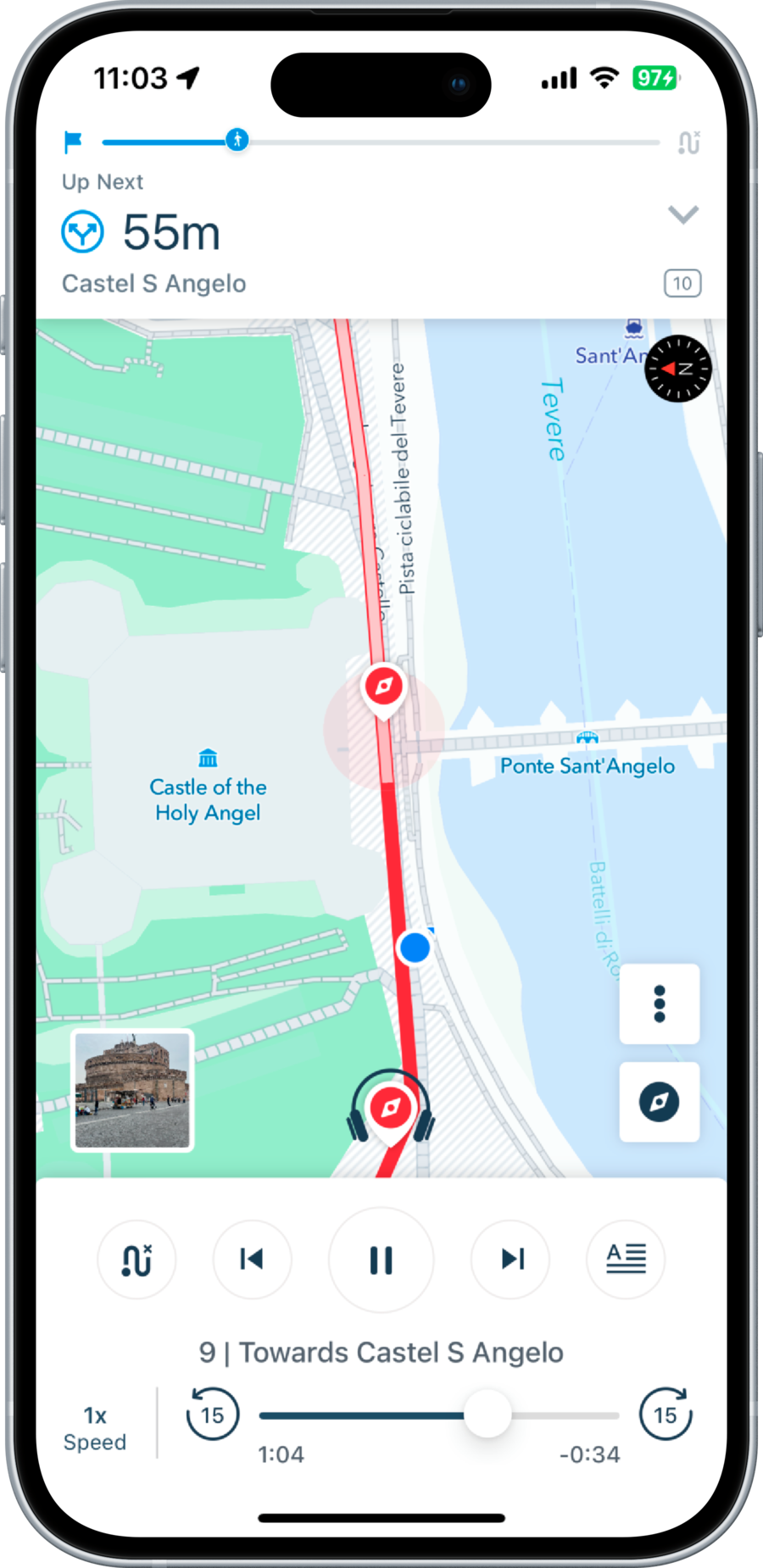
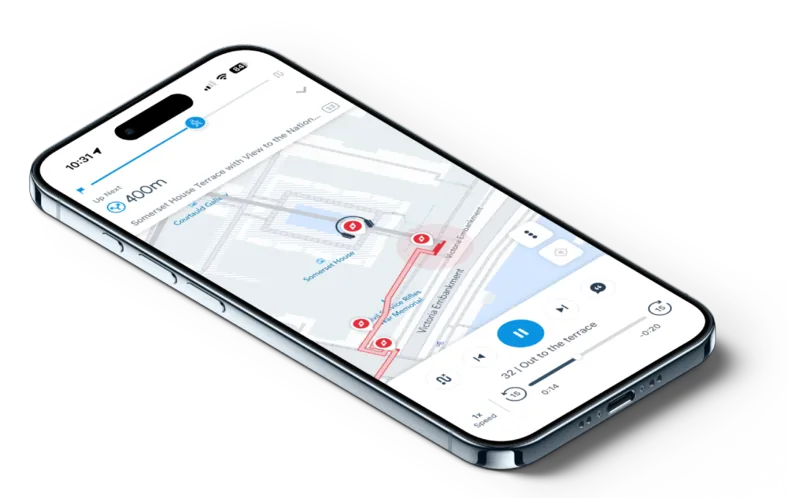
- Download tours to use them offline
- Listen hands-free with GPS playback
- Get turn-by-turn directions


Scan to get app
Download the app for free
VoiceMap




 App of the Day

 Editor’s Choice

Top-rated audio tours in Amsterdam
-
 Amsterdam
-
 Amsterdam
Red Light District$11.99
Amsterdam
Red Light District$11.99 -
-
 Amsterdam
-
 Amsterdam
-
 Amsterdam
-
 Amsterdam
-
 Amsterdam
-
 Top Rated
See all
Top Rated
See all



Audio guides by local experts




Amsterdam tours about Neighbourhoods

-
Amsterdam
Red Light District$11.99
-
Amsterdam
-
 Amsterdam
-
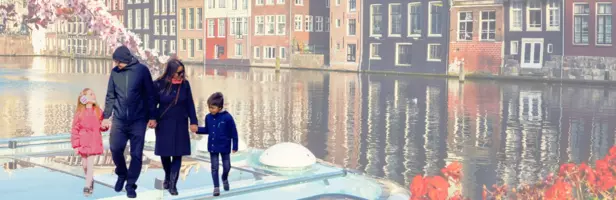 Amsterdam
-
 Neighbourhoods
See all
Neighbourhoods
See all
Amsterdam attractions on our audio guides
-
 Rijksmuseum
Amsterdam
Rijksmuseum
Amsterdam
 Featured on 2 routes
-
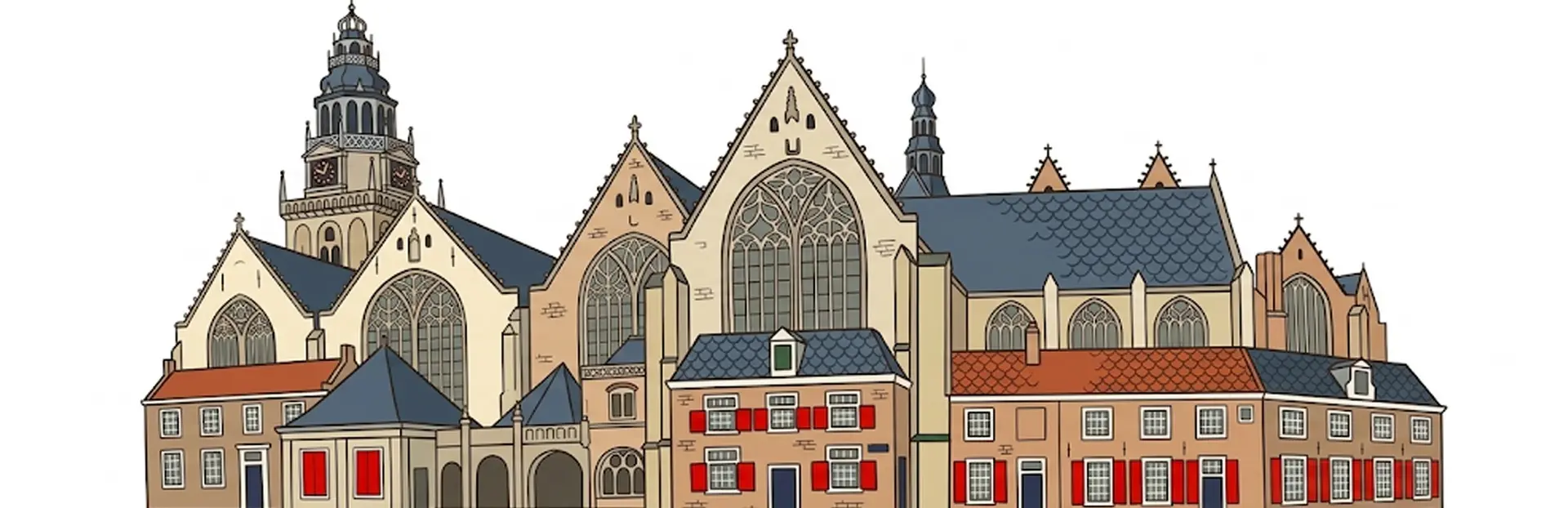 Oude Kerk Amsterdam
Amsterdam
Featured on 3 routes
Oude Kerk Amsterdam
Amsterdam
Featured on 3 routes
-
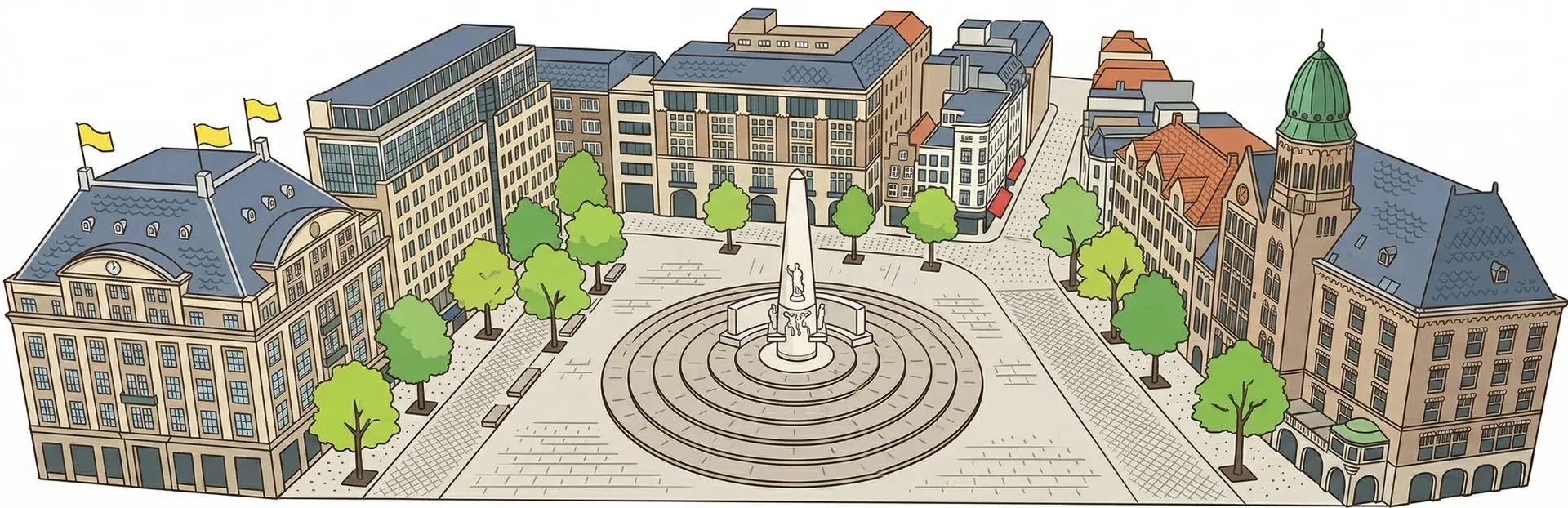 Dam Square
Amsterdam
Featured on 10 routes
Dam Square
Amsterdam
Featured on 10 routes
-
 National Maritime Museum
Amsterdam
Featured on 2 routes
National Maritime Museum
Amsterdam
Featured on 2 routes
-
 Royal Palace Amsterdam
Amsterdam
Featured on 3 routes
Royal Palace Amsterdam
Amsterdam
Featured on 3 routes
-
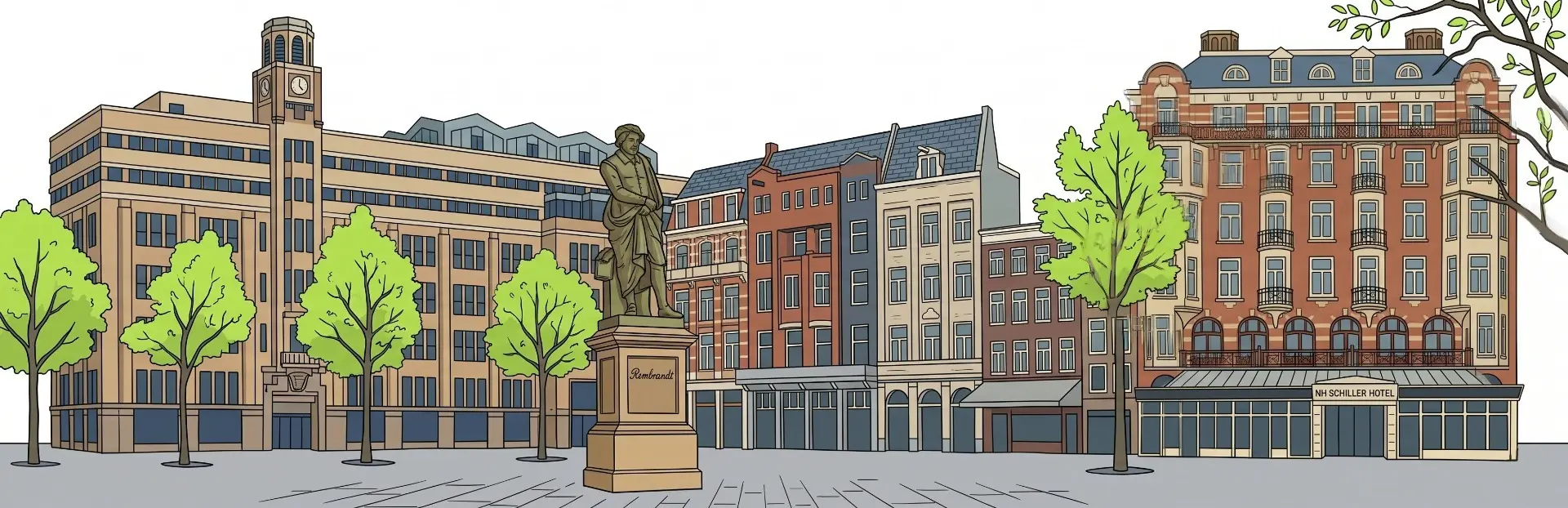 Rembrandtplein
Amsterdam
Featured on 4 routes
Rembrandtplein
Amsterdam
Featured on 4 routes
-
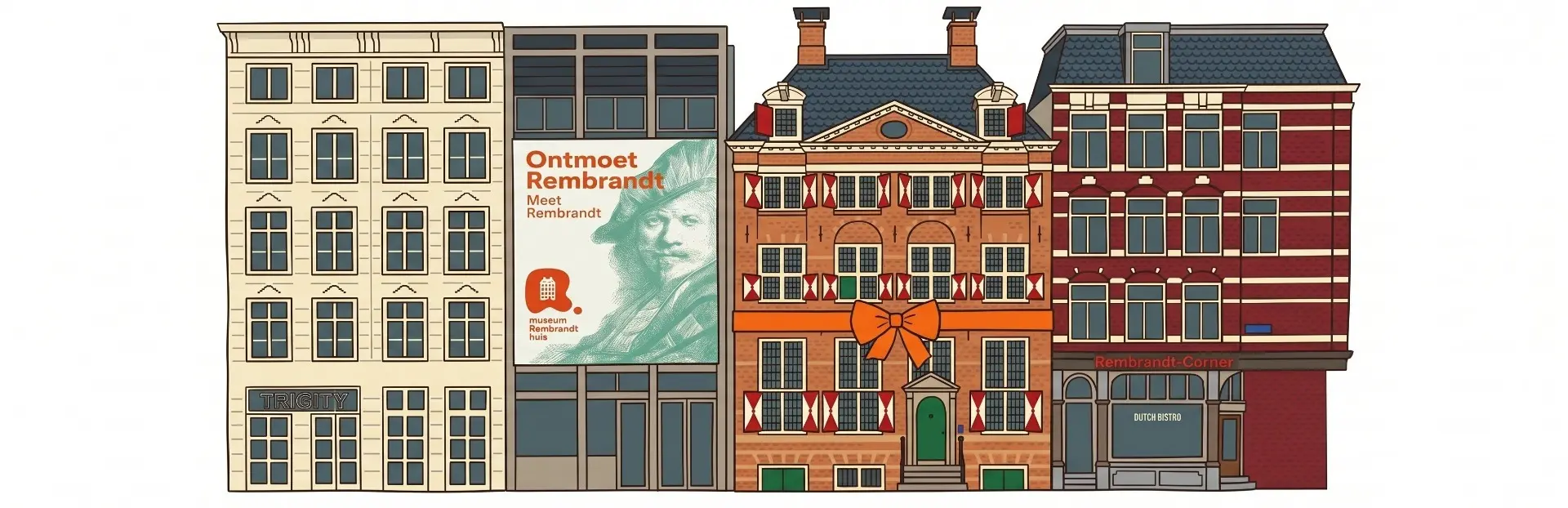 Rembrandt House Museum
Amsterdam
Featured on 2 routes
Rembrandt House Museum
Amsterdam
Featured on 2 routes
-
 Our Lord in the Attic
Amsterdam
Featured on 6 routes
Our Lord in the Attic
Amsterdam
Featured on 6 routes
-
 Westerkerk
Amsterdam
Featured on 1 route
Westerkerk
Amsterdam
Featured on 1 route
-
 Vondelpark
Amsterdam
Featured on 6 routes
Vondelpark
Amsterdam
Featured on 6 routes

How the VoiceMap app works
-
Focus on your surroundings, not the screen
The VoiceMap app uses GPS to play audio automatically, at the right time and place, so you can focus on your surroundings, not the screen.

-
Follow a route with turn-by-turn-directions
VoiceMap tours follow a route from a fixed starting point. That lets us give turn-by-turn directions and use context to tell a better story.

-
Resume playback to go at your own pace
If you'd like to stop for a drink or go into a museum, end your tour then use the Resume feature to pick up exactly where you left off.

-
Listen as many times as you like
You can listen to your tours as often as you like using both the VoiceMap app and website.

-
Take virtual tours anywhere, like a podcast
Select Virtual mode in the VoiceMap app to listen to tours like a podcast - at home or in transit.

-
Buy for less on voicemap.me and sync
Once you've purchased a tour, it's added to your VoiceMap library. To access it in the app, just sign in using the same account.

-
Do tours without paying for data
Tours work offline, so you don't have to pay roaming fees. Just download them over WiFi before you get started.

Best Amsterdam tours for sense of place
Tours that truly immerse you in your surroundings
-
Amsterdam
Red Light District$11.99
-
Amsterdam
-
Amsterdam
-
 Amsterdam
-
Amsterdam
-
Amsterdam
-
Amsterdam
-
-
 Sense of Place
See all
Sense of Place
See all
Nearby destinations



Frequently Asked Questions


The pressure to see everything — Anne Frank House, Rijksmuseum, Van Gogh Museum, canal cruise, Red Light District — in two or three days leaves many first-time visitors feeling they've processed Amsterdam rather than experienced it. Some of that is genuinely worth resisting.
The Anne Frank House is the one non-negotiable that requires advance planning: book exactly 60 days before your visit, online only, or you may not get in. If you can't get tickets, the Dutch Resistance Museum (Verzetsmuseum) covers the broader wartime story with equal depth and is far easier to get into. Of the main art museums, the Rijksmuseum is the more rewarding first-time choice — the building itself is extraordinary, and the collection is more varied than the Van Gogh Museum's singular focus.
Beyond the headline sites, the most useful thing a first-time visitor can do is get oriented before diving in. Amsterdam's concentric canal ring is genuinely disorienting at first — streets curve, landmarks repeat, and the standard tourist map doesn't convey how the city actually feels at street level. Edmond Van Putte's An Amsterdam Introduction — a 60-minute walking tour from Central Station through the old port and into the medieval centre — gives you that orientation first, with the history of how this city was literally built from a swamp layered in as you go. Van Putte is a historian and professional guide who has led tours in Amsterdam for years; the tour is the equivalent of spending an hour with someone who can explain why the city looks the way it does.
Once you have the shape of the city in your head, everything else — the Rijksmuseum, the canal walks, De Pijp — becomes easier to navigate on your own terms.
For the Anne Frank House: yes, and as early as possible. Tickets are released exactly 60 days before each visit date, online only, and the morning they go on sale can feel like a race. The museum + introductory programme combination sells out fastest. There are no tickets at the door, no authorised resellers, and no exceptions — book only through the official website at annefrank.org.
The Van Gogh Museum and Rijksmuseum also operate on timed entry, with tickets available online in advance. Both are manageable without weeks of planning — a few days ahead is usually enough outside peak season — but turning up and expecting to buy at the door will leave you disappointed. The Van Gogh Museum in particular sells out its most popular morning slots well in advance during summer.
VoiceMap tours require no booking at all. Download before you travel or on the morning you want to go — there's no time slot, no minimum group size, and no risk of selling out. If your plans change, you can start the tour an hour later, the next day, or on a future visit; the tour stays in your library permanently. For travellers who dislike committing their schedule weeks ahead, this is worth knowing before you start planning the rest of your trip.
Amsterdam's major museums are not cheap. The Rijksmuseum costs €23.50 for adults (children under 18 free); the Van Gogh Museum €25. The Anne Frank House is €16.50, including booking fee. Visiting all three in a single trip adds up to over €65 per person before you've eaten lunch.
Group walking tours range from tips-based free walking tours — where guides typically expect €10–€20 per person — to small-group paid tours at around €18–€33 per person for a two-to-three-hour walk. These can be good value, particularly for first-time visitors who want live context, but quality varies significantly by guide.
VoiceMap's Amsterdam tours run from $4.99 to $19.99. The lower end covers neighbourhood walks like the De Pijp stroll and An Amsterdam Introduction by historian Edmond Van Putte. At the top end, Context Travel's expert-led tours — Power and Politics with historian Marko Kassenaar and Dutch Delights with Jurgen Morel — are priced at $19.99, still well below the cost of a comparable group tour. And you get discounts for group purchases.
If you're doing multiple tours, VoiceMap's tour passes bring the per-tour cost down further. Details at voicemap.me/passes.
Amsterdam is an expensive city by European standards, but a significant amount of what makes it worth visiting costs nothing. Vondelpark is free, beautiful, and treated by locals as a communal living room; the Begijnhof — a hidden medieval courtyard near the Spui — is free and one of the most quietly extraordinary spaces in the city; walking the canal ring costs only shoe leather. The Westerkerk, the tallest church tower in Amsterdam, has free entry when open (a small donation is appreciated).
Free walking tours operate throughout the centre, typically tipping-based at €10–€20 suggested per person. They're a reasonable introduction to the city, though group sizes on popular tours can reach 30 or more in peak season, and quality varies by guide. They're worth considering for a first-morning orientation, less so as a substitute for more in-depth exploration.
VoiceMap's Amsterdam tours start at $4.99 — the Space Tourist Amsterdam tour by Alexandra Sokolowski, a space industry professional, covers the city's surprising connections to the space sector using Amsterdam's public transport system. The neighbourhood walking tours cluster between $7.99 and $9.99, and the Context Travel tours at $19.99 are still substantially cheaper than a comparable paid group tour. If you're planning multiple tours, a VoiceMap pass reduces the per-tour cost further; details at voicemap.me/passes.
The Museumkaart (Museum Card) — around €64.90 for adults — covers entry to over 400 museums across the Netherlands including the Rijksmuseum and Van Gogh Museum, and pays for itself after three or four visits. If you're spending more than a few days in Amsterdam and plan to visit multiple museums, it's worth calculating.
Amsterdam is one of the better European cities for solo travel, for a specific reason: it's designed for individual movement. The walking and cycling culture means you're always in company without being part of a group. The café scene — particularly the bruin cafés with their long communal tables and unhurried atmosphere — makes sitting alone feel natural rather than conspicuous. English is spoken so universally that navigating the city, ordering food, or asking directions involves essentially no language barrier.
For solo women specifically, Amsterdam generally warrants its reputation as a safe city, but with some area-specific awareness. The Red Light District (De Wallen) can feel uncomfortable at night, particularly on Friday and Saturday when alcohol and stag parties make the atmosphere unpredictable. The immediate surroundings of Central Station at night warrant the same low-level attention you'd apply in any major transport hub. Pickpockets are active in the tourist centre — the Albert Cuyp Market, Dam Square, and around the Rijksmuseum are the main hotspots. A bag worn across the body rather than on one shoulder is the standard precaution. Amsterdam consistently ranks among Europe's safer capital cities, but the tourist centre's density creates the usual concentration of opportunistic crime.
The self-guided tour format suits solo travel particularly well. You're just someone walking through the city with headphones in — entirely unremarkable in Amsterdam — getting the depth and direction of an expert-led tour without the social dynamics of joining a group.
Dam Square, the Red Light District, and the Rijksmuseum are what most visitors see. They're worth seeing — but they're also where Amsterdam is most crowded, most expensive, and least like itself. The city's real character lives a few streets (or a tram ride) away.
De Pijp is the neighbourhood most locals would recommend first. Built in the late 19th century as workers' housing, it's now home to the Albert Cuyp Market — one of Europe's longest street markets, running from Monday to Saturday — alongside a dense mix of cafés, independent restaurants, and the gezelligheid (cosy togetherness) that defines Amsterdam at its best. Context Travel's Dutch Delights food tour, led by Jurgen Morel — an international restaurant manager with deep roots in Amsterdam's food scene — covers the Pijp in detail, tracing how the city's colonial history shaped what ends up on the plate.
The Jordaan, just west of the canal ring, is quieter and more upmarket — narrow streets, independent galleries, and some of the best brown cafés in the city. The Oud-West neighbourhood, anchored by Vondelpark, gives you Amsterdam's green heart: parakeets in the entrance trees, rollerbladers near the pavilion, and a village-within-a-city atmosphere that feels nothing like the centre. Wilhelmus, a local resident who has lived near the park for years, guides VoiceMap's Vondelpark and Old West tour through both, ending at De Hallen — a converted 1900s tram depot now housing food markets, a cinema, and local maker studios.
Further east, the old Jewish Quarter (Jodenbuurt) and the docklands hold a different kind of depth: two hours of maritime history, Rembrandt's rise and bankruptcy, and one of the most significant concentrations of WWII memorials in Europe.
It rains in Amsterdam regularly, and not always lightly — the Dutch expression typisch Nederlands weer
(typical Dutch weather) is said with a particular kind of resigned affection. An umbrella is not optional.
The obvious indoor options are excellent. The Rijksmuseum can absorb a full morning comfortably, and the Van Gogh Museum is compact enough that a two-hour rainy-day visit feels satisfying rather than rushed. For something less crowded and more unusual, Our Lord in the Attic (Ons' Lieve Heer op Solder) on Oudezijds Voorburgwal — a fully functioning Catholic church hidden in the attic of a 17th-century canal house — is one of Amsterdam's most quietly remarkable spaces. The Dutch Resistance Museum (Verzetsmuseum) in the Jewish Quarter offers some of the most personal WWII storytelling in Europe. NEMO Science Museum, shaped like a ship and partly built over what was once an arm of the sea, is worth visiting for the building alone.
Amsterdam's café culture was designed for exactly this kind of weather. Finding a bruin café (brown café — the traditional dark-wood local pub) and staying for two hours with a jenever or a coffee is not wasting time; it's doing Amsterdam correctly.
Note that VoiceMap's Amsterdam catalogue is entirely outdoor tours — there are no indoor audio tours for the city's museums. If rain is a real possibility during your visit (and it is), factoring in a museum day alongside your walking plans is worth doing.
Dutch food has a reputation it doesn't entirely deserve — for being plain, filling, and unmemorable. The reality in Amsterdam is more interesting, shaped by the same colonial trade routes that built the city's Golden Age wealth.
The things genuinely worth seeking out: stroopwafels, which originated in Gouda in the 1780s and are best eaten fresh from a market stall, placed on top of a hot coffee so the steam softens the caramel filling; bitterballen, deep-fried balls of creamy beef stew served as a snack in every bruin café; haring, raw herring eaten with chopped onion from a street stall (the correct technique, locally, is to hold it by the tail and tip it into your mouth); and jenever, the Dutch gin from which English gin descends, best drunk neat in a small glass at a traditional proeflokaal tasting house. Greg Shapiro's The Dutch Invented That tour ends at Wynand Fockink — one of Amsterdam's oldest jenever bars, tucked down an alley off Damstraat — as a deliberate final stop.
Amsterdam's Indonesian rijsttafel (rice table) is a legacy of Dutch colonial rule: dozens of small dishes served together, originally designed to let Dutch colonisers sample as many Indonesian foods as possible in a single sitting. It's now deeply embedded in Amsterdam's food culture. The Surinamese and Turkish food in De Pijp is also genuinely good and significantly cheaper than the tourist centre.
A freshness caveat: specific restaurants, market stalls, and vendors change frequently. Context Travel's Dutch Delights food tour, guided by Jurgen Morel, covers the Albert Cuyp Market and De Pijp in detail with current recommendations — but always check recent reviews before committing to a specific stop.
Guided tours of Amsterdam's Red Light District — De Wallen — have been banned since January 2020. The city council banned them for two reasons: the historic neighbourhood had become dangerously overcrowded, with up to 28 tour groups passing through per hour at peak times, and the tours were treating sex workers as a tourist attraction. As one city councillor put it at the time, it was no longer acceptable in this age.
The ban applies to all organised group tours, whether paid or free. Individual visitors can still walk through the neighbourhood freely, but no guide may lead a group there. Photography of sex workers is also prohibited — the windows are their workplaces, and pointing a camera at them, even accidentally, is both disrespectful and illegal under local rules. If you're walking through with headphones in, the same courtesy applies: keep your phone in your pocket near the windows.
The practical upshot is that a self-guided audio tour is now the only format that lets you explore De Wallen with proper historical context. VoiceMap's Red Light District tour, created by Republic of Amsterdam Radio — a team of long-term Amsterdam residents — covers the neighbourhood's 800-year history, the Dutch concept of gedogen (tolerance within the law), and the complex realities of the sex industry today, all without contributing to the crowding and voyeurism the ban was designed to address.
Amsterdam's historic centre is one of the most heavily visited urban areas in Europe. On a summer weekend, the streets between Central Station and Dam Square can feel less like a city than a theme park: slow-moving crowds, souvenir shops at every corner, and the constant background noise of group tours. This isn't a problem that's going away — the city has been wrestling with it for years, and the solutions are partial at best.
The most effective response is displacement: spend less time in the two or three streets that absorb most of the tourist traffic and more time in the neighbourhoods that don't. De Pijp, Jordaan, Oud-West, and the Jewish Quarter all offer Amsterdam's canals, architecture, and café culture without the crowds. They're not hidden — locals know them well — but they're rarely overwhelmed.
When you do want to see the historic centre, timing matters. Before 9am and after 5pm, the congestion drops noticeably. Arriving at the Anne Frank House for its first timed slot, or walking the canal ring before the tour boats start, gives you an experience that feels nothing like the midday rush.
Self-guided exploration also helps in a way that group tours can't: you move at your own pace, you don't add to the herding dynamic, and you pause in a cafe when things get too crowded. VoiceMap's Amsterdam tours are designed around this kind of unhurried, self-directed movement — the Introduction tour by Edmond Van Putte, for example, starts from Central Station but quickly moves away from the tourist drag into the older, quieter streets around the Oude Kerk.
Amsterdam's historic centre is compact and largely flat — distances that look long on a map are often manageable on foot, and the canal ring is specifically designed to be walked. In good weather, you can cover a significant amount of ground in a morning without feeling like you've done a route march.
What makes walking here genuinely different from most cities is the cyclists. Amsterdam has somewhere over 900,000 bicycles for under a million residents, and Dutch cycling culture is assertive rather than apologetic. Bike lanes run alongside most main streets, but the lanes themselves aren't always clearly marked, and cyclists don't slow down for pedestrians who wander into them. The rule to internalise quickly is: look both ways before stepping sideways, not just before crossing a road. Tram tracks are a secondary hazard — narrow wheels can catch in them — and the klinkers (traditional cobblestones) covering many streets are beautiful but uneven, and genuinely difficult for anyone with a bad knee or a rolling suitcase.
Construction is a near-constant feature of the old centre. Amsterdam sits on waterlogged peat, which means the ground shifts continuously and infrastructure requires permanent maintenance. If a street is temporarily blocked, walking around the block almost always gets you back on route — VoiceMap's tours include a note about this in the guidance for exactly this reason.
Mobility note: several of Amsterdam's most significant sites — the Anne Frank House in particular — involve steep, narrow staircases that are not accessible to wheelchair users or anyone with limited mobility. Check individual venue accessibility before visiting.
Early morning — before 9am — is a different city. Dam Square, which by 11am is packed with tour groups, selfie-stick vendors, and pigeons, is genuinely beautiful in the early light with almost no one in it. The canal ring is at its best before the tourist boats start their engines. The narrow streets around the Oude Kerk are quiet enough to hear the church bells clearly. This window closes faster than you'd expect: Amsterdam's centre fills up quickly, especially from late spring through summer and during school holidays.
The other good window is late afternoon into early evening, roughly 5–7pm, when day-trippers have largely left and the city shifts into its own rhythm. The terraces along the Herengracht fill with locals; the Albert Cuyp Market is wrapping up its trading day; the Vondelpark reaches its most sociable point. This is also when the canals are best for walking — the light is softer, and the bridges aren't jammed with people photographing the reflections.
Weekday mornings are consistently less crowded than weekends year-round. Amsterdam receives around 20 million visitors a year into a city of under a million residents — the pressure on the centre is real, and timing is the single most effective way to manage it. One practical advantage of a self-guided audio tour is that there's no fixed departure time to work around: VoiceMap's Amsterdam tours can be started at 7am if that's when you want to walk, without waiting for a group to assemble or a guide to arrive.
Before the Second World War, Amsterdam had one of the largest and most established Jewish communities in Western Europe — around 80,000 people, many of whose families had lived in the city for centuries. By the end of the war, approximately 75% had been murdered in the Holocaust. What remains is one of the most significant concentrations of Jewish history, memory, and continued community life anywhere on the continent.
The Portuguese Synagogue on Jonas Daniel Meijerplein, completed in 1675, was the largest synagogue in the world when it opened — a monument to the wealth and confidence of Amsterdam's Sephardic Jewish community. It still has no electric light; gatherings are lit by thousands of candles, exactly as they were in the 17th century. Across the square, the four former Ashkenazi synagogues now house the Jewish Historical Museum. The National Holocaust Names Memorial nearby carries the names of more than 102,000 Dutch victims, one brick per name, arranged in the shape of Hebrew letters meaning in memory of.
The Dutch Resistance Museum (Verzetsmuseum) a short walk away tells the wartime story more broadly — what life looked like for ordinary Amsterdammers under occupation — with a level of personal detail that makes it one of the most affecting museums in Europe.
Edmond Van Putte's Old Amsterdam walking tour — a two-hour route through the east side and the old Jewish Quarter — connects all of these sites in sequence, with the maritime history and Rembrandt's story woven in as context. Van Putte is a historian and guide who has spent years studying this area of the city; the tour passes the Rembrandt House Museum, the Portuguese Synagogue, the Holocaust memorials, and the Verzetsmuseum, and can be paused at any point to go inside.
The canal walks are obvious for a reason — they're genuinely lovely, especially early in the morning before the tour boats start up and the bridges fill with visitors. But Amsterdam offers something more interesting for couples than scenic strolling: a city that rewards moving slowly and sharing what you notice.
De Pijp is the neighbourhood that comes up most consistently among couples who know Amsterdam well. It has the density of a village — the Albert Cuyp Market on a weekday morning, the independent restaurants along Ferdinand Bolstraat, the Sarphatipark for a picnic if the weather holds — without the tourist congestion of the centre. Context Travel's Dutch Delights food tour, guided by Jurgen Morel, is structured as a walk through this neighbourhood with food stops built in, and works well as a shared afternoon activity rather than a planned excursion.
The Vondelpark on a warm evening is one of Amsterdam's most gezellig (the Dutch word for cosy, convivial togetherness — untranslatable but immediately felt) experiences: locals picnicking, the open-air theatre running in summer, the pavilion café with its terrace. Greg Shapiro's The Dutch Invented That tour — created by an American comedian who has become a Dutch citizen — ends at a historic jenever bar down an alley off Damstraat, which is a better ending to an afternoon than most planned itineraries manage.
The self-guided format gives couples something group tours rarely do: the ability to stop when something catches your attention, double back if you miss something, and argue about where to have lunch without a guide waiting for you.


Explore more with VoiceMap
-
Get a group discount
Get 15% to 50% off when you buy for a group

-

-