





ATTRACTION
Westerkerk,
Amsterdam

About
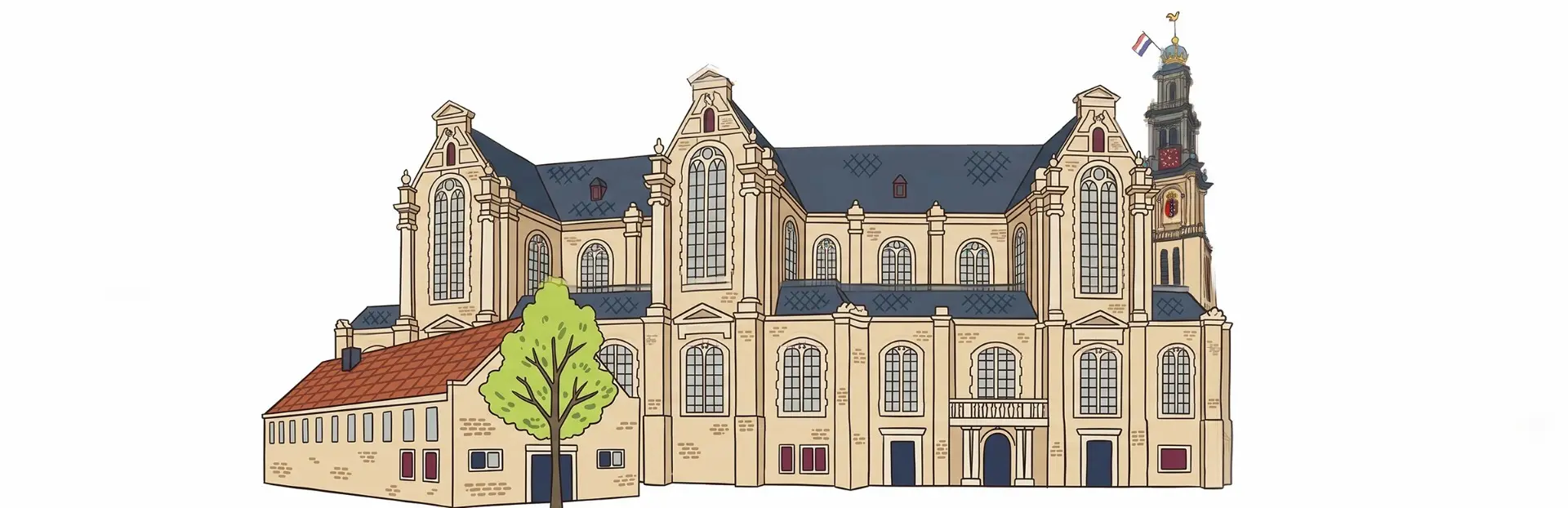
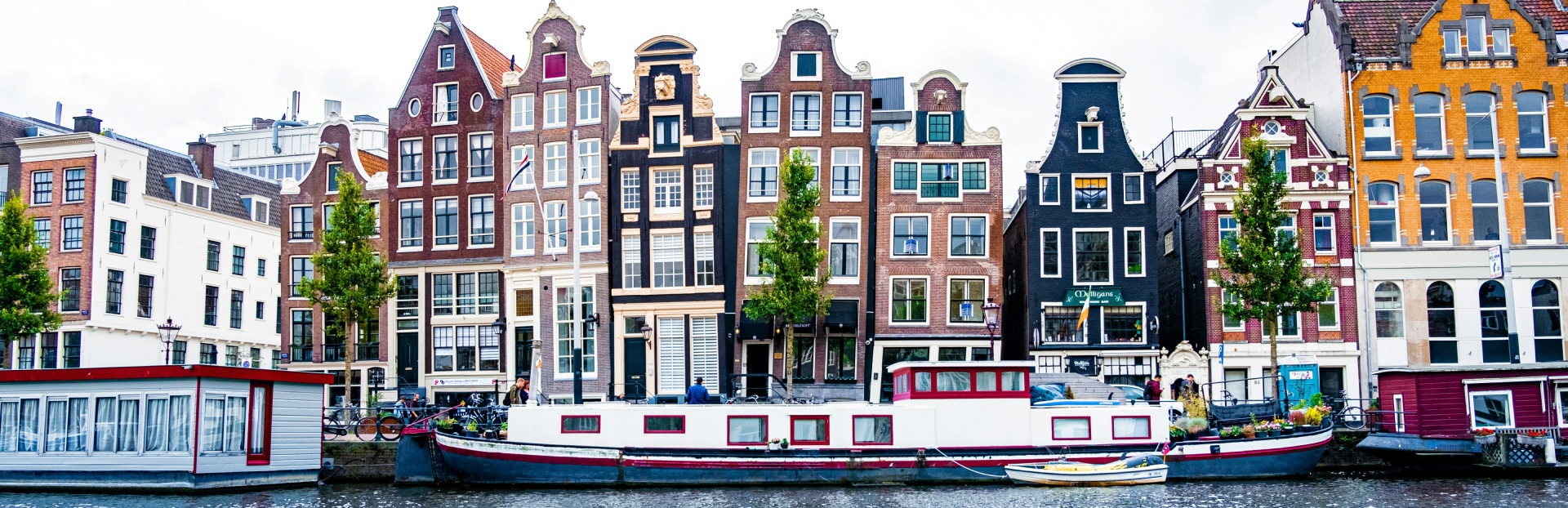
The Westerkerk anchors the Prinsengracht in Amsterdam's canal belt with a tower so tall it served for centuries as a fire-watch post for the whole city. Designed by Hendrick de Keyser and completed in 1631, it was, at the time, the largest Protestant church in the world. At its summit sits a blue imperial crown, studded with 750 glass balls representing pearls, each one marking a year of Amsterdam's age. The crown was a medieval seal of civic trustworthiness, repurposed here as a marketing device for a city that ran on trade.
Rembrandt died nearby, penniless, and was buried inside. His grave has since disappeared, though a commemoration stone remains. Anne Frank, hiding just metres away on the Prinsengracht, wrote that she could hear the Westerkerk's bells from the secret annexe.
VoiceMap's self-guided tours use the Westerkerk to trace Amsterdam's Golden Age, following Hendrick de Keyser's fingerprints across the canal belt and connecting the church's imperial symbolism to the merchant ambitions that shaped the city.
Rembrandt died nearby, penniless, and was buried inside. His grave has since disappeared, though a commemoration stone remains. Anne Frank, hiding just metres away on the Prinsengracht, wrote that she could hear the Westerkerk's bells from the secret annexe.
VoiceMap's self-guided tours use the Westerkerk to trace Amsterdam's Golden Age, following Hendrick de Keyser's fingerprints across the canal belt and connecting the church's imperial symbolism to the merchant ambitions that shaped the city.

Tours featuring Westerkerk (1)

Architecture
Local Legends
Fine Art
Connect with the liberal mindset that shaped artistic life here in the 1600s

 Walking Tour
|
 75 mins
Download the app for free
VoiceMap
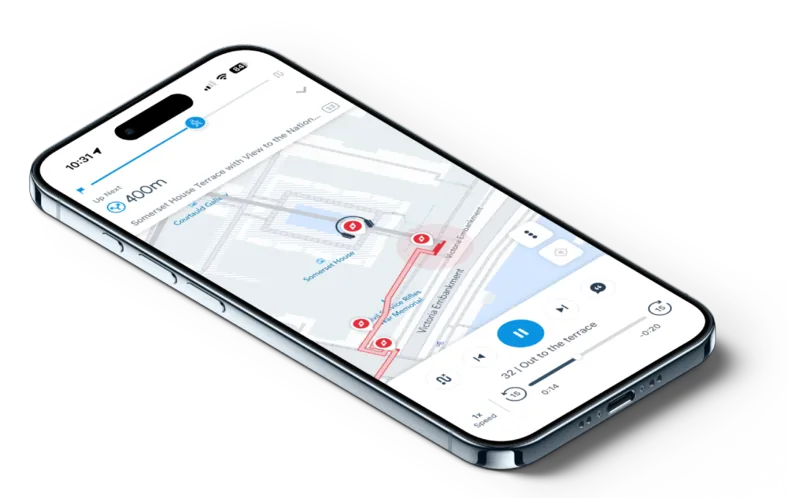
- Download tours to use them offline
- Listen hands-free with GPS playback
- Get turn-by-turn directions


Scan to get app
Download the app for free
VoiceMap




 App of the Day

 Editor’s Choice






Itchy feet? Us too
VoiceMap’s newsletter scratches that itch and stimulates your senses,
every fortnight. Curiosity is the only currency you need to subscribe.

Exploring is easier with a VoiceMap account
To purchase tours, add them to a wishlist, or access them with the VoiceMap app, please sign in or create a VoiceMap account


Exploring is easier with a VoiceMap account
To purchase tours, add them to a wishlist, or access them with the VoiceMap app, please sign in or create a VoiceMap account