





ATTRACTION
The Reichstag Building,
Berlin

About
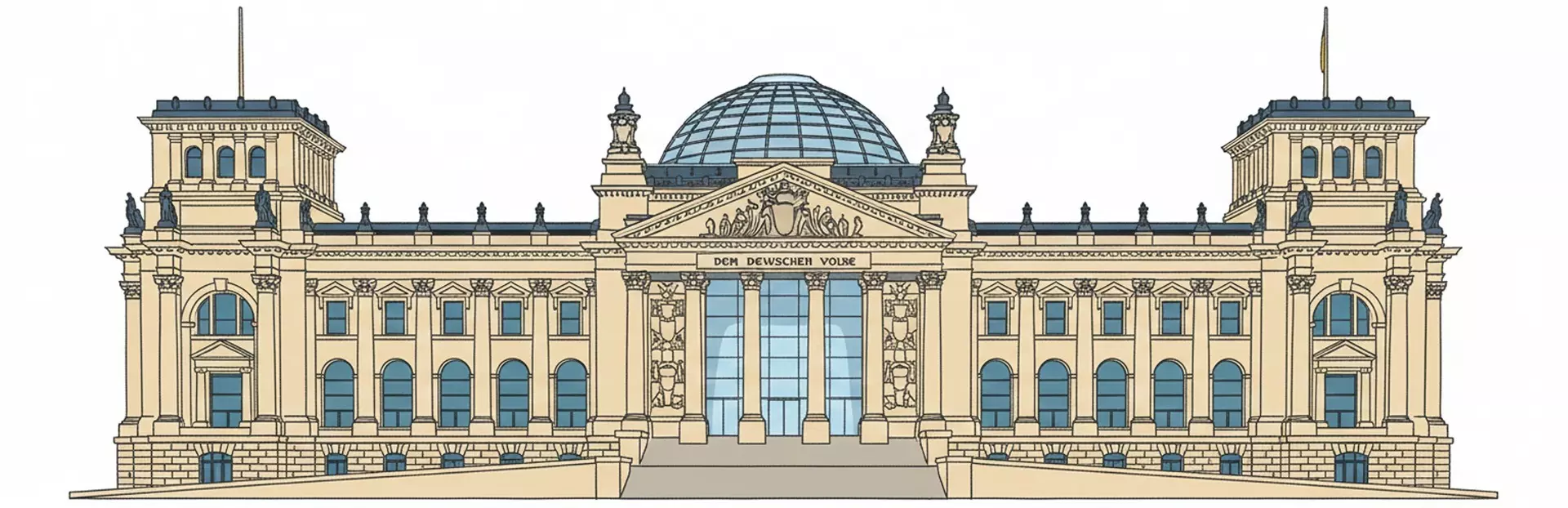
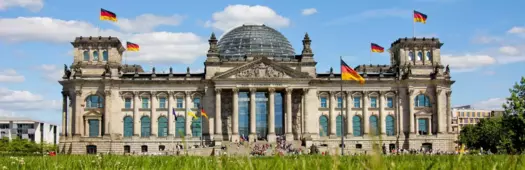
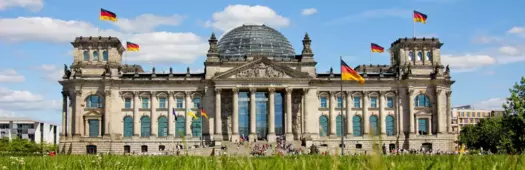
The Reichstag (German parliament) opened in 1894, but Kaiser Wilhelm refused to allow the words "Dem Deutschen Volke" (To the German People) to be inscribed above its entrance for over twenty years. This was because he did not like the fact that its dome stood higher than his palace and wanted parliament to be nothing more than a talking shop while he kept real power for himself. The inscription wasn't carved until 1916.
The building caught fire in 1933 under dubious circumstances. Hitler blamed communists and used the blaze as an excuse to suspend constitutional rights, ban opposition parties, and seize absolute control.
After reunification, British architect Norman Foster rebuilt the Reichstag with a glass dome. His central idea was for visitors to look down on members of parliament, a symbolic reversal in a country where too many leaders had been deified. The building has ninety-six cast-iron plates outside that commemorate the nearly 100 of 550 Reichstag members murdered by the Nazis within a few years of 1933.
VoiceMap's self-guided audio tours explain why the building became Germany's most powerful democratic symbol.
The building caught fire in 1933 under dubious circumstances. Hitler blamed communists and used the blaze as an excuse to suspend constitutional rights, ban opposition parties, and seize absolute control.
After reunification, British architect Norman Foster rebuilt the Reichstag with a glass dome. His central idea was for visitors to look down on members of parliament, a symbolic reversal in a country where too many leaders had been deified. The building has ninety-six cast-iron plates outside that commemorate the nearly 100 of 550 Reichstag members murdered by the Nazis within a few years of 1933.
VoiceMap's self-guided audio tours explain why the building became Germany's most powerful democratic symbol.

Tours featuring the Reichstag Building (3)


Modern History
Top Sights
Social Movements
Explore Berlin's often tumultuous and endlessly fascinating history

 Walking Tour
|
 20 mins
Modern History
Social Movements
Top Sights
See the city’s tragic history reflected in its iconic and lesser-known landmarks
 Walking Tour
|
90 mins
Berlins Geschichte am Beispiel von bekannten und verborgenen Sehenswürdigkeiten
Walking Tour
|
75 mins
Download the app for free
VoiceMap
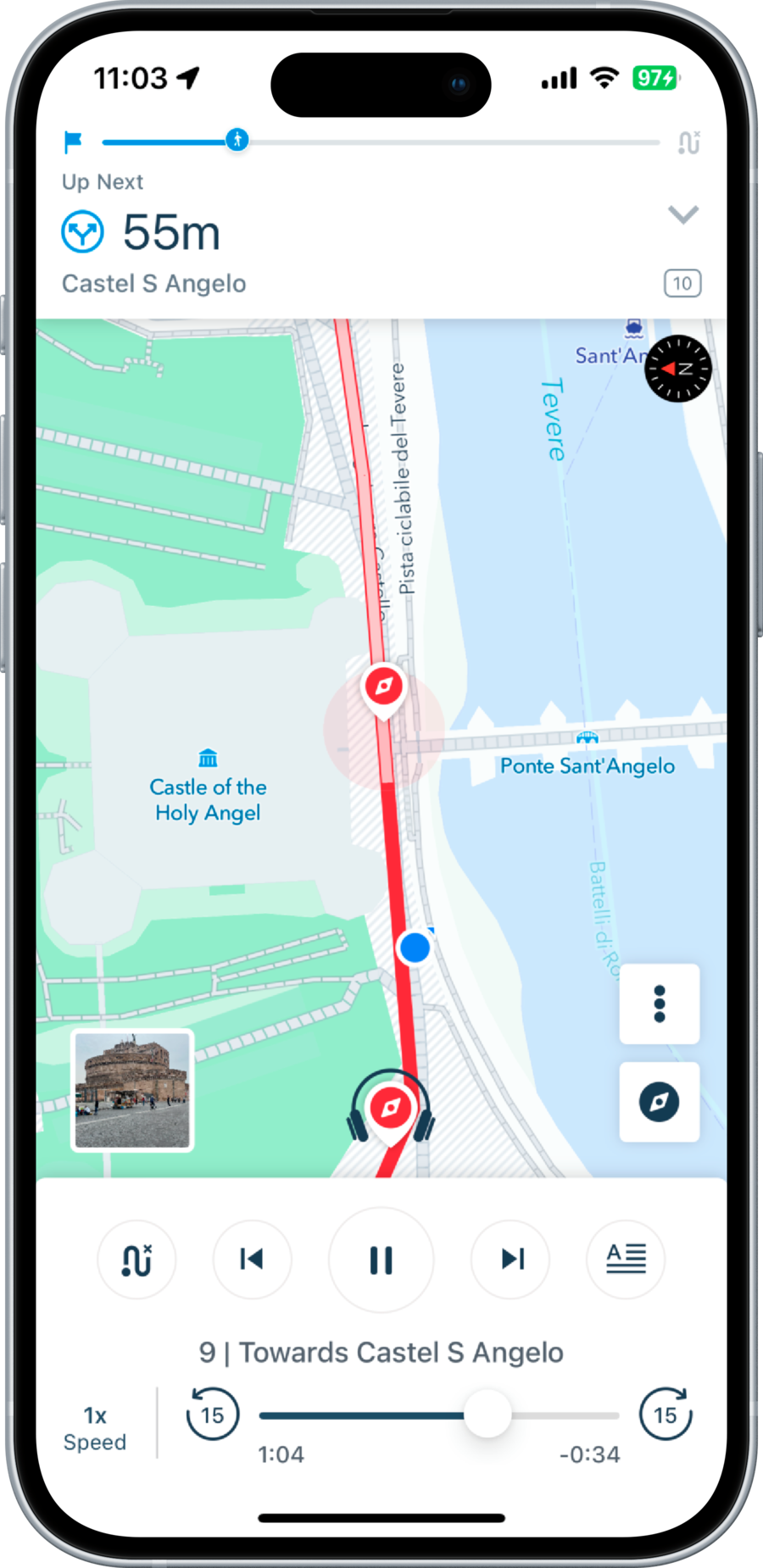
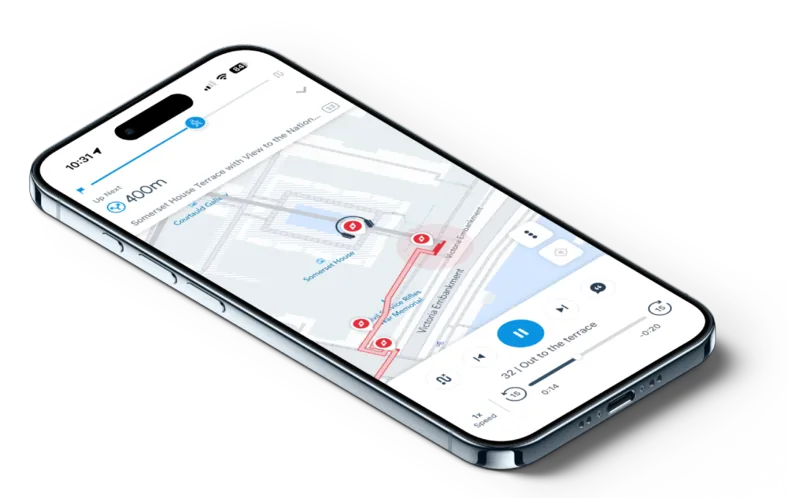
- Download tours to use them offline
- Listen hands-free with GPS playback
- Get turn-by-turn directions


Scan to get app
Download the app for free
VoiceMap




 App of the Day

 Editor’s Choice






Itchy feet? Us too
VoiceMap’s newsletter scratches that itch and stimulates your senses,
every fortnight. Curiosity is the only currency you need to subscribe.

Exploring is easier with a VoiceMap account
To purchase tours, add them to a wishlist, or access them with the VoiceMap app, please sign in or create a VoiceMap account


Exploring is easier with a VoiceMap account
To purchase tours, add them to a wishlist, or access them with the VoiceMap app, please sign in or create a VoiceMap account