





Budapest
11 curiously human self-guided audio tours
Browse all tours in Budapest



 Walking Tour
 120 mins
 Walking Tour
90 mins
Walking Tour
90 mins
 Walking Tour
90 mins
Walking Tour
90 mins
 Walking Tour
90 mins
Walking Tour
90 mins
 Walking Tour
75 mins
Walking Tour
75 mins
 Walking Tour
75 mins
Walking Tour
75 mins
 Walking Tour
60 mins
Walking Tour
60 mins
 Walking Tour
60 mins
Walking Tour
60 mins
 Walking Tour
60 mins
Walking Tour
60 mins
Introducing our Budapest tours
Until 1873, Budapest was two cities divided by the Danube – hilly Buda on one bank, flat Pest on the other – and in many ways it still is. Castle Hill's medieval lanes feel nothing like the grand boulevards across the river, and the Ottoman-era baths in Buda follow different rhythms to the pálinka bars down in Pest.
Beneath it all, thermal springs have been pushing through limestone since the Romans settled Aquincum. Every civilisation since has built on top of them, and the chess players hunched over floating boards at Széchenyi baths are a symbol of modern Budapest.
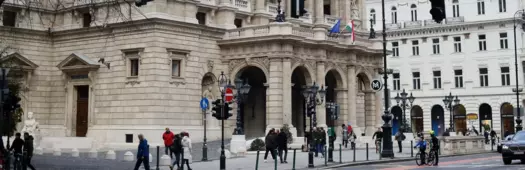
VoiceMap's self-guided audio tours trace the layers others walk right past, from the Opera on Andrássy Avenue that made Vienna jealous, to the House of Terror where double-thick walls muffle a darker history. Wander the Jewish Quarter's ruin bars and labyrinthine passageways, or let a fairy-tale castle built from cardboard explain a thousand years of Magyar pride.
Just put in your earbuds, hit start, and soak up this tale of two cities.


Save with Budapest audio tour passes
How do passes work?

Download the app for free
VoiceMap
- Download tours to use them offline
- Listen hands-free with GPS playback
- Get turn-by-turn directions


Scan to get app
Download the app for free
VoiceMap




 App of the Day

 Editor’s Choice
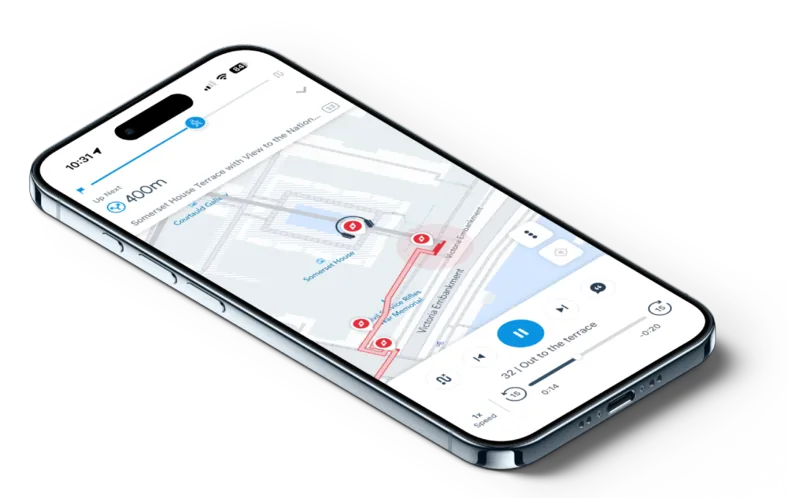

Self-guided walking tours in Budapest
-
-
-
 Budapest
-
 Budapest
-
 Budapest
-
 Budapest
-
-
 Budapest
-
 Walk
See all
Walk
See all

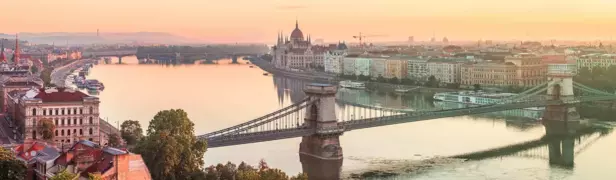

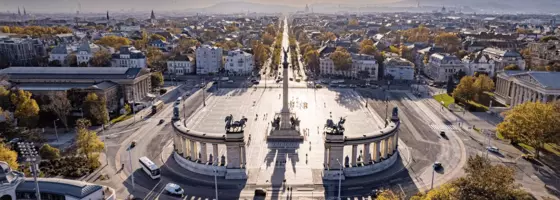
Budapest attractions on our audio guides
-
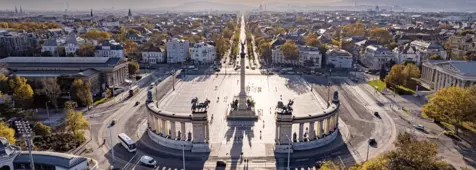
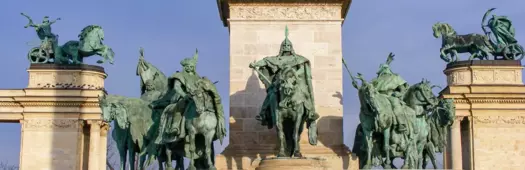
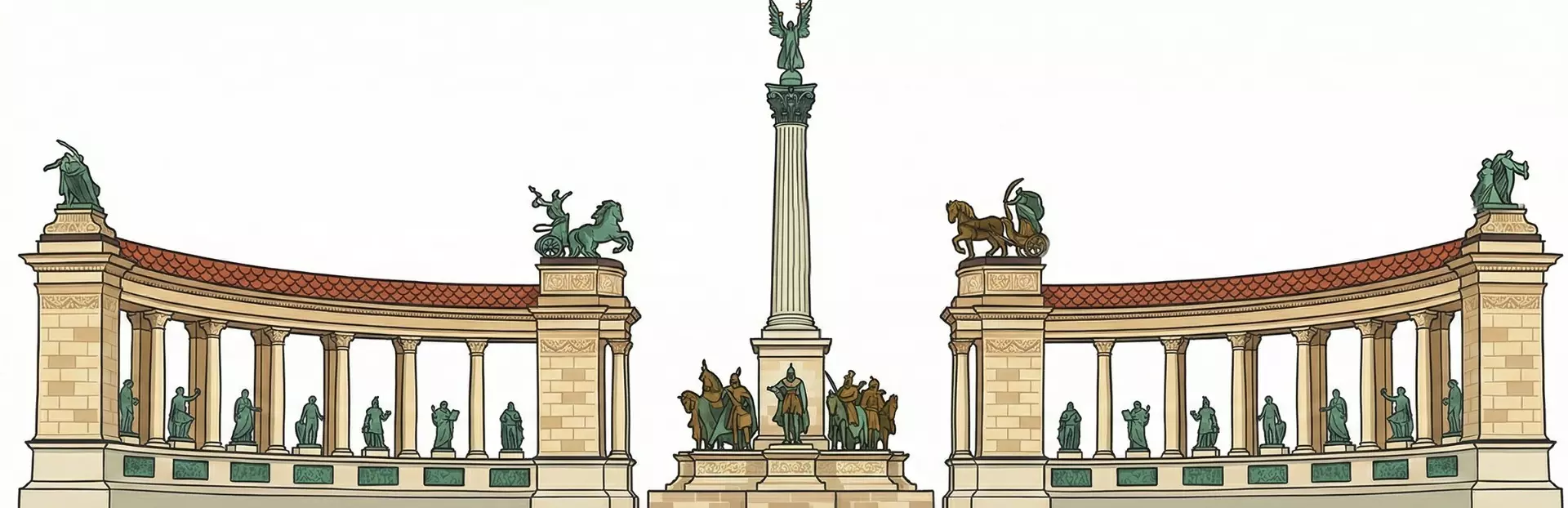 Heroes' Square
Budapest
Heroes' Square
Budapest
 Featured on 3 routes
-
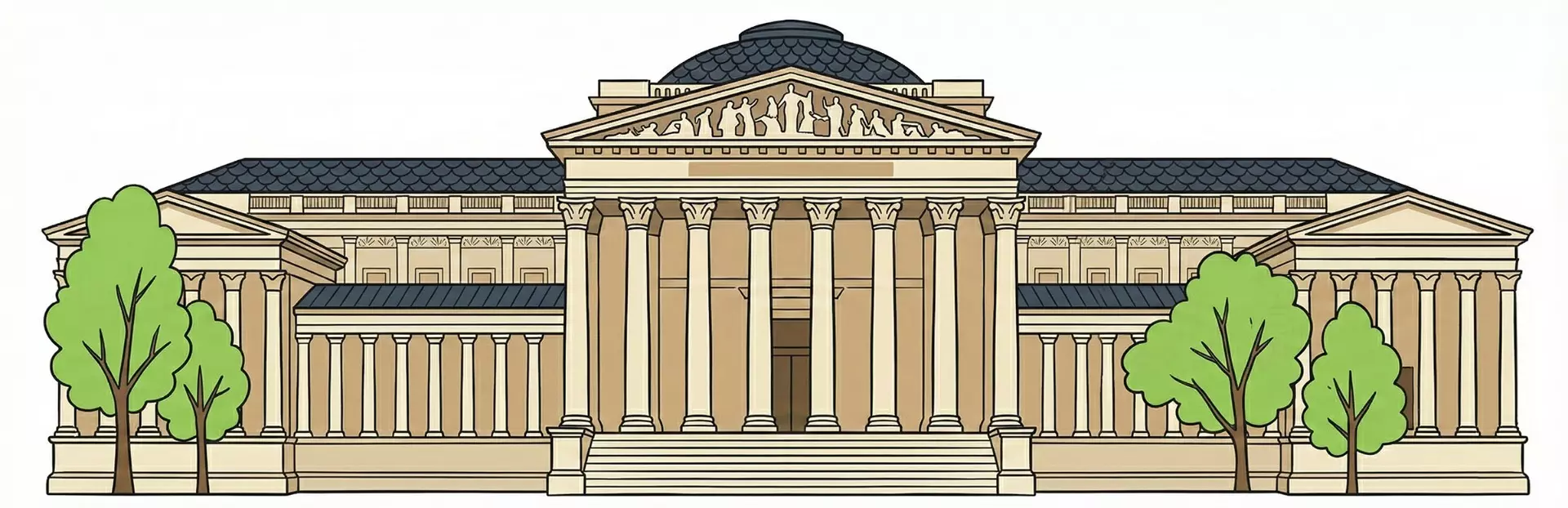 Museum of Fine Arts
Budapest
Featured on 3 routes
Museum of Fine Arts
Budapest
Featured on 3 routes
-
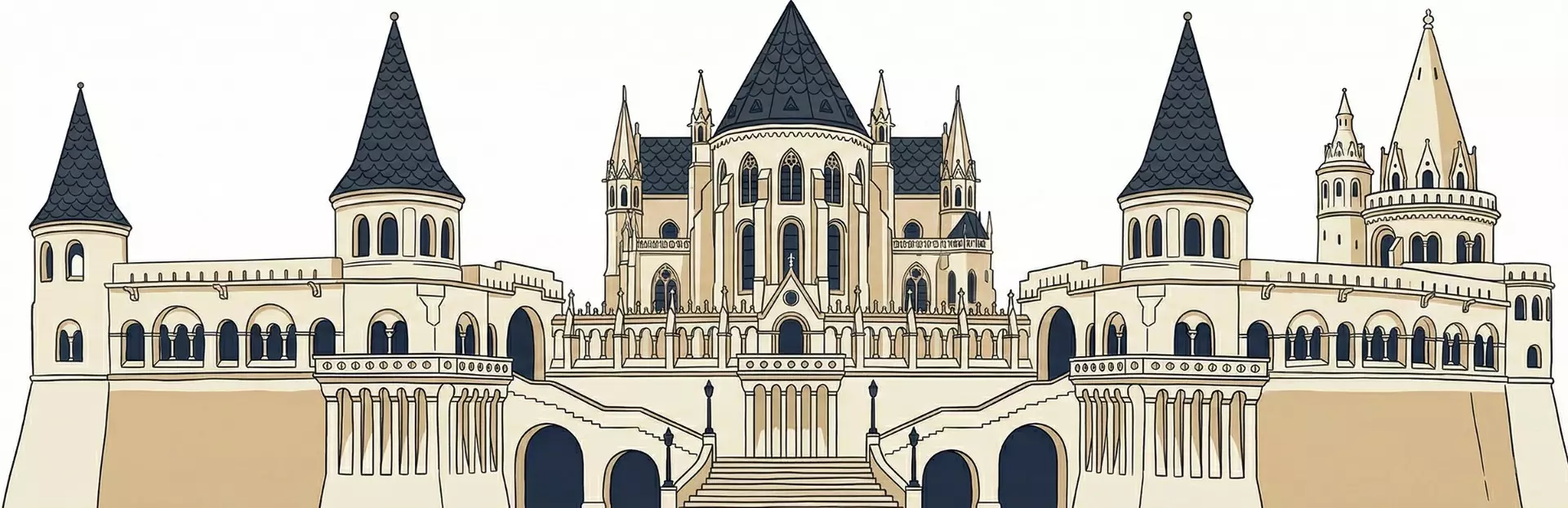 Fisherman's Bastion
Budapest
Featured on 1 route
Fisherman's Bastion
Budapest
Featured on 1 route
-
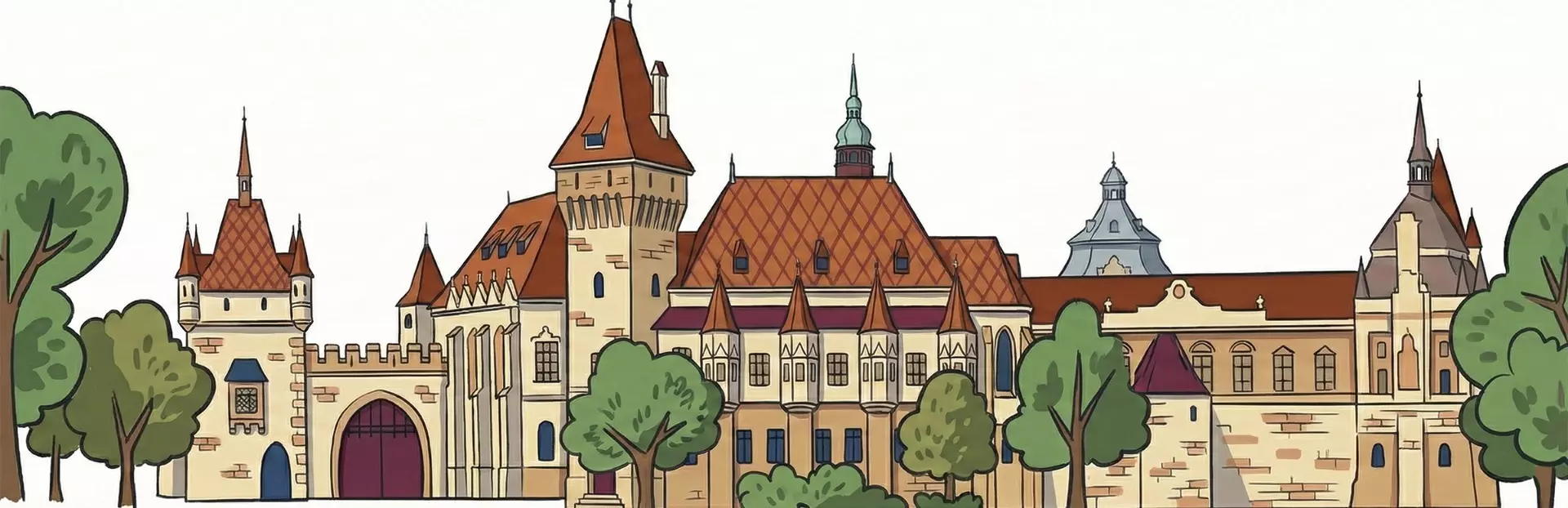 Vajdahunyad Castle
Budapest
Featured on 2 routes
Vajdahunyad Castle
Budapest
Featured on 2 routes
-
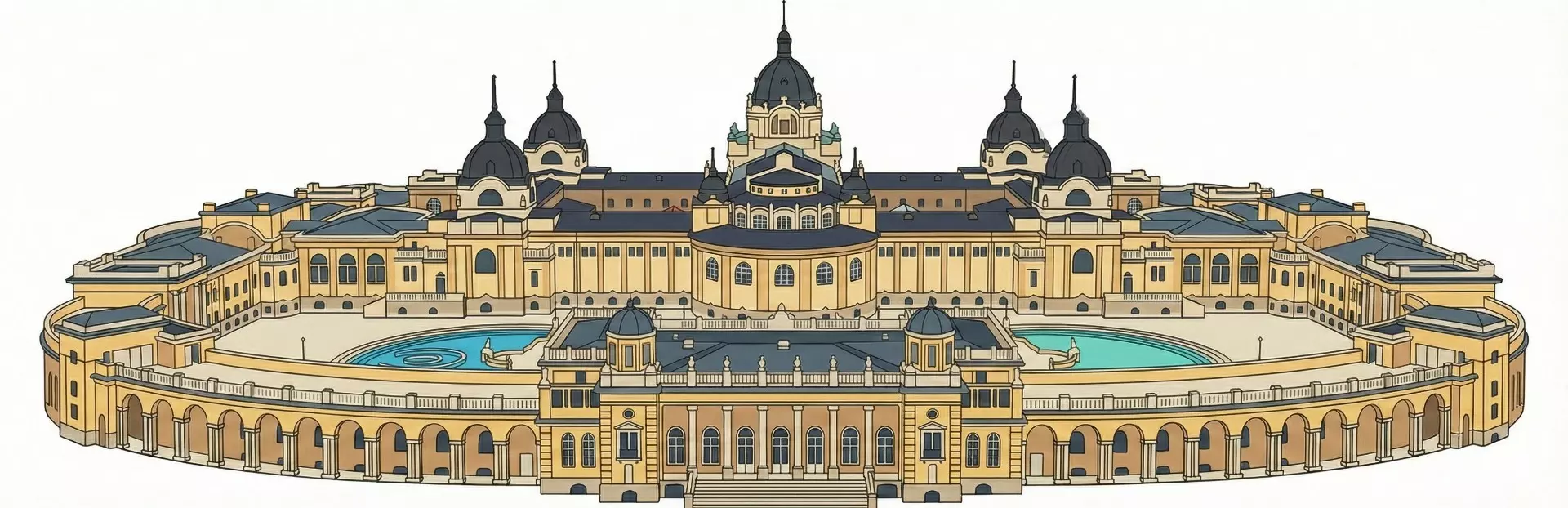 Széchenyi Thermal Bath
Budapest
Featured on 2 routes
Széchenyi Thermal Bath
Budapest
Featured on 2 routes
-
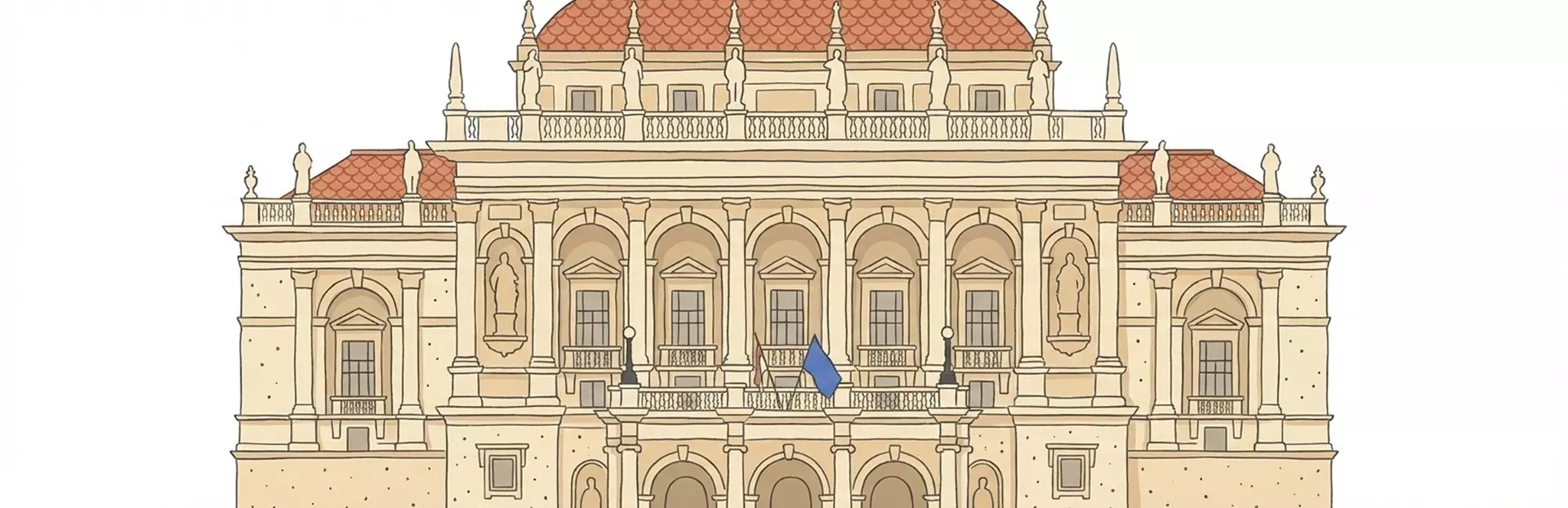 Budapest Operetta Theatre
Budapest
Featured on 2 routes
Budapest Operetta Theatre
Budapest
Featured on 2 routes
-
 St. Stephen's Basilica
Budapest
Featured on 2 routes
St. Stephen's Basilica
Budapest
Featured on 2 routes
-
 Liberty Square
Budapest
Featured on 2 routes
Liberty Square
Budapest
Featured on 2 routes
-
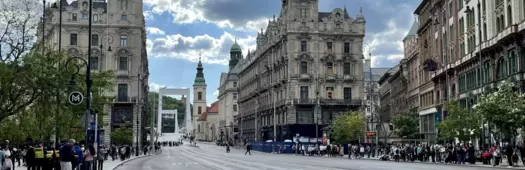
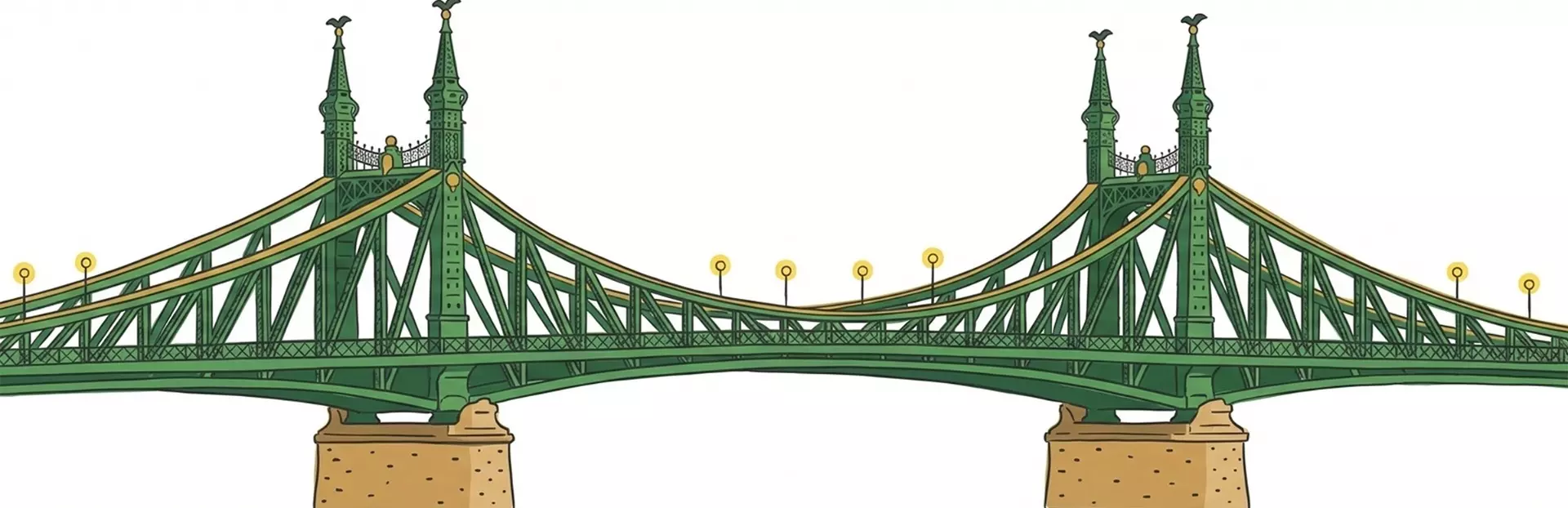 Liberty Bridge
Budapest
Featured on 1 route
Liberty Bridge
Budapest
Featured on 1 route
Budapest tours about Modern History

-
-
Budapest
-
Budapest
-
-
Budapest
-
 Modern History
See all
Modern History
See all
Audio guides by local experts


Best Budapest tours for sense of place
Tours that truly immerse you in your surroundings
-
Budapest
-
Budapest
-
-
-
Budapest
-
Budapest
-
-
-
 Sense of Place
See all
Sense of Place
See all
How the VoiceMap app works
-
Focus on your surroundings, not the screen
The VoiceMap app uses GPS to play audio automatically, at the right time and place, so you can focus on your surroundings, not the screen.

-
Follow a route with turn-by-turn-directions
VoiceMap tours follow a route from a fixed starting point. That lets us give turn-by-turn directions and use context to tell a better story.

-
Resume playback to go at your own pace
If you'd like to stop for a drink or go into a museum, end your tour then use the Resume feature to pick up exactly where you left off.
-
Listen as many times as you like
You can listen to your tours as often as you like using both the VoiceMap app and website.

-
Take virtual tours anywhere, like a podcast
Select Virtual mode in the VoiceMap app to listen to tours like a podcast - at home or in transit.

-
Buy for less on voicemap.me and sync
Once you've purchased a tour, it's added to your VoiceMap library. To access it in the app, just sign in using the same account.

-
Do tours without paying for data
Tours work offline, so you don't have to pay roaming fees. Just download them over WiFi before you get started.

Budapest tours about UNESCO Sites
-
Budapest
-
Budapest
-
-
 UNESCO Sites
See all
UNESCO Sites
See all


Nearby destinations


Explore more with VoiceMap
-
Get a group discount
Get 15% to 50% off when you buy for a group

-

-



Frequently Asked Questions


A paid group walking tour typically costs €15–35 per person for a two- to three-hour experience with 8 to 16 other people. Free walking tours are widely available on a tip basis, with most people leaving €10–20 per person, though groups can swell to 30 or more in peak season.
VoiceMap's self-guided audio tours range from $8.99 to $14.99 and work differently from both. The audio is triggered by GPS as you walk, so there's no standing around while a guide addresses the group, no waiting for everyone to reassemble at the next stop, and no time lost to the logistics of moving 20 people through a busy street. A 60-minute VoiceMap tour covers ground that a group tour might stretch across two hours. You also keep the tour permanently, so you can replay it on a future visit or finish it the next day if your plans change.
A tour pass brings the per-tour cost down further if you're planning to do several across your trip.
Budapest is already one of Europe's best-value major cities, and exploring it doesn't need to cost much. The Danube promenade, Gellért Hill viewpoint, the Fisherman's Bastion terrace, and City Park are all free. The Central Market Hall costs nothing to enter and is where locals actually shop. The ground floor has produce and spices; the upstairs stalls serve lángos (fried bread with cheese, sour cream, and garlic) for a few hundred forints. A chimney cake from a street vendor costs even less.
VoiceMap's Budapest tours range from $8.99 to $14.99. A group walking tour at €15–35 per person covers similar ground but takes longer, because you're stopping and starting with 15 other people and waiting while the guide addresses the group. Free walking tours carry a tip expectation of €10–20, so they're not free either. A VoiceMap tour pass brings the per-tour price down further if you plan to do several.
Thermal baths are the biggest single expense for most visitors. Széchenyi starts around 13,200 HUF (~€33) on weekdays. For a more affordable soak, try Lukács Baths, which starts from around 7,000 HUF (~€18) and draws a more local crowd.
Start by understanding the split. Budapest is two cities joined by a river. Buda and Pest were separate towns until 1873, and the Danube still divides them in character as much as geography. Pest is flat, urban, and walkable, with most of the restaurants, hotels, and nightlife. Buda is hilly, quieter, and home to the Castle District and Gellért Hill. Most visitors spend the majority of their time on the Pest side, crossing to Buda for a half-day.
A walking tour of the Pest centre on your first day is the most efficient way to build a mental map. Downtown Budapest: A Guide to its Past and Present by Tas Tóbiás, a culture journalist specialised in Budapest and Vienna, starts at Liberty Bridge and works through the Central Market Hall, St Stephen's Basilica, Liberty Square, and Parliament in about 60 minutes. By the end you'll know how the main landmarks connect and where the side streets worth exploring branch off. The M1 metro beneath Andrássy Avenue links the centre to Heroes' Square and City Park in under ten minutes.
The density of history surprises people. Within a few hundred metres in the Jewish Quarter, you'll pass a synagogue that looks like a mosque, a silver tree bearing the names of Holocaust victims, the birthplace of Harry Houdini, and a ruin bar built in an abandoned apartment building. Without someone explaining the connections, you walk through all of it without grasping what you're looking at.
The Buda/Pest divide catches visitors out too. The two sides are different enough that switching between them mid-day eats an hour of your time on bridges and transport. Pest is flat and easy; Buda involves a genuine climb.
Then there are the details that puncture expectations. The strudel is Hungarian, not Austrian. The Ottomans taught Hungarians to make filo dough during 150 years of occupation, and it only became Viennese when Hungarians moved to Vienna after the empire formed. The Opera House was deliberately built to be more ornate than Vienna's; Emperor Franz Joseph reportedly arrived at the opening and told the Hungarians he'd said it shouldn't be bigger, but apparently forgot to say it shouldn't be nicer either. And Vajdahunyad Castle in City Park, which looks medieval, was originally built from cardboard for a national celebration in 1896.
VoiceMap's publishers are good at surfacing this kind of detail. Vince Bur, Tas Tóbiás, and Magdi Pelech are all locals who weave personal stories and neighbourhood knowledge into their narration. Magdi Pelech's personal memories of growing up under communism are something you won't find in many guidebooks.
Two days is enough to see the essential sides of Budapest. The main trade-off is between Pest and Buda. Crossing the river too many times eats into your day, so keeping each day roughly on one side works well.
Spend your first day on the Pest side. Start with a walk through Downtown to get oriented: Liberty Bridge, the Central Market Hall (worth ducking into for lángos from the upstairs stalls), St Stephen's Basilica. Then give your afternoon to the Jewish Quarter, where synagogues, Holocaust memorials, hidden courtyards, and ruin bars occupy the same few blocks. Tas Tóbiás's Downtown Budapest and Jewish Quarter tours cover both areas. For dinner, Két Szerecsen Bistro near the Opera serves Hungarian and French dishes and is a favourite of several VoiceMap publishers.
On your second day, cross to Buda for the Castle District in the morning, before the crowds and the heat. Then reward yourself with an afternoon at Széchenyi Thermal Bath. Vince Bur's Vibrant Városliget tour walks you through City Park and ends at the baths, so you arrive ready to soak. Bring swimwear, flip-flops, and a towel.
If the Castle District doesn't interest you, that's a perfectly good call. Andrássy Avenue from the Opera to Heroes' Square is a UNESCO-listed walk in its own right, and the House of Terror Museum partway along is worth the detour for anyone curious about Hungary's 20th-century history.
Most visitors know Budapest's District VII as the ruin bar neighbourhood. What they miss is that they're drinking in the same streets where Europe's largest Jewish community outside Russia once lived, and where some of the Holocaust's most harrowing and heroic stories played out within metres of each other.
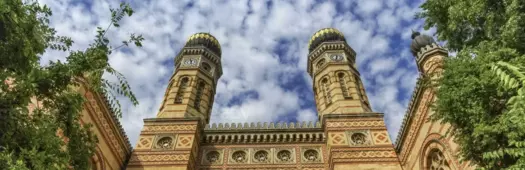
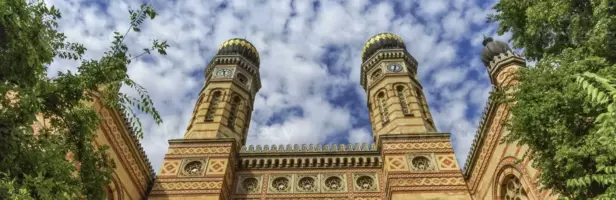
The Dohány Street Synagogue, the largest in Europe, looks more like a North African mosque than a traditional temple. Its eight-sided Moorish stars predate the Star of David as a common Jewish symbol. Behind it, in the rear courtyard, a weeping willow sculpture rises over mass graves from the winter of 1944–45. Each silver leaf bears the name of a victim. The memorial was commissioned by Tony Curtis, the son of a Hungarian Jewish tailor who had fled this neighbourhood in the 1920s and made a new life in America. Around the corner, stumbling stones mark the last known addresses of deportees. The hidden passages connecting the courtyards of apartment buildings were originally designed so the community could reach the synagogue without walking far on Shabbat. During the war, those same passages became escape routes.
VoiceMap has two tours that piece this together from different angles. Budapest's Jewish Quarter: A Walk Through its Past and Present by Tas Tóbiás, a culture journalist specialised in Budapest and Vienna, traces the neighbourhood's formation and survival across centuries. The Jewish Quarter's Forgotten Stories by Vince Bur, a licensed Budapest guide born and raised in the city, covers the Hollywood connections, the hidden courtyards, and the area's transformation into a party district. Between them, you'll understand why this neighbourhood matters even if you never set foot in a ruin bar.
Give it half a day. The Castle District is spread across a hilltop, and the distances between sites are longer than they look on a map. Matthias Church, the Fisherman's Bastion, the Hungarian National Gallery, and the Hospital in the Rock are the headliners, but the smaller details reward a slower pace: the medieval Jewish chapel, the memorial to the last Ottoman pasha of Buda, the view from the terrace behind Prince Eugene's statue.
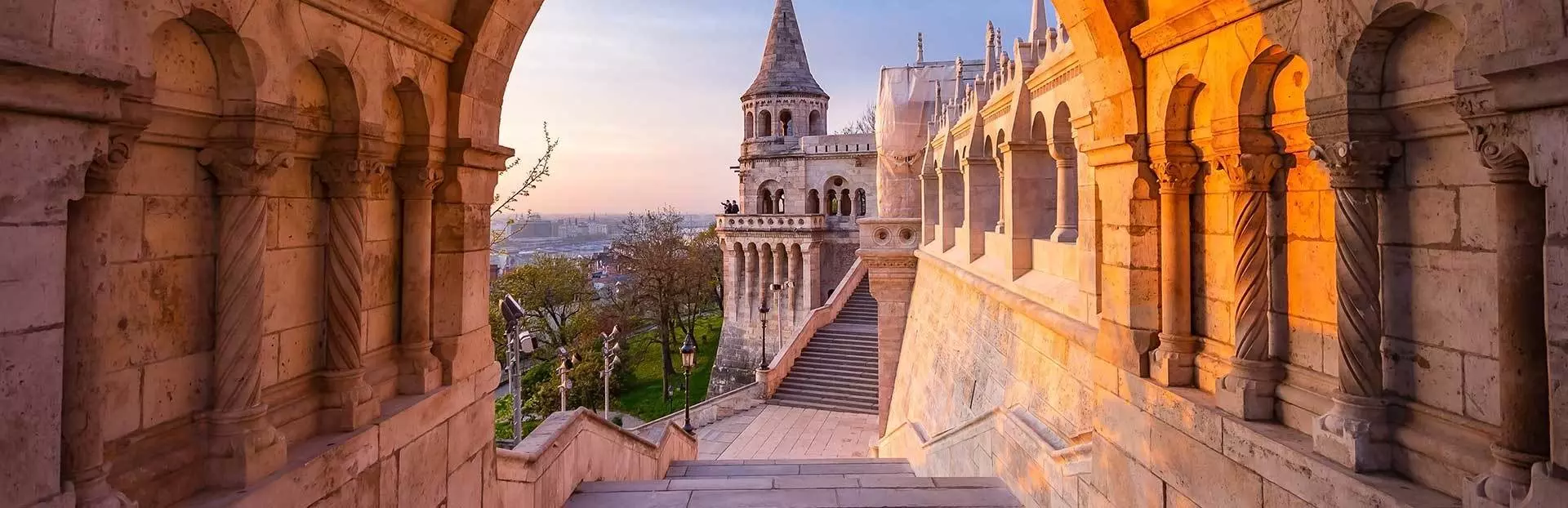
If time is short, make the Fisherman's Bastion terrace and Matthias Church your priorities. The Bastion was built purely for the pleasure of looking at a beautiful city, and the view across the Danube to Parliament is Budapest's best. Matthias Church is worth entering for its interior alone. Look for the black-capped Tower of the Spirit, which once held tiny bells that announced deaths in the district below. Soviet artillery destroyed the tower in the Second World War. It was rebuilt, but the bells themselves vanished into history.
Buda's Castle District by Vince Bur, a licensed guide who grew up in Budapest, is a 120-minute walking tour covering the full hilltop from the Music History Museum to the National Gallery. Along the way he points you to the Budavári Rétesvár, a small bakery with excellent strudel that most visitors pass in favour of the more famous (and perpetually crowded) Ruszwurm. Museums close at 5–6pm, so start early if you want to go inside. You can reach Castle Hill by the funicular, bus 16, or a steep walk up from the river. Whichever way you choose, wear comfortable shoes. The cobblestones cover every surface.
Ruin bars are bars built in the courtyards and abandoned rooms of old apartment buildings. The idea started in the early 2000s, when Budapest's Jewish Quarter was full of crumbling empty properties and someone put a bar inside one. The original and most famous is Szimpla Kert on Kazinczy Street. It's openly touristy now, but the interior is genuinely worth seeing once: a labyrinth of mismatched furniture, bathtubs repurposed as seating, and art installations spread across multiple levels.
The scene has changed. As Vince Bur notes on his Jewish Quarter tour, the golden age of cheap drinks drawing backpackers from across Europe has passed. Many bars have closed, and the party district is smaller than it was a decade ago. But what remains is still good, and the range is wider than Szimpla alone.
Telep draws a young local crowd with DJs and art exhibitions. Kizüzem hosts live gigs and mixes locals with tourists across all ages; sit at the bar and someone will probably talk to you. Fogas Ház is a two-room club with different music in each; the local beers are Soproni and Borsodi. For something more underground, the LÄRM space upstairs from Fogas Ház runs electronic sets after 1am until dawn. If cocktails are more your thing, Boutiq Bar and Kaa are the neighbourhood picks.
Go to Szimpla once. Explore the smaller places if the mood takes you. Don't expect 2015, but what's left is more interesting than the myth.
Going to Budapest's thermal baths alone is one of the great pleasures of solo travel here. Hungarians do it constantly. At Széchenyi, the chess players hunched over floating boards in the outdoor pools are mostly solo regulars who've been coming for years. Nobody notices whether you arrived with someone, and the atmosphere is closer to a public park than a spa.
Széchenyi is the best choice for a first visit – the largest bath complex in Budapest, busy enough that you blend in immediately. Weekday entry starts around 13,200 HUF (~€33). You'll get a wristband at the door that operates your locker or cabin. Pay slightly more for a cabin if you want a private space to change and store your things. Bring a towel, flip-flops, and swimwear. A bathing cap is required for the indoor lap pool but not for the thermal pools. Children under 14 are not permitted in the thermal water.
Rudas is the other strong option. Its centrepiece is a 16th-century Ottoman octagonal pool under a stone dome – smaller, quieter, and genuinely beautiful. The Turkish section runs gender-specific days: men on Monday, Wednesday, and Friday; women on Tuesday; mixed on weekends. Check before you go. Gellért Baths, often recommended in older guidebooks, is closed for renovation until 2028.
VoiceMap has two tours that end at Széchenyi. Discovering Budapest: Horse Archers, Hot Pools and Hero's Square by Magdi Pelech, a professional tour guide, traces the story from Hungary's nomadic origins through Heroes' Square and City Park to the baths. Vibrant Városliget by Vince Bur, a licensed guide born and raised in Budapest, covers the park's contemporary architecture, hidden statues, and the story of how thermal water from beneath your feet feeds not just the baths but the hippo pool at the nearby zoo.
Budapest rewards curiosity more than most cities. Sculptor Mihály Kolodko has hidden miniature bronze statues across the city: a tiny Kermit the Frog near Liberty Square, a mini Dracula in City Park, a Theodor Herzl outside the synagogue. They've become a treasure hunt for visitors who know to look down, and VoiceMap's tour publishers point out several along their routes.
On Király Street in the Jewish Quarter, a renovated apartment building hides the wine cellar where the Prince of Wales once had breakfast with a disreputable local composer. The composer had no formal training and wrote racy songs while pretending to do accounting work. The prince came for the music, stayed for the scrambled eggs and wine, and left with an Irish goodbye. Vince Bur tells the full story on his Jewish Quarter's Forgotten Stories tour.
On the Buda side, the Gellért Hill Cave Church was a functioning Pauline monastery carved into rock until 1951, when the Communist secret police arrested the monks, executed their superior, and sealed the entrance behind two metres of concrete. The wall stood for nearly four decades. And Vajdahunyad Castle in City Park is an elaborate fake: built from cardboard and wood for Hungary's 1896 millennial celebrations, then rebuilt in stone because people loved it too much to tear down. That detail alone tells you something about Budapest's relationship with its own history.
The Pest side is flat and compact. You can walk from the Central Market Hall through Downtown and the Jewish Quarter to Andrássy Avenue in a comfortable morning without needing transport. The main areas sit within 20 minutes of each other, and several VoiceMap tours connect them seamlessly.
Buda is a different story. Castle Hill involves a genuine climb, whether you take the funicular, catch bus 16, or walk up from the river. The effort is worth it, but factor it into your energy for the day. The bridges between sides are walkable and two of them feature on VoiceMap tour routes, though they add 15–20 minutes to any crossing.
For longer distances, the M1 metro runs beneath Andrássy Avenue from the city centre to Heroes' Square in under ten minutes. Trams 2, 4, and 6 cover the main routes. Bolt is the most reliable ride-hailing option and much cheaper than hailing a taxi on the street. Avoid unlicensed taxis entirely; overcharging tourists has been a persistent issue.
Budapest is a safe city to walk around. Hungary ranked 10th globally in the 2025 HelloSafe Travel Safety Index, and the US State Department classifies it at Level 1, the lowest advisory tier. Every VoiceMap tour publisher describes their route areas as safe. Pickpocketing is the main risk in crowded spots like the Central Market Hall and metro escalators. Along the Danube, watch for cyclists and electric scooters on the shared riverside paths.
July and August are the toughest months for sustained walking. Temperatures regularly hit 33–35°C (91–95°F), and several key open-air sites offer little shade: Heroes' Square is fully exposed, the Danube bridges catch full sun, and the Castle District terrace radiates heat off the stone. VoiceMap's Budapest tour tips consistently recommend sunblock, water, and starting early.
Winter brings the opposite problem. January averages around 0–3°C (32–37°F), with sharp wind along the river. But there are compensations. The Christmas markets at Vörösmarty Square run through December, the city is quieter and more atmospheric, and the thermal baths become irresistible when you're stepping from freezing air into 38°C water.
The best months for walking are April to May and September to October, when daytime temperatures sit around 15–22°C (59–72°F) and the light is good for appreciating facades and bridge views. Spring is slightly wetter, though rarely enough to stop a walking tour.
Budapest is walkable, affordable, and safe. Hungary ranked 10th globally in the 2025 HelloSafe Travel Safety Index, and the US State Department classifies it at Level 1, the same tier as Iceland. A 2025 Riviera Travel study named it one of Europe's top ten safest cities for solo female travellers. The central districts are well-lit, the Pest side is flat and compact, and eating alone is completely normal. The café culture here predates the ruin bars by more than a century, and places like Centrál Grand Cafe & Bar are full of solo visitors reading, working, or watching the room. When you want company, the ruin bars are there.
If you're travelling solo to make the most of the independence it offers, self-guided audio tours fit that approach well. VoiceMap's nine Budapest tours put a knowledgeable local in your ear while you set your own schedule. Start when you feel like it, pause for coffee, pick it up after lunch, or abandon it entirely if something more interesting catches your eye. You're just someone walking through a city with headphones on, exploring at your own pace.
The affordability is obvious: rent, food, and transport cost a fraction of London, Berlin, or Amsterdam. But what keeps remote workers here for months rather than days is the city's layout and rhythm.
The café culture is strong and practical. Massolit in the Jewish Quarter doubles as an English-language bookshop with reliable Wi-Fi. The Robert Capa Café on Nagymező utca is quiet during working hours and shares a building with the photography centre. Magvető Café on Dohány utca is a literary café run by one of Hungary's best-known publishers. Co-working spaces in converted historic buildings offer more structure when you need it – the renovated apartment complex at Király utca 26, which started life as a 19th-century wine merchant's house, now hosts a boutique hotel, a cocktail bar, and flexible office space.
The tricky part of working remotely in a great city is making time to actually explore it. Self-guided audio tours help because they fit around a shifting schedule rather than demanding a fixed slot. If your timezone means mornings are free, that's a perfect window for a neighbourhood walk before your workday starts. And if a call gets moved or a deadline shifts, you pause the tour and come back to it tomorrow. No booking to cancel, no group to let down. Over a few weeks, you can work through tours covering different parts of the city and build the kind of layered understanding of a place that most visitors never get.