




Rome
33 curiously human self-guided audio tours
Browse all tours in Rome

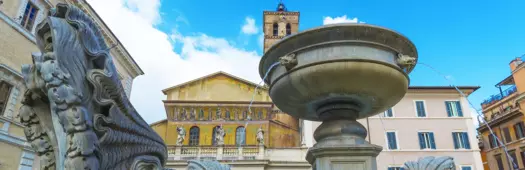


 Walking Tour
 90 mins
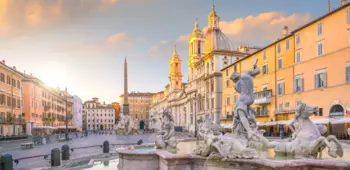
 Walking Tour
120 mins
Walking Tour
120 mins
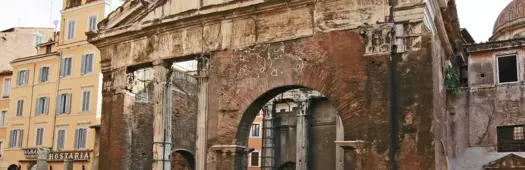
 Walking Tour
60 mins
Walking Tour
60 mins
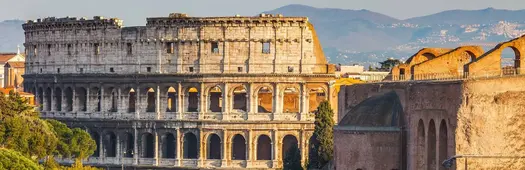

 Indoor Tour
75 mins
Indoor Tour
75 mins
 Walking Tour
60 mins
Walking Tour
60 mins
 Walking Tour
120 mins
Walking Tour
120 mins
 Walking Tour
90 mins
Walking Tour
90 mins
 Walking Tour
75 mins
Walking Tour
75 mins
 Walking Tour
90 mins
Walking Tour
90 mins
Introducing our Rome tours
Caput mundi, the ancient Romans called it: capital of the world. The Eternal City, the city where all roads lead, even if you'll still get hopelessly lost trying to find the Pantheon. Every tourist thinks they can conquer 2,800 years in a day, and the path between the monuments is practically grooved into the cobblestones.
But Romans themselves live elsewhere. In Trastevere, the medieval village beyond the Tiber,
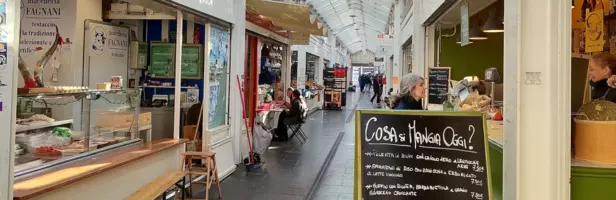
ivy-draped streets feel nothing like the baroque city across the water. In Testaccio, the quinto quarto tradition – cooking the fifth quarter of the animal – still feeds the neighbourhood the way it fed dockworkers at the ancient river port.
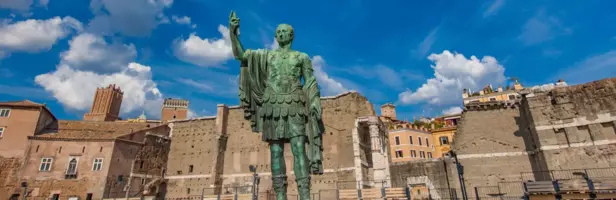
VoiceMap's self-guided audio tours pick up where the grooved path ends – but they also bring depth to the landmarks along it. Walk the Forum with an archaeologist who makes eleven centuries of rubble speak, then find the café where Fellini once sipped espresso on original 1938 mosaic floors. Pause when a piazza earns it. The itinerary can wait.
Put your earbuds in and let la città eterna unfold at your pace.


Save with Rome audio tour passes
How do passes work?

Download the app for free
VoiceMap
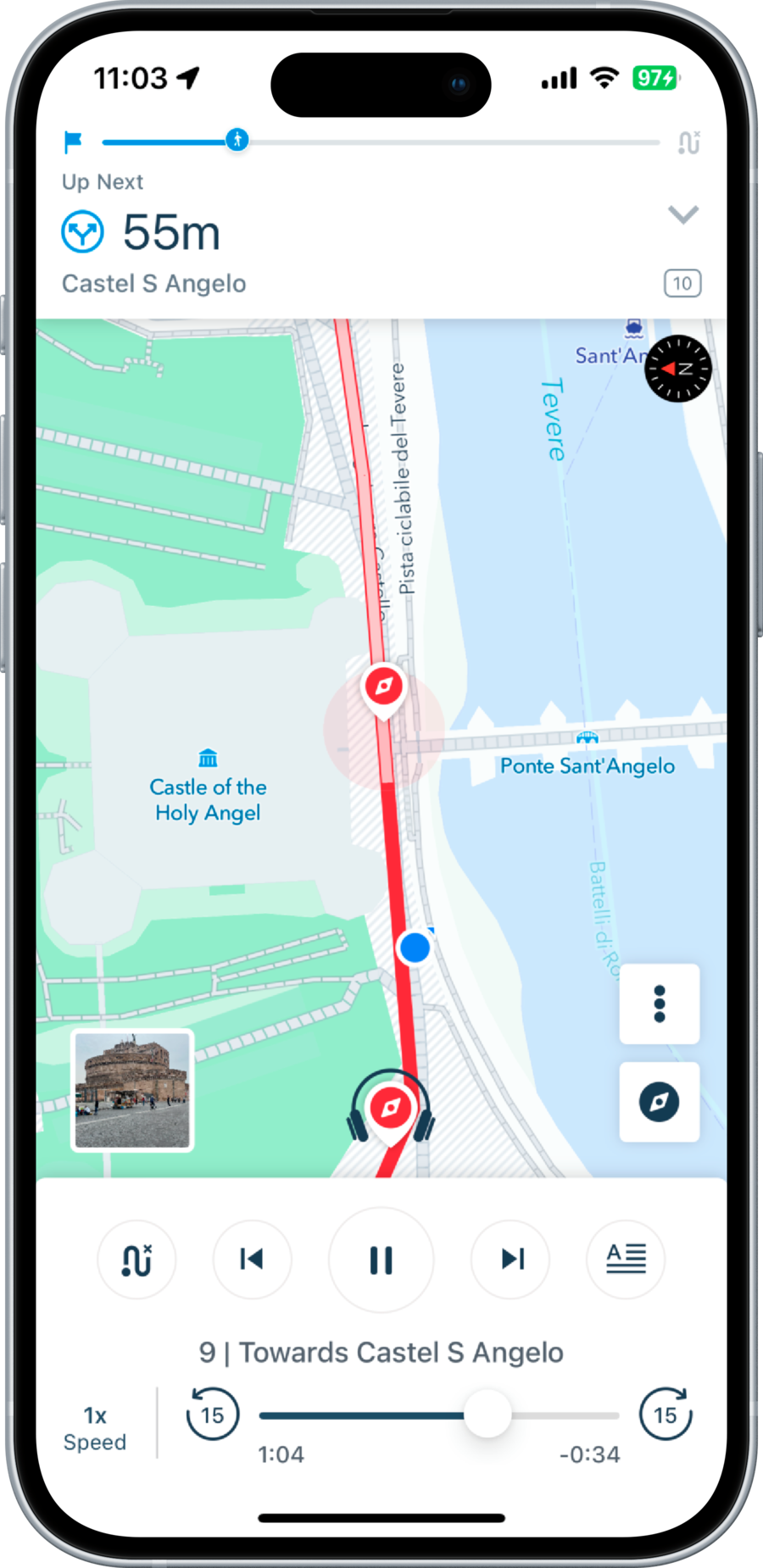
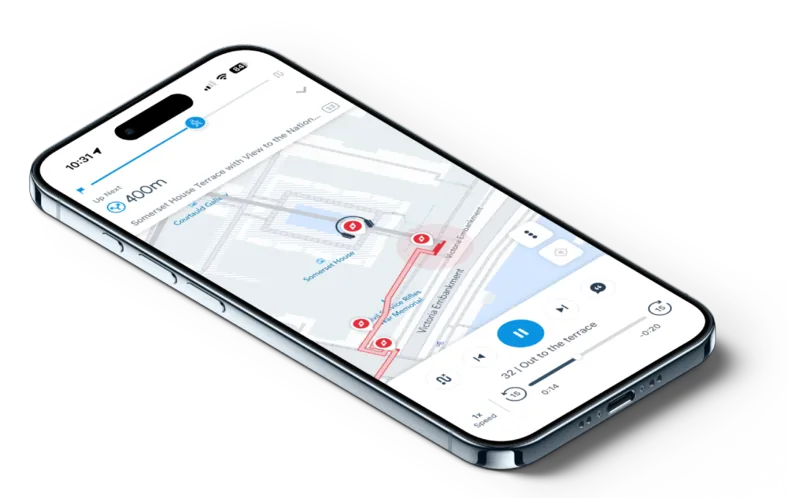
- Download tours to use them offline
- Listen hands-free with GPS playback
- Get turn-by-turn directions


Scan to get app
Download the app for free
VoiceMap




 App of the Day

 Editor’s Choice







Audio guides by local experts






New tours in Rome
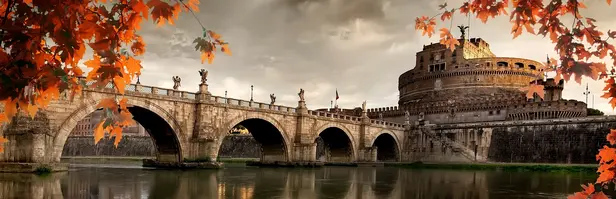
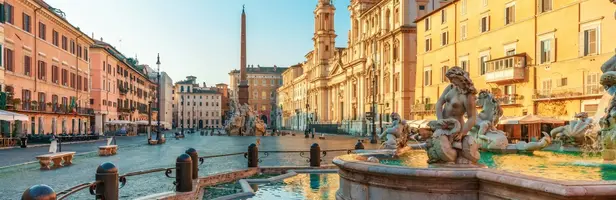
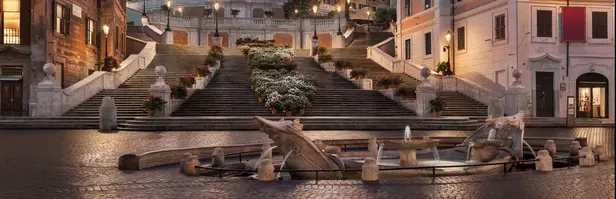
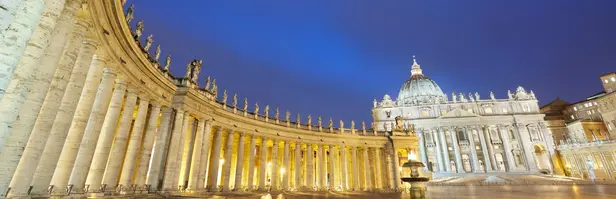
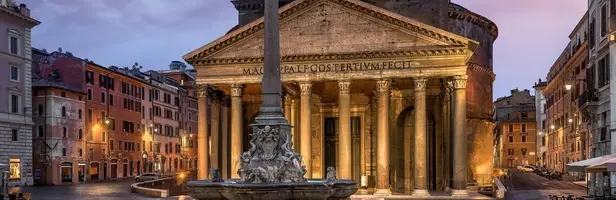

Rome attractions on our audio guides
-
 Roman Forum
Rome
Roman Forum
Rome
 Featured on 3 routes
-
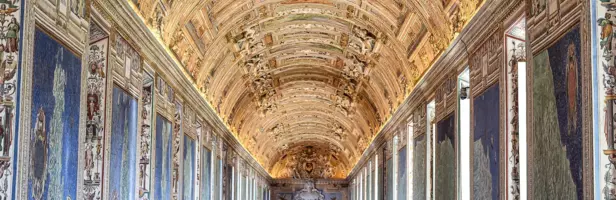
 Vatican Museums
Rome
Featured on 1 route
Vatican Museums
Rome
Featured on 1 route
-
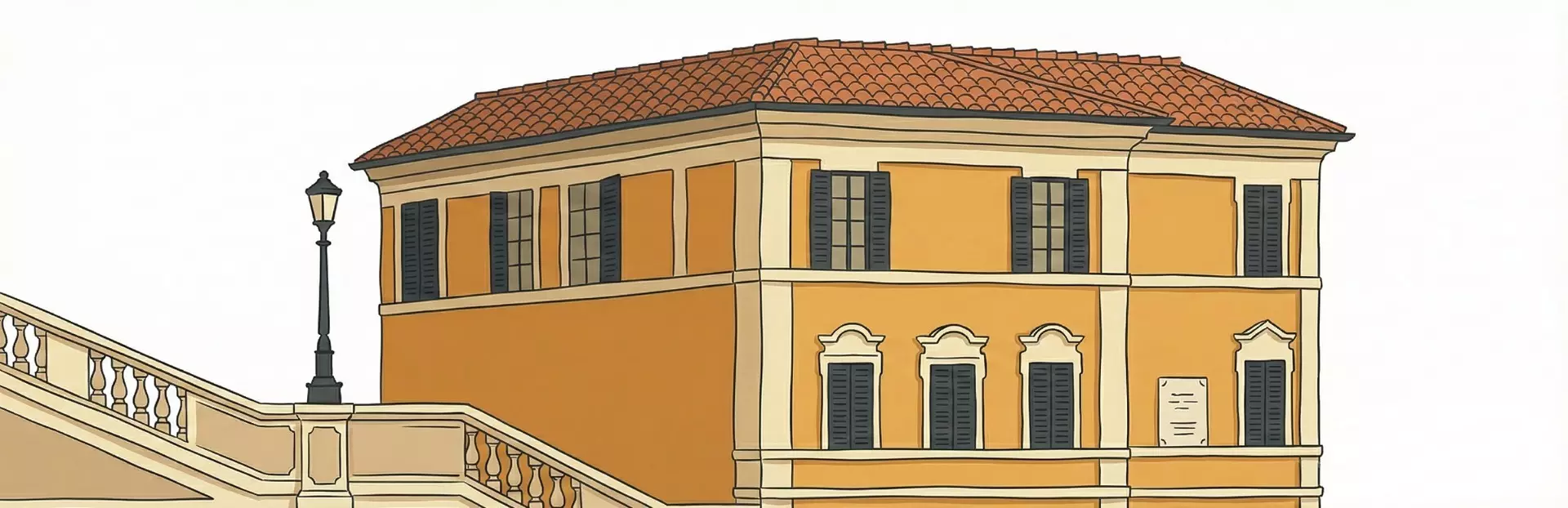 The Keats Shelley House
Rome
Featured on 2 routes
The Keats Shelley House
Rome
Featured on 2 routes
-
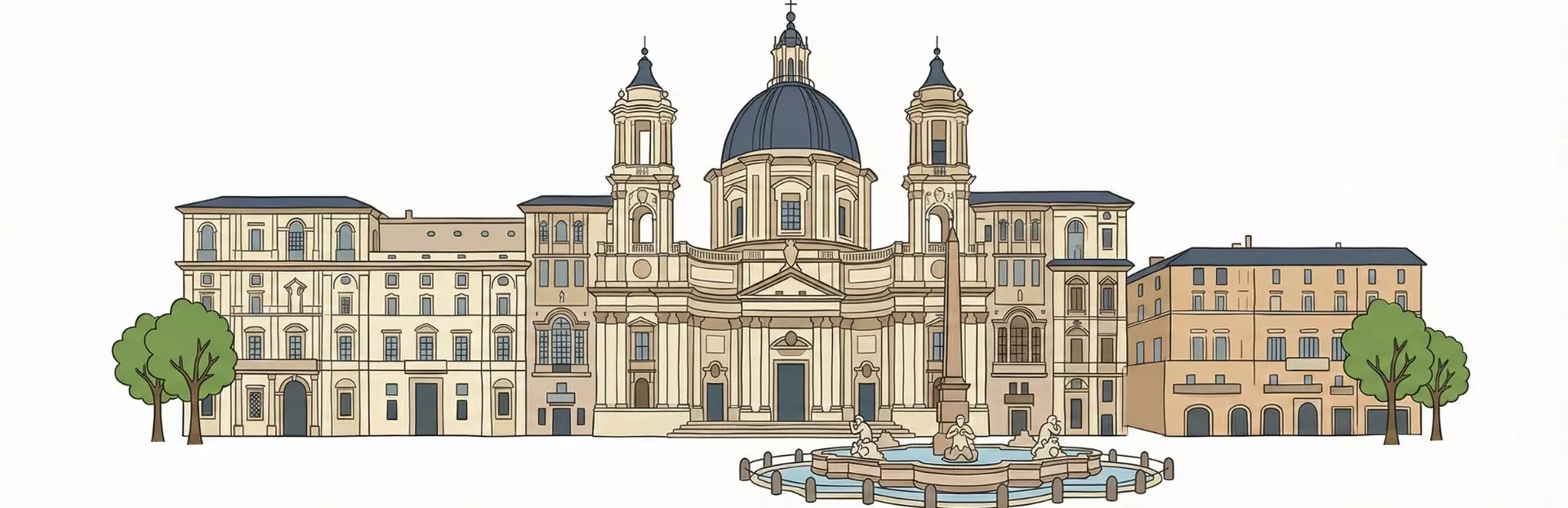 Piazza Navona
Rome
Featured on 3 routes
Piazza Navona
Rome
Featured on 3 routes
-
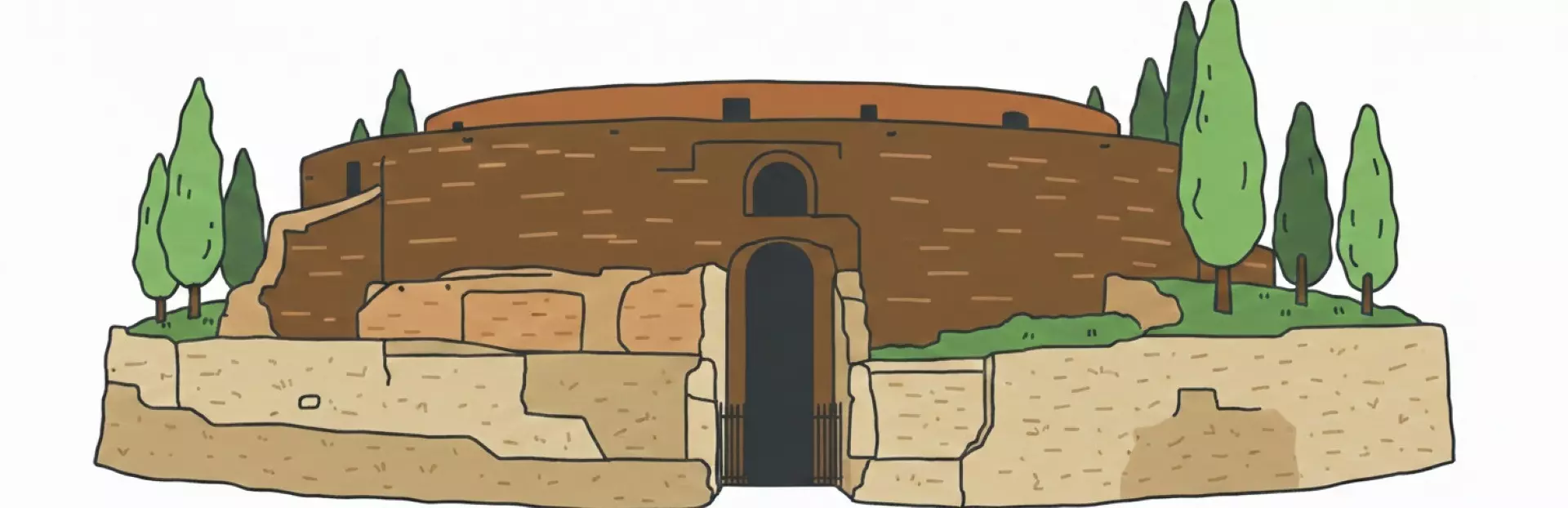 Mausoleum of Augustus
Rome
Featured on 2 routes
Mausoleum of Augustus
Rome
Featured on 2 routes
-
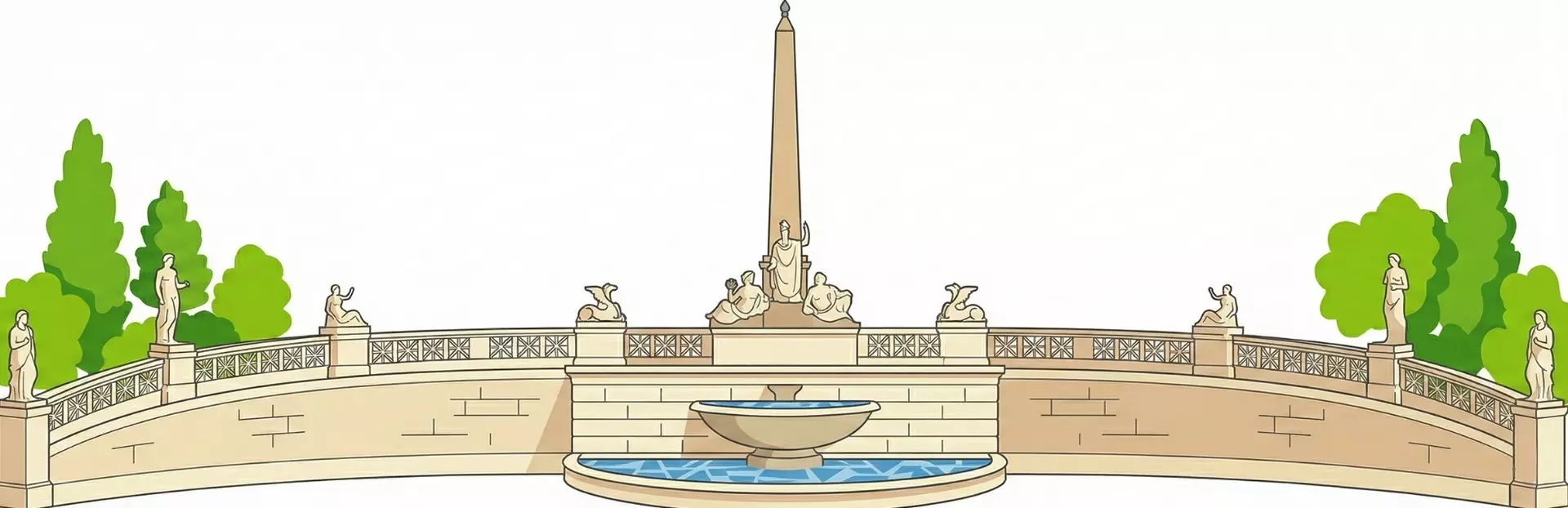 The Terrazza del Pincio
Rome
Featured on 2 routes
The Terrazza del Pincio
Rome
Featured on 2 routes
-
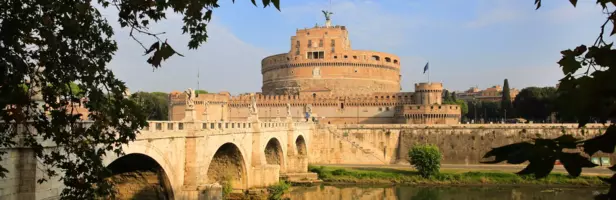
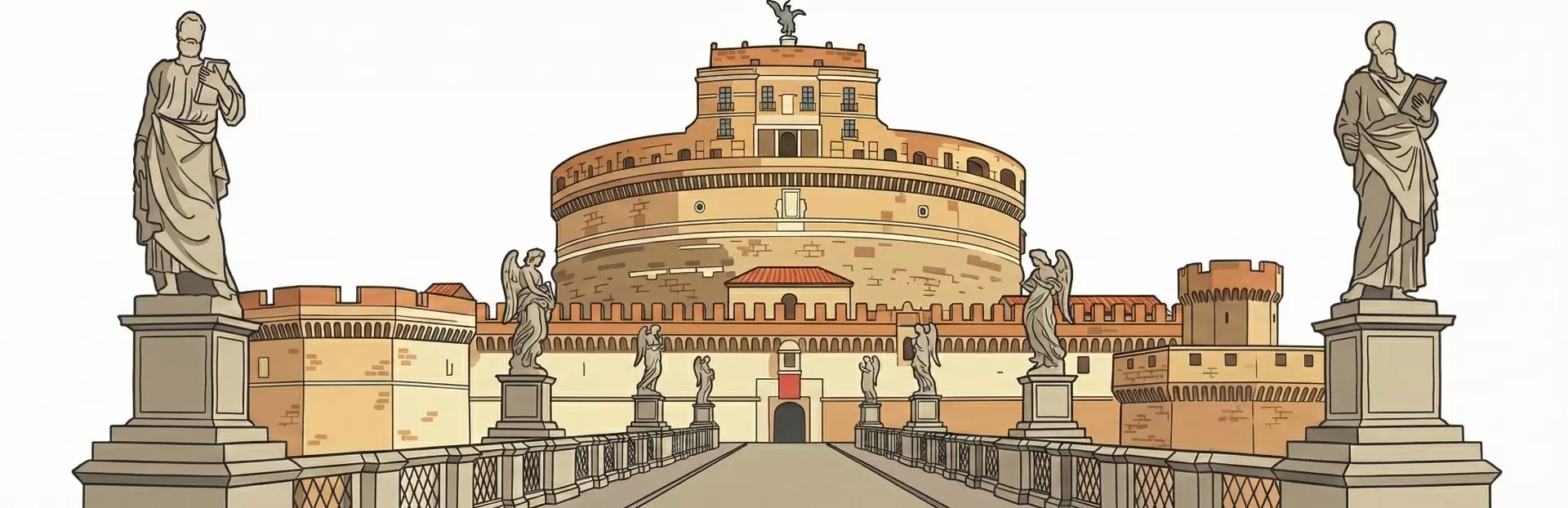 Castel Sant'Angelo
Rome
Featured on 3 routes
Castel Sant'Angelo
Rome
Featured on 3 routes
Self-guided indoor tours in Rome


Best Rome tours for navigation
Tours with turn-by-turn directions that are exceptional easy to follow

How the VoiceMap app works
-
Focus on your surroundings, not the screen
The VoiceMap app uses GPS to play audio automatically, at the right time and place, so you can focus on your surroundings, not the screen.

-
Follow a route with turn-by-turn-directions
VoiceMap tours follow a route from a fixed starting point. That lets us give turn-by-turn directions and use context to tell a better story.

-
Resume playback to go at your own pace
If you'd like to stop for a drink or go into a museum, end your tour then use the Resume feature to pick up exactly where you left off.

-
Listen as many times as you like
You can listen to your tours as often as you like using both the VoiceMap app and website.

-
Take virtual tours anywhere, like a podcast
Select Virtual mode in the VoiceMap app to listen to tours like a podcast - at home or in transit.

-
Buy for less on voicemap.me and sync
Once you've purchased a tour, it's added to your VoiceMap library. To access it in the app, just sign in using the same account.

-
Do tours without paying for data
Tours work offline, so you don't have to pay roaming fees. Just download them over WiFi before you get started.

 5 tour bundle

Nearby destinations



Explore more with VoiceMap
-
Get a group discount
Get 15% to 50% off when you buy for a group

-

-



Frequently Asked Questions


Group tours are a poor fit in Rome when the heat, the crowds, or your schedule make standing still uncomfortable. In summer, temperatures regularly exceed 35°C, and group tours at the Colosseum or Forum mean long stretches in direct sun while a guide addresses the whole group. If you're travelling with young children, the rigid pacing and fixed departure times clash with the reality of nap schedules and meltdowns. And if your plans are fluid – a morning that opened up unexpectedly, or an afternoon between meetings – committing to a time slot booked days earlier rarely works.
Group tours also struggle with Rome's most atmospheric experiences. Wandering the backstreets of Trastevere at your own pace, pausing at a medieval courtyard or ducking into the oldest pharmacy in the city, is fundamentally different from following an umbrella through a crowd.
That said, group tours have real advantages at sites like the Vatican Museums, where operators often have access to different ticket allocations and can secure availability when the general booking system is sold out. A live guide can also answer questions in the moment – if something catches your eye that isn't on the script, you can ask about it. Those are genuine benefits that a pre-recorded tour can't replicate, even one with serious academic depth behind it. The question isn't whether guided tours are good or bad – it's whether the specific situation you're in rewards those live, logistical advantages, or whether you'd rather move at your own pace with expert commentary you can pause and replay.
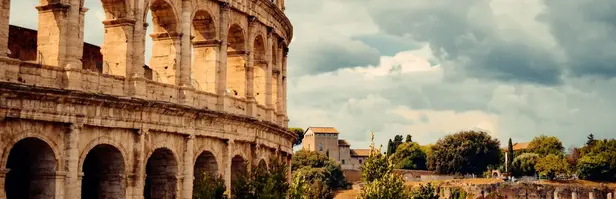
The most important thing is ticketing. The Colosseum uses timed entry, and all tickets must be booked in advance – they're released 30 days before the visit date on the official site and popular slots sell out quickly, especially for underground and arena floor access. A standard adult ticket costs €18 and includes entry to the Roman Forum and Palatine Hill within a 24-hour window. You'll need ID that matches the name on the ticket.
Even with a pre-booked ticket, everyone goes through security screening, which adds 15–30 minutes regardless of how you've booked. Same-day walk-up tickets exist in theory, but in practice they're exhausted by mid-morning during peak season.
What you give up without a guide is live interpretation – the Colosseum's ruins can feel sparse without someone explaining what you're looking at. What you gain is the freedom to move at your own pace and skip what doesn't interest you. If you want context without a group, VoiceMap has several options. Rome's Colosseum with Context ($8.99, by Context Travel) uses VoiceMap's indoor tour player – instead of GPS, you navigate using reference photos and tap I'm here
at each stop, with locations grouped into sections labelled Essential or Optional so you can prioritise what interests you most. There are also indoor audio tours of the Roman Forum and Palatine Hill, and GPS-triggered walking tours covering the broader ancient city. All of them work offline once downloaded.
The Vatican Museums are the worst offender. In peak season, queues stretch along the perimeter wall for two to three hours, and even with timed entry there's often a wait at the security checkpoint. Booking online in advance and arriving for the earliest slot is the most reliable strategy. Late afternoon visits – from around 3pm onwards – also tend to be quieter, as most tour groups have moved through by then.
The Colosseum has improved since introducing mandatory timed entry, but security screening still adds 15–30 minutes regardless of your ticket type. The first slot of the day and late afternoon see the smallest crowds. Midweek visits are noticeably calmer than weekends.
St Peter's Basilica is free to enter but has airport-style security that creates queues, particularly mid-morning. Early morning – before 8am – or late afternoon are the gaps.
One honest note: group tours with skip-the-line access genuinely bypass some of these queues, particularly at the Vatican Museums. If queue avoidance is your top priority on a hot day, that's a real advantage worth paying for. Once you're inside, though, VoiceMap's indoor audio tours of the Vatican Museums, St Peter's Basilica, and the Borghese Gallery are designed for exactly this kind of visit. They use a tap-to-play system with reference photos instead of GPS – you move through the space at your own pace and tap I'm here
when you arrive at each stop. Larger tours like the Vatican Museums group locations into sections labelled Essential or Optional, so if you're running low on time or energy after queuing, you can skip to the parts that interest you most and save the rest for another day.
Tour prices in Rome vary enormously depending on what you're getting. A group walking tour might cost around €50 per person, but you could be with 30 or more other people, with little chance of interacting with the guide. Smaller tours with fewer than 10 people typically cost closer to €100 per person – you get a more personal experience, but the price adds up fast for couples or families. On top of the tour fee, major attractions like the Colosseum charge €18 per person for entry (included in some tour packages, not in others), so it's worth checking exactly what's covered before you book.
Self-guided audio tours are dramatically cheaper. VoiceMap's 23 Rome tours range from $5.99 to $19.99. Each purchase covers one device – couples can share audio from one phone using a splitter or Bluetooth headphones like AirPods, and groups of two or more can use VoiceMap's Buy for a Group option on the website for a volume discount. The more affordable tours ($5.99–$11.99) are created by local writers, journalists, and historians, while the Context Travel series ($19.99) offers in-depth coverage of sites like the Vatican Museums and Borghese Gallery, produced with PhD-level scholars and subject-matter experts. VoiceMap also sells tour passes – bundles of credits that reduce the per-tour price further if you're planning to do several tours across your trip. The tours stay in your library permanently, so you can replay them on a return visit at no extra cost.
For group tours, yes – and further ahead than you might expect. Popular Vatican and Colosseum guided tours sell out days or weeks in advance during peak season (April–October), and even in quieter months the most highly rated operators fill up. If skip-the-line access matters to you, advance booking is essential because those allocations are limited.
Self-guided audio tours require no booking at all. VoiceMap's tours are available on demand – download one over breakfast and start whenever you're ready. This is particularly useful when your plans shift, which happens constantly in Rome. A rainy morning might send you to an indoor tour of St Peter's Basilica or the Borghese Gallery instead of the walking route you'd planned, and you can make that decision in the moment rather than days beforehand.
One thing to note: even without booking a tour, you'll still need advance reservations for the attractions themselves. The Colosseum requires timed entry tickets booked up to 30 days ahead, and the Borghese Gallery has strictly limited two-hour entry windows. The tour gets you context and narrative – but the ticket to walk through the door is a separate matter.
Trastevere is the obvious starting point – a tangle of medieval alleyways, overhanging wood-beamed roofs, and small rounded windows that give the feeling of stepping back several centuries. The streets are narrow and largely car-free, and the neighbourhood's identity as a working-class district turned bohemian hub means you'll pass centuries-old osterie alongside street art and foreign university campuses. Early morning or late evening is best; midday crowds and summer heat make the narrow streets oppressive. VoiceMap's Trastevere tour is narrated by Tiffany Parks, an author and travel writer who has lived in the neighbourhood for over a decade – she covers everything from the Raphael connection at Da Romolo to the rejected Caravaggio at Santa Maria della Scala.
Testaccio is less visited but rewarding for anyone interested in food culture. It's a genuine Roman neighbourhood centred around its covered market, the Pyramid of Cestius, and the hill made entirely of ancient Roman terracotta shards. The terrain is flat, which makes it easier going than the cobblestoned climbs elsewhere. VoiceMap's Testaccio tour is by Luciana Squadrilli, a professional food journalist and critic who has lived in Rome for over 20 years.
The Jewish Ghetto, tucked between the Tiber and the Teatro di Marcello, packs over 2,000 years of history into a few compact blocks. It's one of the most walkable areas in Rome simply because of its density – every street has something to explain.
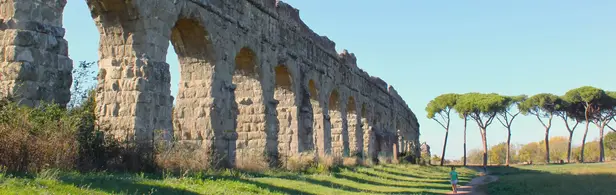
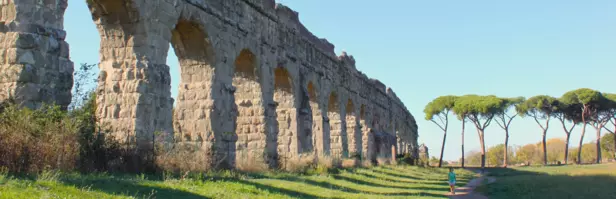
For something unexpected, the Park of the Aqueducts on the city's southern edge offers a completely different Rome – ancient aqueducts striding across open green space, far from the tourist crush.
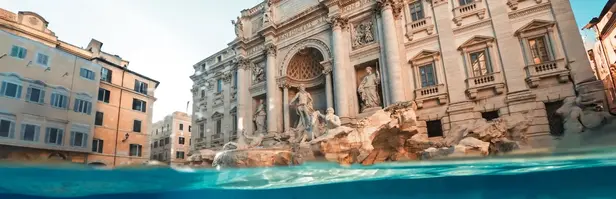
Early morning, without question. The area between Piazza Navona and the Pantheon, which is shoulder-to-shoulder by 11am, is almost empty before 8. The Trevi Fountain at 7am is a different experience entirely – you can hear the water, see the Baroque detail, and take photographs without a wall of selfie sticks in the frame.
In summer (June–September), the midday heat makes walking genuinely unpleasant. Temperatures regularly exceed 35°C and shade is scarce in the open piazzas and along the Forum. Plan to be indoors between noon and 3pm – this is when Romans themselves retreat. The late afternoon and evening are the second-best window. From around 5pm the light softens, the temperature drops, and the passeggiata begins – that uniquely Italian tradition of strolling, people-watching, and stopping for an aperitivo.
In cooler months, midday is perfectly fine and often the most pleasant time to walk. The low winter sun catches the travertine and ochre facades beautifully, and Rome's museums and churches provide natural warming-up stops along the way. If you're exploring with a self-guided audio tour, morning starts are especially rewarding because the commentary plays against a quieter backdrop – you can actually hear the stories without competing with crowd noise.
Rome's metro has just three lines, which limits its usefulness, but Line B connects the Colosseum (Colosseo station) to Termini, and Line A links Termini to the Spanish Steps (Spagna) and the Vatican area (Ottaviano). For those two corridors, it's fast and cheap. Buses cover far more ground but can be confusing – routes are extensive, signage is inconsistent, and traffic often makes journey times unpredictable. Trams are reliable on the routes they serve, particularly the 3 and 19 lines.
Official taxis are white with a meter, and you can hail them at designated ranks or call for one. Uber operates in Rome, though the availability of standard UberX varies – Uber Black (licensed car service) is more reliable but pricier. Free Now and Bolt are also active. For short hops, Lime e-scooters and Dott bikes are scattered across the centre, though riding on cobblestones takes some nerve.
Honestly, though, Rome's most useful transport for visitors is walking. The major sights in the historic centre – the Pantheon, Piazza Navona, Trevi Fountain, Spanish Steps – are all within 20–30 minutes of each other on foot, and the interesting streets between them are half the reason to visit. Save the metro for the Colosseum-to-Vatican commute, and explore the rest at ground level.
Rome is a city built for walking in the sense that the most rewarding experiences happen on foot – but it isn't always built for comfortable walking. The sampietrini – the small cobblestones that pave most of the historic centre – are beautiful and atmospheric, but they're uneven, hard on the ankles, and murder on wheeled luggage and pushchairs. Sturdy, flat-soled shoes make a real difference.
The seven hills are genuinely hilly in places. The climb from the Forum to the Capitoline isn't strenuous, but the Aventine and Janiculum hills involve real ascents. Distances between major areas are deceptively walkable – the Colosseum to St Peter's is about 4km – but the heat, the cobblestones, and the constant sensory stimulation mean you'll tire faster than the map suggests. The city is increasingly pedestrianising its centre, with car-free zones around the Pantheon and Trevi Fountain, and the main piazzas are fully pedestrian spaces.
If you're spending a day exploring on foot with a self-guided audio tour, plan for more breaks than you think you'll need. Rome has over 2,500 public drinking fountains – the nasoni – scattered everywhere, dispensing clean, cold water for free. Look for the little iron spouts. They're one of Rome's most practical and underappreciated features for anyone walking the city.
Rome is generally a safe city to walk around after dark, particularly in the historic centre. Neighbourhoods like Trastevere, the area around Piazza Navona, and the streets between the Pantheon and Campo de' Fiori are lively well into the evening, with restaurants, bars, and locals out for their passeggiata. The presence of people is itself reassuring – Rome's dining culture means most streets in the centre are animated until 11pm or later.
The main concern for visitors isn't violent crime but pickpocketing, which is common at crowded tourist sites, on public transport (especially metro Line A and buses to the Vatican), and in areas where large groups cluster. Keep valuables close and be aware of your surroundings in dense crowds – this is standard advice for any major European city, but Rome's tourist density makes it particularly relevant.
The area immediately around Termini station can feel less comfortable late at night, and some of the outlying neighbourhoods south and east of the centre are quieter and less well-lit than the tourist areas. As with any unfamiliar city, sticking to streets with other people and trusting your instincts is reasonable practice.
Rome is an excellent city for solo travellers, largely because its culture already revolves around walking, sitting in piazzas, and eating – all things that work perfectly well alone. The café and aperitivo culture means there's always somewhere to sit and watch the city go by without feeling conspicuous, and the Italian habit of eating at the bar rather than taking a table makes solo dining feel natural rather than awkward.
Exploring Rome independently also means you can follow your own curiosity. If the backstreets between Piazza Navona and the Pantheon catch your attention, you can spend an hour there instead of being herded past them. Self-guided audio tours are particularly well-suited to solo travel because you get the depth and direction of a guided experience without joining a group – you're just someone walking through a city with headphones on, indistinguishable from a local. VoiceMap's Trastevere tour, narrated by Tiffany Parks – an author and travel writer who has lived in the neighbourhood for over a decade – is a good fit for solo visitors. You're exploring medieval alleyways and centuries-old osterie with a knowledgeable friend in your ear, not following a guide's umbrella through a crowd.
For solo female travellers specifically, Rome is considered one of the safer major European cities – it ranks well on the Economist's Safe Cities Index, above New York, Dubai, and San Francisco. The main concern is pickpocketing in crowded tourist areas, not personal safety. Trastevere, Monti, and the streets around the Pantheon all feel lively and well-populated well into the evening. The area around Termini station is the one neighbourhood most solo travellers prefer to avoid late at night.
The train from Civitavecchia to central Rome takes about an hour on a regional service (under €10 each way) or 40–50 minutes on a faster intercity train. Trains run frequently, with the San Pietro station a 15-minute walk from the Vatican and Ostiense connecting to the metro for the Colosseum. The key constraint is time – after accounting for port logistics and the return journey, most cruise passengers have five to six usable hours in Rome.
With that window, the temptation is to rush between the Colosseum and the Vatican, but you'll spend most of your time in transit and queues rather than actually experiencing anything. A better approach is to pick one area and explore it properly. The historic centre between the Spanish Steps and Piazza Navona is compact, walkable, and dense with landmarks – the Trevi Fountain, the Pantheon, and centuries of layered history in between. VoiceMap's Spanish Steps to Piazza Navona tour covers exactly this corridor, and it works offline once downloaded, so you don't need to worry about mobile data on a shore day.
If Rome feels too ambitious for a short stop, Civitavecchia itself is worth exploring. VoiceMap has a tour of the port city created by Mary Jane Cryan, who has lived in the area for 25 years and designed it specifically for cruise passengers – it covers Forte Michelangelo, the archaeological museum, and 2,000 years of port history in a morning-sized walk. It's a lower-stress option that still gives you a genuine Italian experience without the anxiety of watching the clock for your return train.
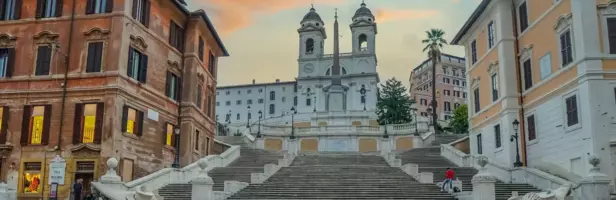
Start at the Spanish Steps, where the literary history is concentrated. The Keats-Shelley House at the foot of the steps is a small museum dedicated to the Romantic poets – Keats died here in 1821, at the age of 25, in the room overlooking the Piazza di Spagna. Babington's Tea Room, opened in 1893, sits nearby and has been serving English-speaking writers and travellers for over a century. A short walk away, the Antico Caffè Greco on Via Condotti has hosted Goethe, Byron, Keats, and Hans Christian Andersen, among others.
The literary trail extends further. Goethe's former residence near Via del Corso is now a museum. The Pincio terrace above Piazza del Popolo – where Henry James and Nathaniel Hawthorne walked – offers views that have been inspiring writers since the Grand Tour era. And in Testaccio, the Non-Catholic Cemetery holds the graves of both Keats and Shelley in one of the most peaceful corners of the city.
VoiceMap's Rome for Readers tour, created by Tiffany Parks – an author and travel writer who moved to Rome after training as an opera singer and has lived there for over a decade – connects these sites into a narrative walking route from the Spanish Steps through the literary haunts around Piazza del Popolo, following the paths that the Brownings, Ibsen, Gogol, and Lord Byron walked. It's designed for people who want the stories behind the plaques, not just the plaques themselves.
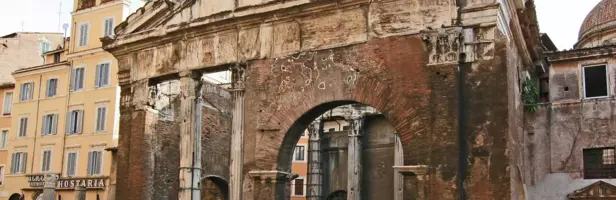
The Jewish Ghetto is the essential starting point. Rome's Jewish community is the oldest in Europe – over 2,000 years of continuous presence, predating Christianity itself. The Ghetto, established by papal decree in 1555, confined Roman Jews to a few blocks between the Tiber and the Teatro di Marcello for more than 300 years. Today it's a compact, walkable neighbourhood centred around the Great Synagogue, the Portico d'Ottavia, and bakeries like Boccione that still make traditional Roman Jewish pastries.
What makes this area distinctive is the specificity of Roman Jewish culture – the names, the cuisine, the dialect, the traditions – which developed in isolation and is quite different from the Ashkenazi or Sephardic traditions most visitors know. VoiceMap has two tours of the Ghetto. One is by Giancarlo Buonomo, a journalist based in Rome who is half-Italian, half-Ashkenazi Jewish – his tour is particularly personal, exploring what it means to be Jewish in Rome today, not just what happened centuries ago. The other, by Context Travel (founded in Rome in 2003 and working with PhD-level scholars), takes a broader historical perspective.
For those tracing broader Italian ancestry, the neighbourhood around Testaccio and the older parts of Trastevere – historically working-class areas where many Italian emigrant families originated – offer a texture and a sense of daily life that the monumental centre doesn't. VoiceMap's Testaccio tour, by Luciana Squadrilli – a professional food journalist and critic who has lived in Rome for over 20 years – follows the thread of Roman food tradition through the neighbourhood's market, restaurants, and streets. Heritage travel is often about feeling something rather than seeing something, and those quieter streets tend to deliver that more effectively than the tourist landmarks.