







ATTRACTION
Rembrandt House Museum,
Amsterdam

About
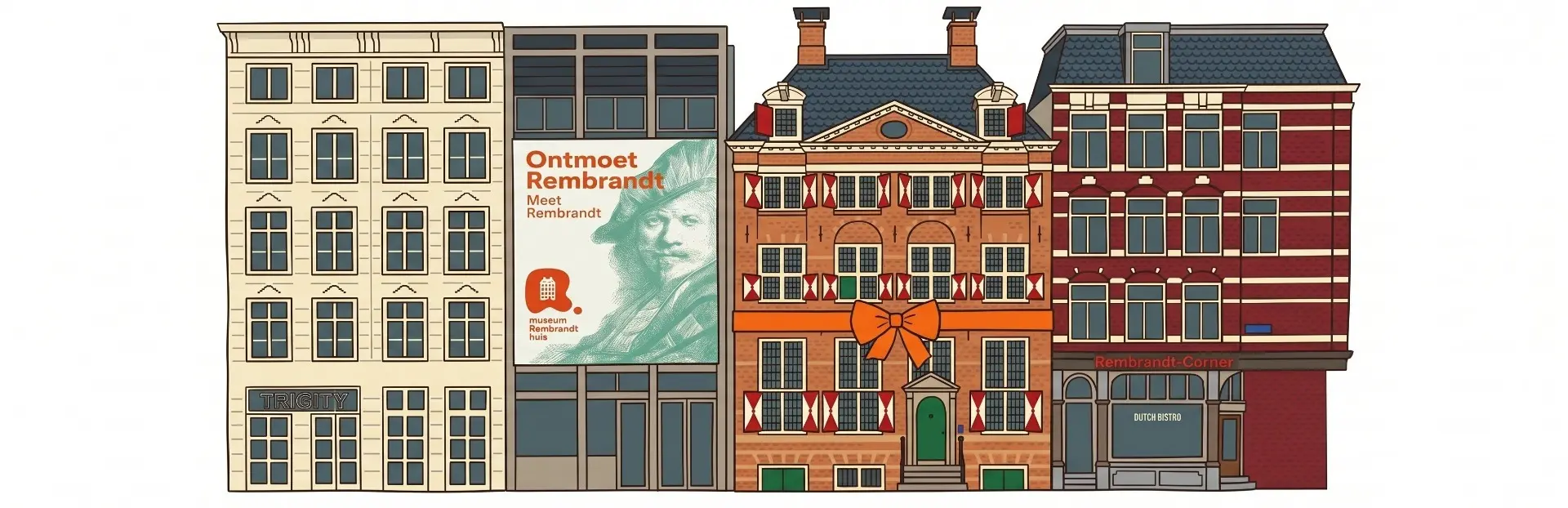
Rembrandt van Rijn bought the house on Jodenbreestraat in 1639, at the peak of his fame. The ground floor was his art dealership, the middle floor his studio, and the top floor where he trained pupils. It was here that he completed The Night Watch, the monumental group portrait of Amsterdam's most powerful men.
Three years later, his wife, Saskia, died of tuberculosis, aged twenty-nine. Scandal followed, then bankruptcy. By 1658, he'd sold everything, house included, and moved to smaller rooms near the Westerkerk. He died there in 1669, penniless.
The house reopened as a museum in 1906, on what would have been his 300th birthday, restored using a bankruptcy inventory that listed every object inside. VoiceMap's self-guided audio tours trace Rembrandt's rise and ruin through the streets of the old Jewish quarter, connecting the house to the guild halls, anatomy theatres and canal-side commissions that shaped his career.
Three years later, his wife, Saskia, died of tuberculosis, aged twenty-nine. Scandal followed, then bankruptcy. By 1658, he'd sold everything, house included, and moved to smaller rooms near the Westerkerk. He died there in 1669, penniless.
The house reopened as a museum in 1906, on what would have been his 300th birthday, restored using a bankruptcy inventory that listed every object inside. VoiceMap's self-guided audio tours trace Rembrandt's rise and ruin through the streets of the old Jewish quarter, connecting the house to the guild halls, anatomy theatres and canal-side commissions that shaped his career.

Tours featuring Rembrandt House Museum (2)


Architecture
Scenic Routes
Local Legends
Relive the rise, fall, and revitalisation of the medieval port city’s Golden Age

 Walking Tour
|
 90 mins

Architecture
Local Legends
Fine Art
Connect with the liberal mindset that shaped artistic life here in the 1600s
Walking Tour
|
75 mins
Download the app for free
VoiceMap
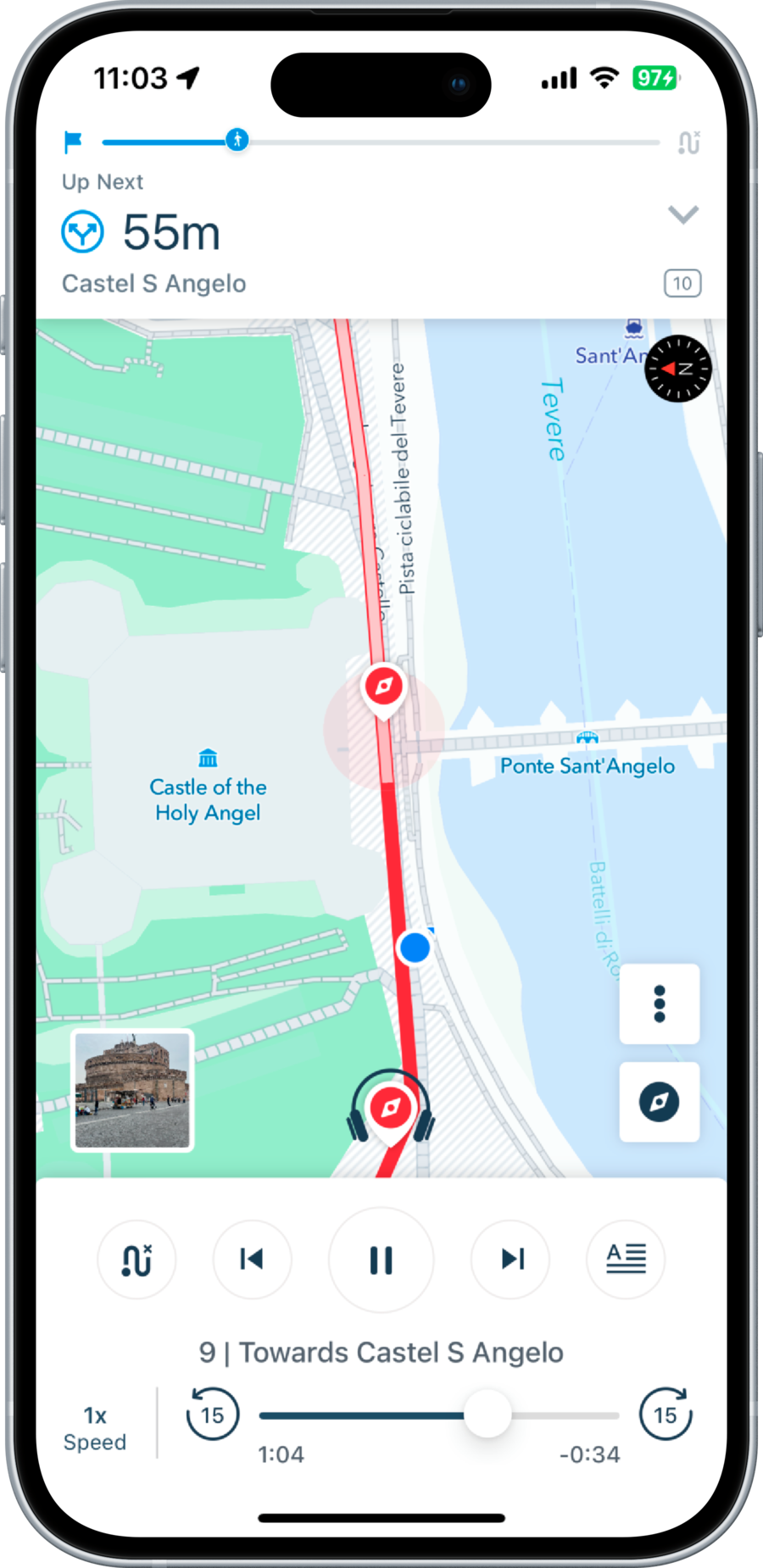
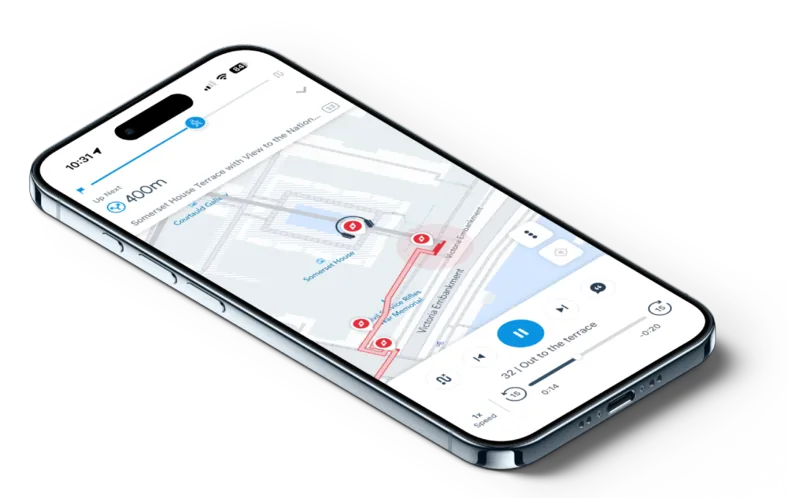
- Download tours to use them offline
- Listen hands-free with GPS playback
- Get turn-by-turn directions


Scan to get app
Download the app for free
VoiceMap




 App of the Day

 Editor’s Choice







Itchy feet? Us too
VoiceMap’s newsletter scratches that itch and stimulates your senses,
every fortnight. Curiosity is the only currency you need to subscribe.

Exploring is easier with a VoiceMap account
To purchase tours, add them to a wishlist, or access them with the VoiceMap app, please sign in or create a VoiceMap account


Exploring is easier with a VoiceMap account
To purchase tours, add them to a wishlist, or access them with the VoiceMap app, please sign in or create a VoiceMap account