







ATTRACTION
Royal Palace Amsterdam,
Amsterdam

About
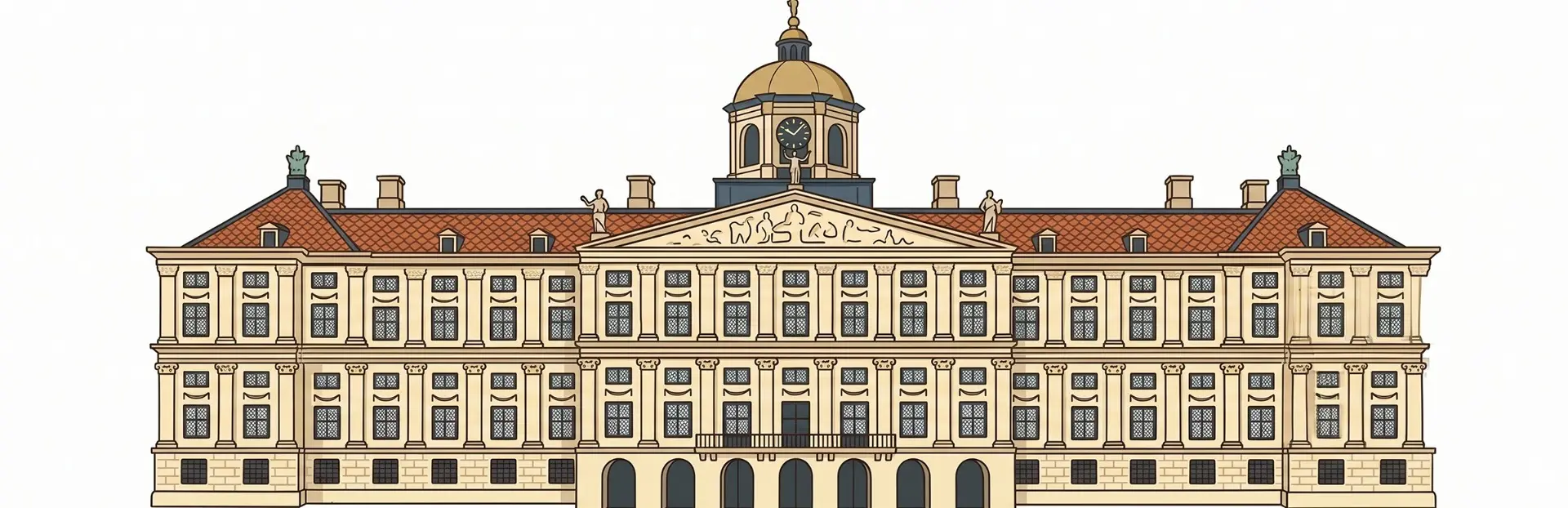
The Royal Palace on Dam Square was never meant to be a palace. Completed in 1665, it was Amsterdam's Town Hall, and at the time of its completion it was the largest secular building in the world. The city's Golden Age merchants weren't being modest: the entire structure, from its tympanum crowded with sea gods and city maidens to the weather vane on top of the dome, was designed to announce that Amsterdam had become the new Rome.
Then Napoleon arrived. In 1808, his brother Louis took over the building as a royal residence, and what the citizens had built as a monument to their own democratic power became a palace in the conventional sense. The Dutch royal family still uses it today for official occasions.
VoiceMap's tours use the palace to trace Amsterdam's astonishing rise: from a dam in a minor river to the economic capital of the world, with the building's rooftop statues, marble mosaics and Golden Age symbolism serving as the evidence.
Then Napoleon arrived. In 1808, his brother Louis took over the building as a royal residence, and what the citizens had built as a monument to their own democratic power became a palace in the conventional sense. The Dutch royal family still uses it today for official occasions.
VoiceMap's tours use the palace to trace Amsterdam's astonishing rise: from a dam in a minor river to the economic capital of the world, with the building's rooftop statues, marble mosaics and Golden Age symbolism serving as the evidence.

Tours featuring Royal Palace Amsterdam (3)

Architecture
Local Legends
Fine Art
Connect with the liberal mindset that shaped artistic life here in the 1600s

 Walking Tour
|
 75 mins
Fine Art
Neighbourhoods
Scenic Routes
Follow Lola and Professor through canal mysteries and stroopwafel science
 Walking Tour
|
45 mins
Scenic Routes
Top Sights
Colonial History
Walk through eight centuries of history and discover the city's soul
 Walking Tour
|
90 mins
Download the app for free
VoiceMap
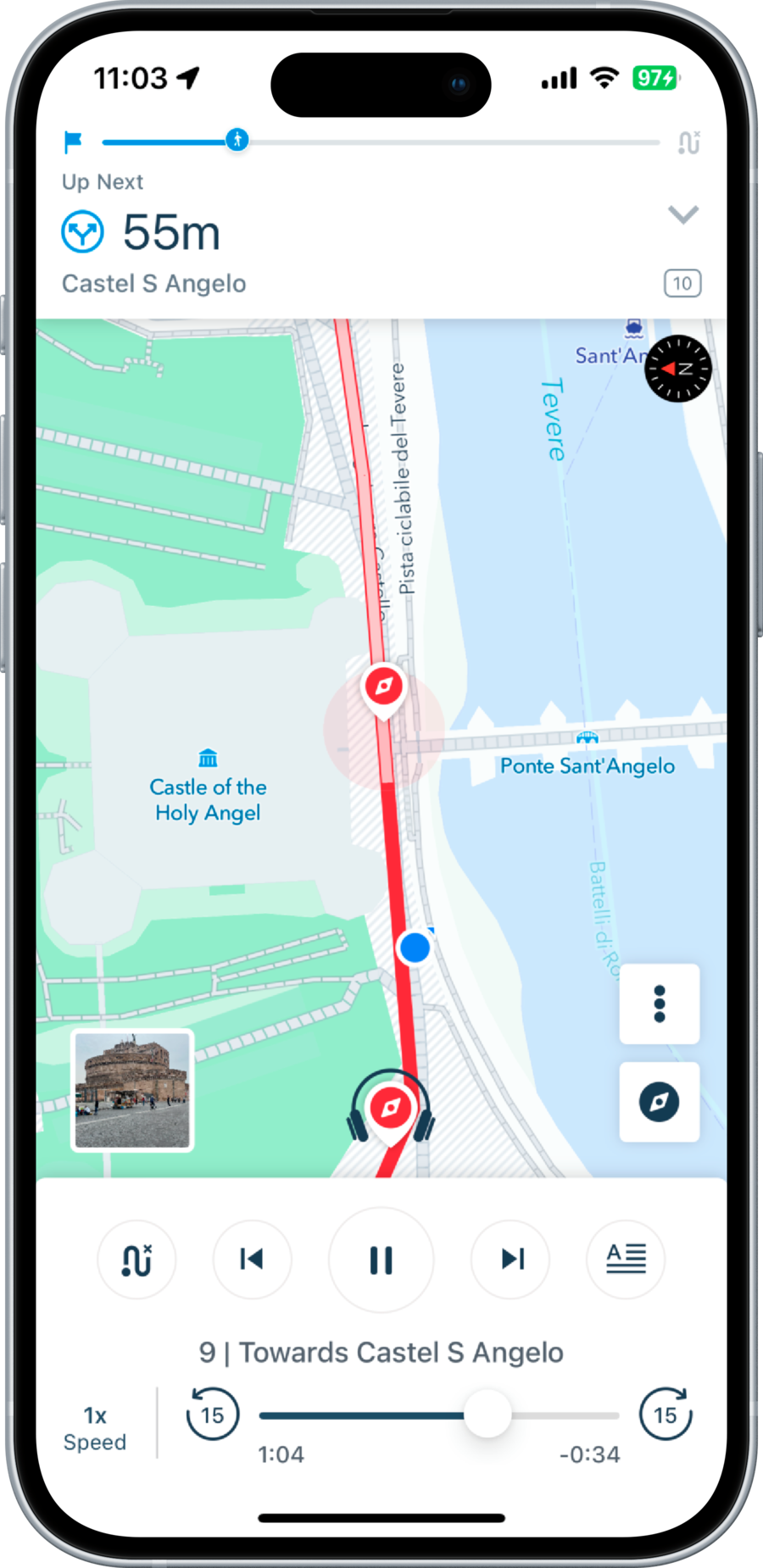
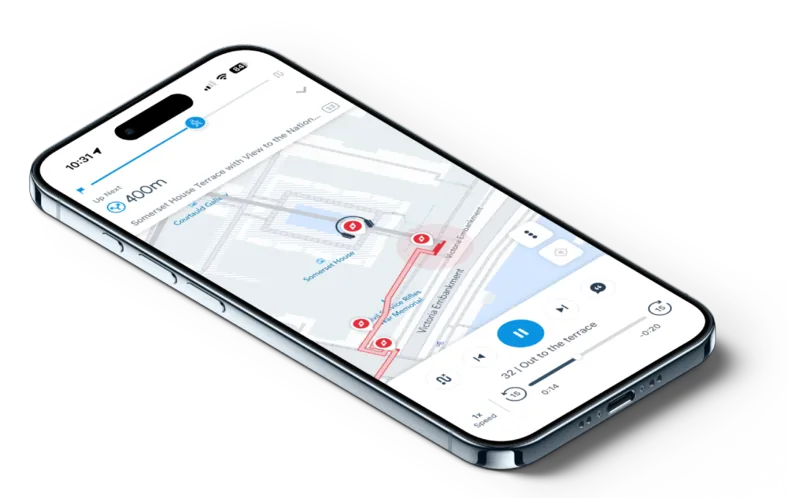
- Download tours to use them offline
- Listen hands-free with GPS playback
- Get turn-by-turn directions


Scan to get app
Download the app for free
VoiceMap




 App of the Day

 Editor’s Choice






Itchy feet? Us too
VoiceMap’s newsletter scratches that itch and stimulates your senses,
every fortnight. Curiosity is the only currency you need to subscribe.

Exploring is easier with a VoiceMap account
To purchase tours, add them to a wishlist, or access them with the VoiceMap app, please sign in or create a VoiceMap account


Exploring is easier with a VoiceMap account
To purchase tours, add them to a wishlist, or access them with the VoiceMap app, please sign in or create a VoiceMap account