







ATTRACTION
National Maritime Museum,
Amsterdam

About
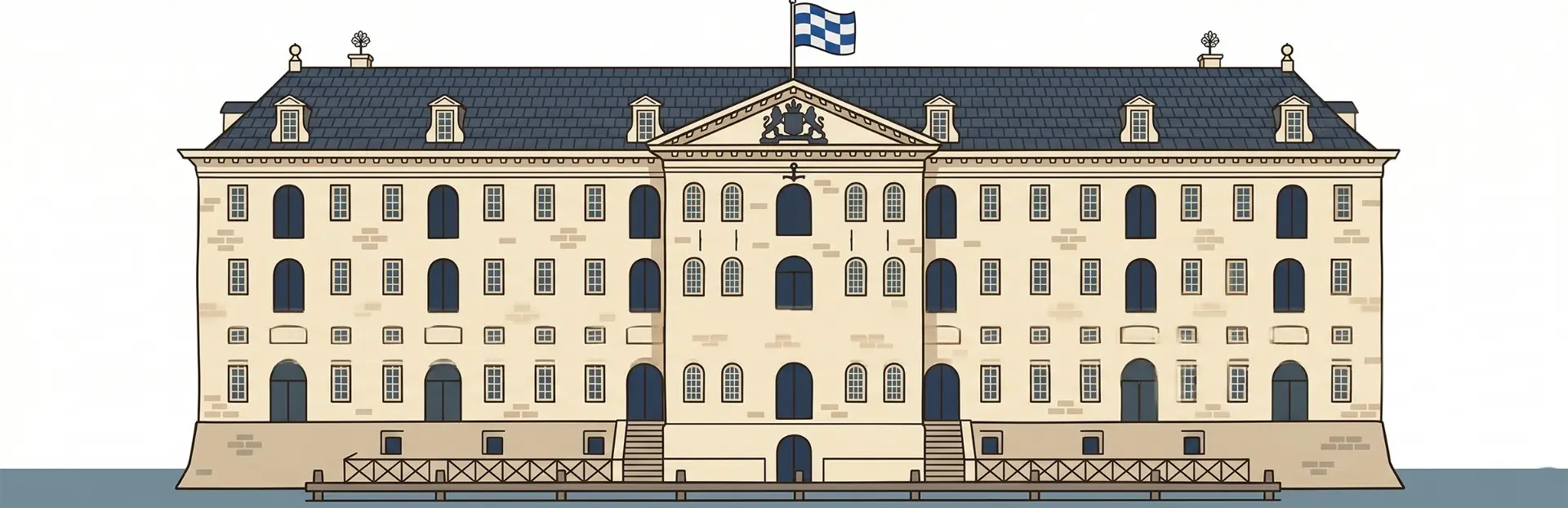
Het Scheepvaartmuseum, Amsterdam's National Maritime Museum, occupies a building that was itself a weapon of war. Constructed in 1656 as the Admiralty of Amsterdam's central warehouse, it was the direct response to the Dutch losing the first Anglo-Dutch War: the Netherlands packed it with spare masts, sails and cannons enough to convert a hundred merchant ships into a war fleet, almost overnight.
That strategy paid off spectacularly. When England declared war again in 1665, Dutch warships sailed up the Thames, raided Medway's dockyards and towed away the English flagship, the Royal Charles, as a trophy. Its ornate stern piece still sits in the Rijksmuseum.
Moored alongside the museum today is a full-scale replica of the Amsterdam, a 1749 East Indiaman, preserved in remarkable detail because the original sank on its maiden voyage.
VoiceMap's self-guided audio tours use the museum to trace Amsterdam's naval ambitions across the 17th-century harbour, connecting the building's baroque rooftop orbs and compass-flag details to the wider story of a trading empire that briefly outmuscled England at sea.
That strategy paid off spectacularly. When England declared war again in 1665, Dutch warships sailed up the Thames, raided Medway's dockyards and towed away the English flagship, the Royal Charles, as a trophy. Its ornate stern piece still sits in the Rijksmuseum.
Moored alongside the museum today is a full-scale replica of the Amsterdam, a 1749 East Indiaman, preserved in remarkable detail because the original sank on its maiden voyage.
VoiceMap's self-guided audio tours use the museum to trace Amsterdam's naval ambitions across the 17th-century harbour, connecting the building's baroque rooftop orbs and compass-flag details to the wider story of a trading empire that briefly outmuscled England at sea.

Tours featuring National Maritime Museum (2)

Architecture
Scenic Routes
Local Legends
Relive the rise, fall, and revitalisation of the medieval port city’s Golden Age

 Walking Tour
|
 90 mins

Business And Commerce
Universities
Modern History
Orbit Amsterdam’s lesser-known space secrets via seamless public transport

 Train Tour
|
150 mins
Download the app for free
VoiceMap
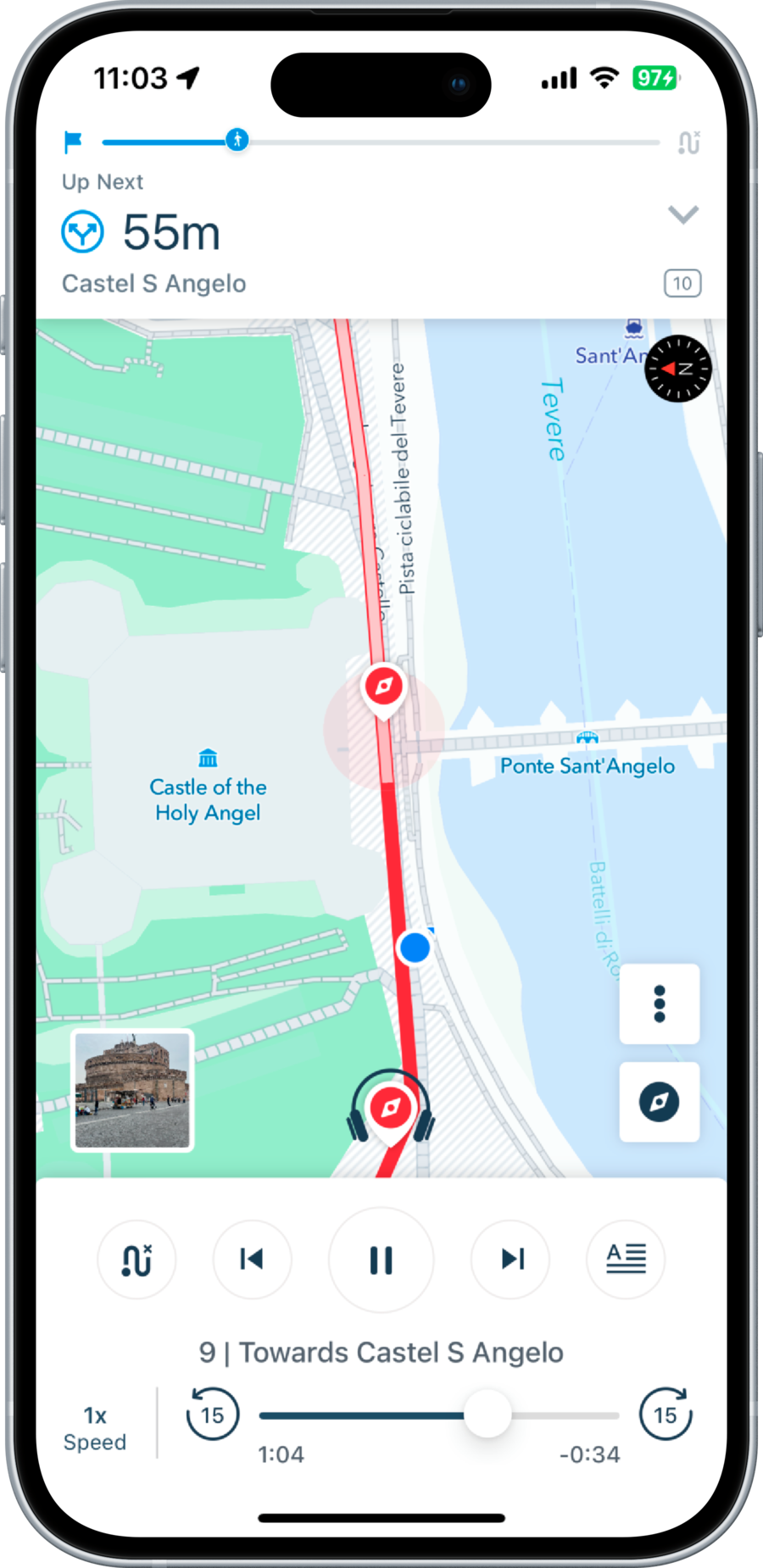
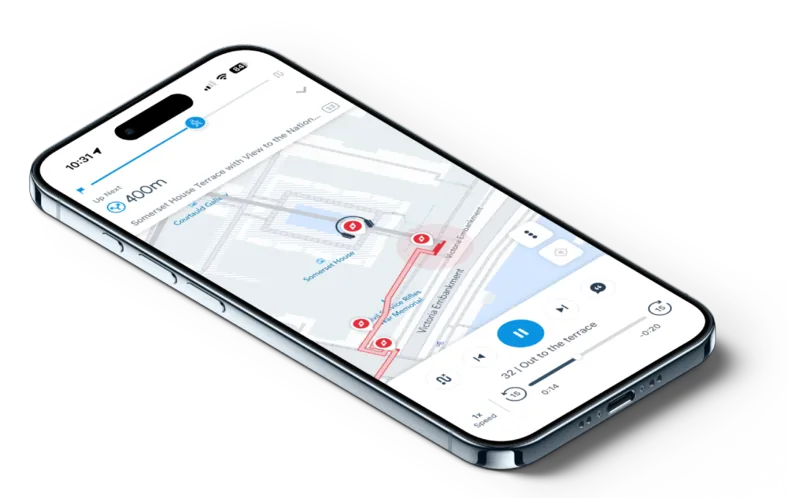
- Download tours to use them offline
- Listen hands-free with GPS playback
- Get turn-by-turn directions


Scan to get app
Download the app for free
VoiceMap




 App of the Day

 Editor’s Choice






Itchy feet? Us too
VoiceMap’s newsletter scratches that itch and stimulates your senses,
every fortnight. Curiosity is the only currency you need to subscribe.

Exploring is easier with a VoiceMap account
To purchase tours, add them to a wishlist, or access them with the VoiceMap app, please sign in or create a VoiceMap account


Exploring is easier with a VoiceMap account
To purchase tours, add them to a wishlist, or access them with the VoiceMap app, please sign in or create a VoiceMap account