







ATTRACTION
The Colosseum,
Rome

About
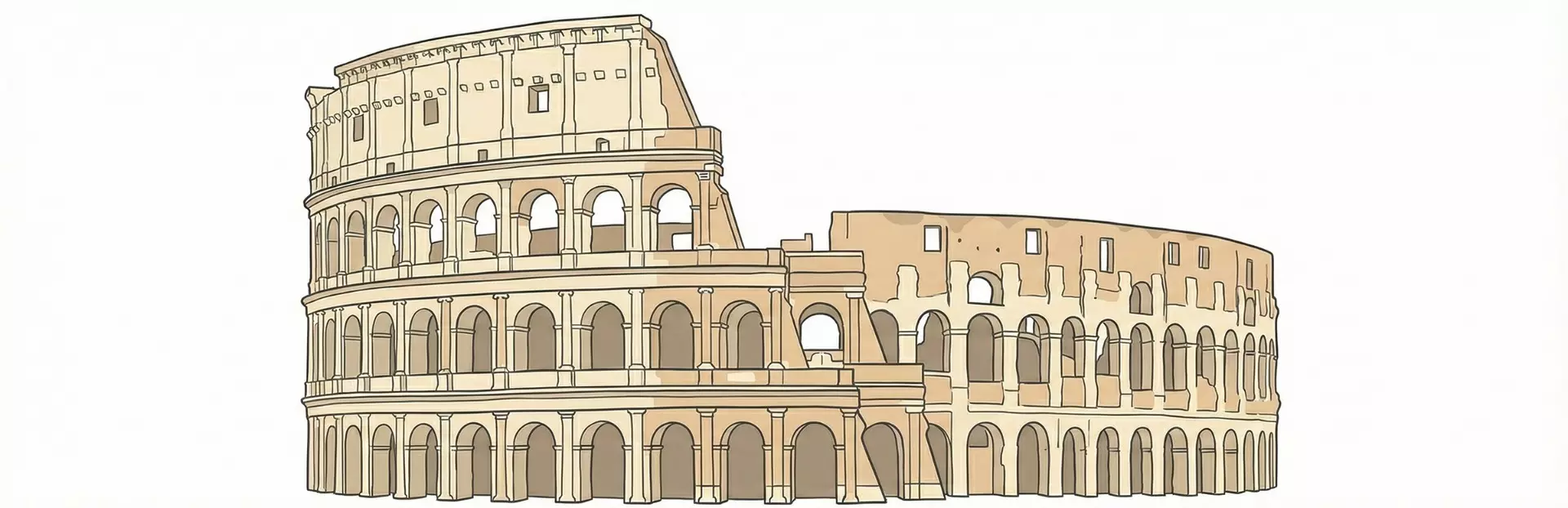
The Colosseum was built over Nero's artificial lake, a bit of architectural revenge that turned his private pleasure garden into a public arena. When Emperor Vespasian ordered its construction in 72 CE, his engineers discovered they could use the drained lake basin as a foundation, cutting construction time in half.
At its height, this four-storey amphitheatre could flood for naval battles, though most days it hosted less aquatic entertainment. Underground, a complex system of elevators and trapdoors could hoist wild animals, gladiators, and scenery through the arena floor. After Rome fell, the Colosseum became a medieval fortress for the Frangipani, a noble family, then a source of building materials as locals carted off its limestone for their own construction projects.
VoiceMap's self-guided audio tours trace the Colosseum's evolution from gladiatorial arena to medieval fortress, connecting its architecture to Rome's political theatre and explaining how a monument built for blood sport became Christianity's most unlikely shrine.
At its height, this four-storey amphitheatre could flood for naval battles, though most days it hosted less aquatic entertainment. Underground, a complex system of elevators and trapdoors could hoist wild animals, gladiators, and scenery through the arena floor. After Rome fell, the Colosseum became a medieval fortress for the Frangipani, a noble family, then a source of building materials as locals carted off its limestone for their own construction projects.
VoiceMap's self-guided audio tours trace the Colosseum's evolution from gladiatorial arena to medieval fortress, connecting its architecture to Rome's political theatre and explaining how a monument built for blood sport became Christianity's most unlikely shrine.

Tours featuring the Colosseum (2)


Literature
Colonial History
Ancient History
Parade down Italy’s political paths from the Arc of Constantine to Piazza Navona

 Walking Tour
|
 120 mins
Neighbourhoods
Scenic Routes
Local Legends
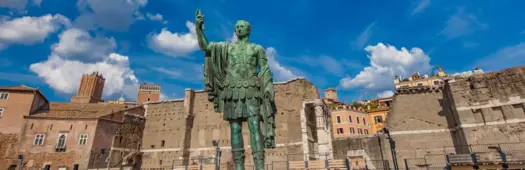
Find traces of the palace fit for an emperor, but built at the expense of a city
 Walking Tour
|
75 mins
Download the app for free
VoiceMap
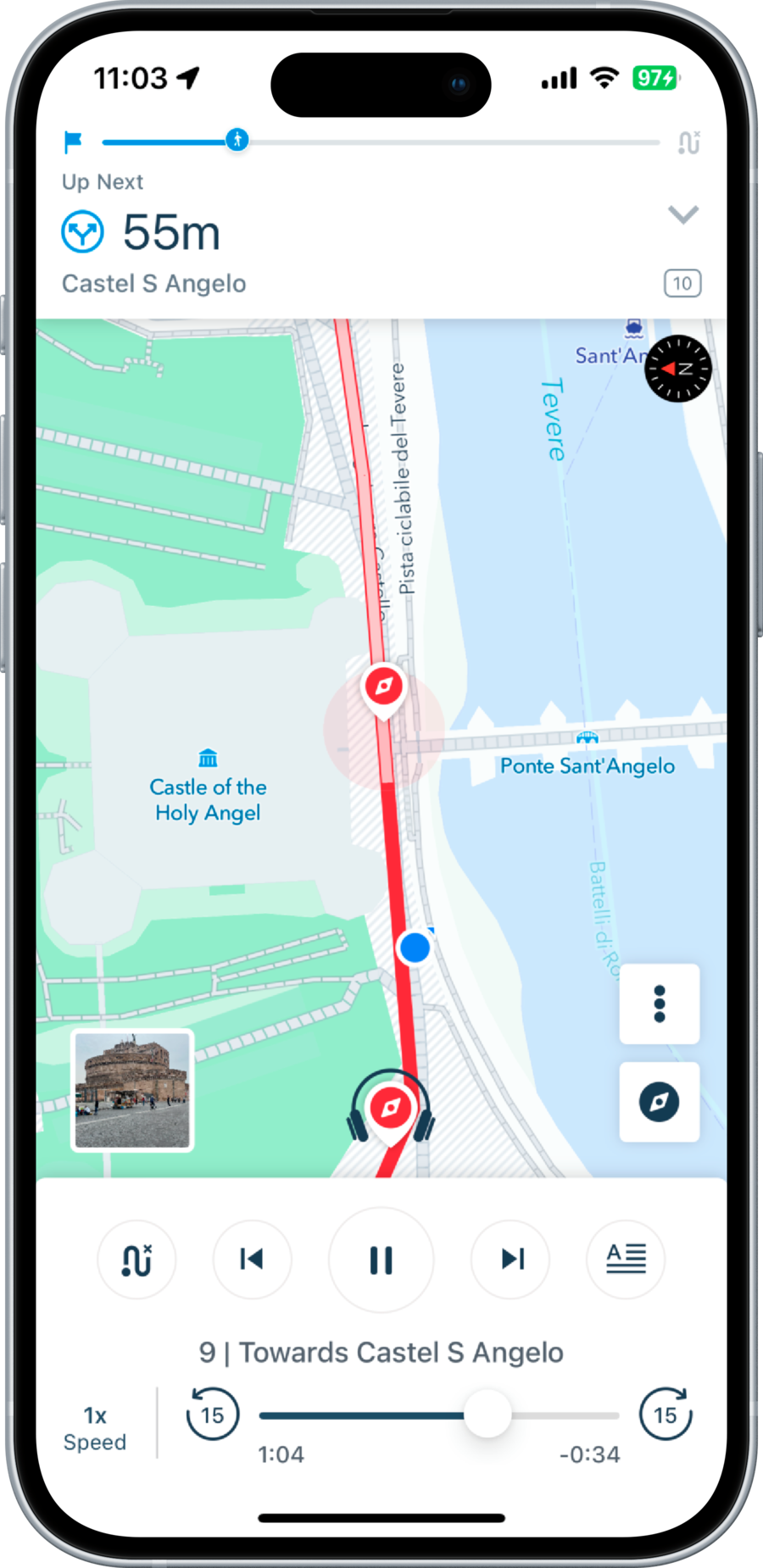
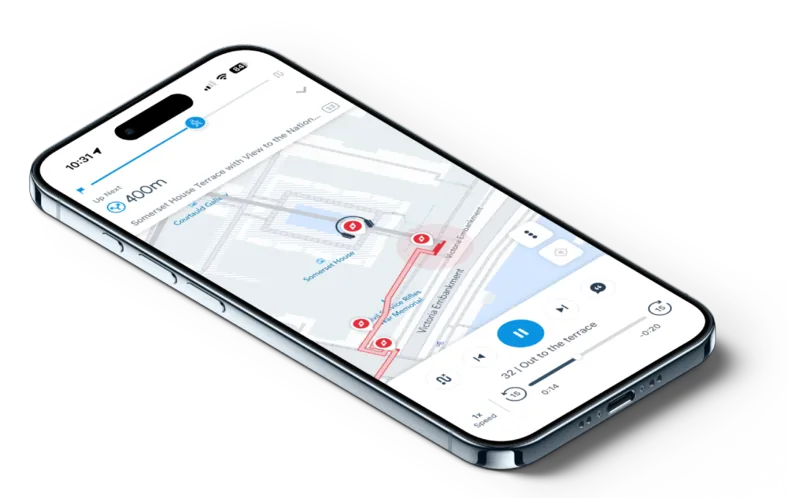
- Download tours to use them offline
- Listen hands-free with GPS playback
- Get turn-by-turn directions


Scan to get app
Download the app for free
VoiceMap




 App of the Day

 Editor’s Choice






Itchy feet? Us too
VoiceMap’s newsletter scratches that itch and stimulates your senses,
every fortnight. Curiosity is the only currency you need to subscribe.

Exploring is easier with a VoiceMap account
To purchase tours, add them to a wishlist, or access them with the VoiceMap app, please sign in or create a VoiceMap account


Exploring is easier with a VoiceMap account
To purchase tours, add them to a wishlist, or access them with the VoiceMap app, please sign in or create a VoiceMap account