







ATTRACTION
The Statue of Liberty,
New York City


About
The Statue of Liberty was very nearly Egyptian. Sculptor Frédéric Bartholdi first proposed his colossal robed figure, torch held aloft, as a monument at the entrance to the Suez Canal. When that fell through, a dinner-party conversation with French political thinker Édouard de Laboulaye redirected her to New York harbour instead.
She arrived ten years late and nearly ended up in Boston or Philadelphia, both of which offered to fund her pedestal if she'd relocate. In New York, no government official would pay. It was Joseph Pulitzer, a newspaper publisher and immigrant himself, who crowd-funded the shortfall, pledging to print the name of every donor in his New York World newspaper: poker clubs, saloon drinkers and a Brooklyn home for recovering alcoholics all chipped in. At her 1886 dedication, no women were permitted on the island. Suffragettes chartered a boat to protest the irony of a female Liberty in a state where women couldn't vote.
VoiceMap's self-guided audio tours trace the statue's improbable origins, unpack the symbolism buried in her design, and connect her story to Ellis Island's twelve million arrivals.
She arrived ten years late and nearly ended up in Boston or Philadelphia, both of which offered to fund her pedestal if she'd relocate. In New York, no government official would pay. It was Joseph Pulitzer, a newspaper publisher and immigrant himself, who crowd-funded the shortfall, pledging to print the name of every donor in his New York World newspaper: poker clubs, saloon drinkers and a Brooklyn home for recovering alcoholics all chipped in. At her 1886 dedication, no women were permitted on the island. Suffragettes chartered a boat to protest the irony of a female Liberty in a state where women couldn't vote.
VoiceMap's self-guided audio tours trace the statue's improbable origins, unpack the symbolism buried in her design, and connect her story to Ellis Island's twelve million arrivals.

Tours featuring the Statue of Liberty (1)


Top Sights
Public Art
Maritime Heritage
Take in views of Lady Liberty and drink in history at a legendary tavern

 Walking Tour
|
 90 mins
Download the app for free
VoiceMap
- Download tours to use them offline
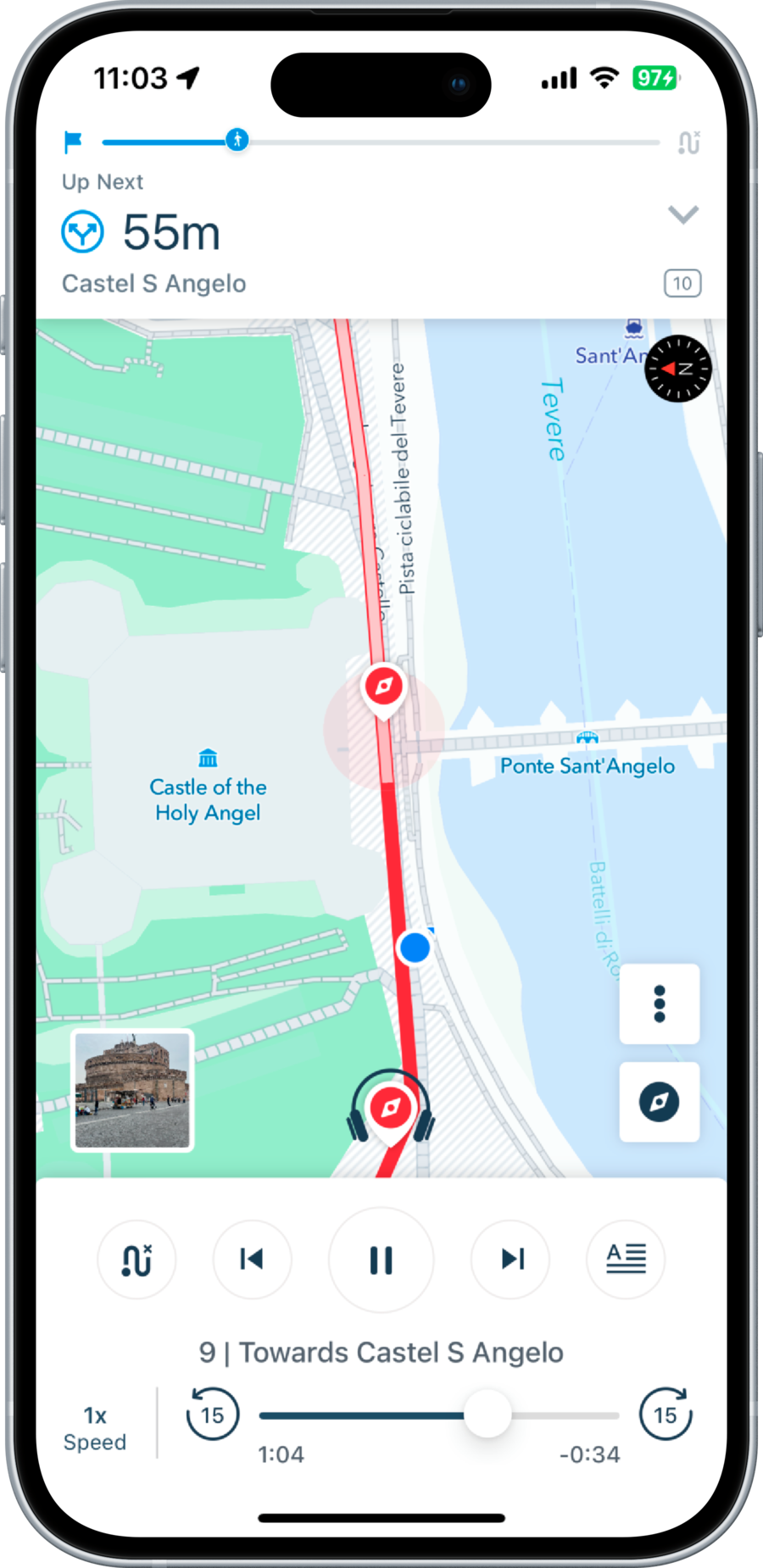
- Listen hands-free with GPS playback
- Get turn-by-turn directions


Scan to get app
Download the app for free
VoiceMap




 App of the Day

 Editor’s Choice
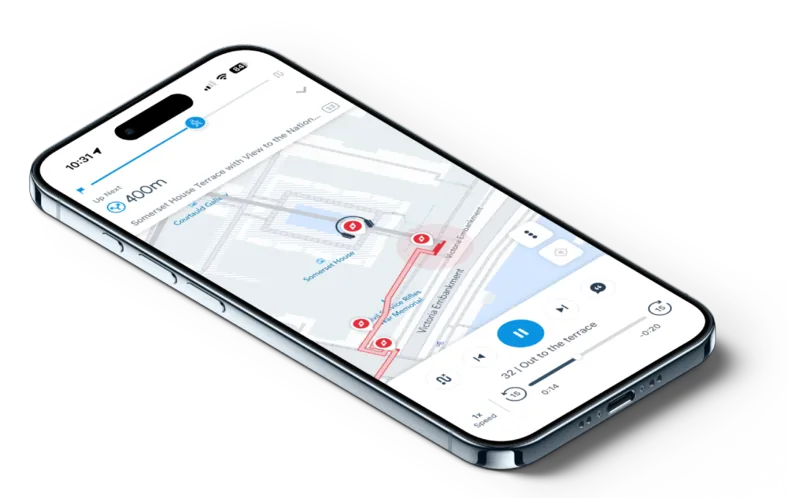




Explore New York City
48 self-guided VoiceMap tours you
can do at your own pace
View New York City Tours



Itchy feet? Us too
VoiceMap’s newsletter scratches that itch and stimulates your senses,
every fortnight. Curiosity is the only currency you need to subscribe.

Exploring is easier with a VoiceMap account
To purchase tours, add them to a wishlist, or access them with the VoiceMap app, please sign in or create a VoiceMap account


Exploring is easier with a VoiceMap account
To purchase tours, add them to a wishlist, or access them with the VoiceMap app, please sign in or create a VoiceMap account