







ATTRACTION
Our Lord in the Attic,
Amsterdam

About
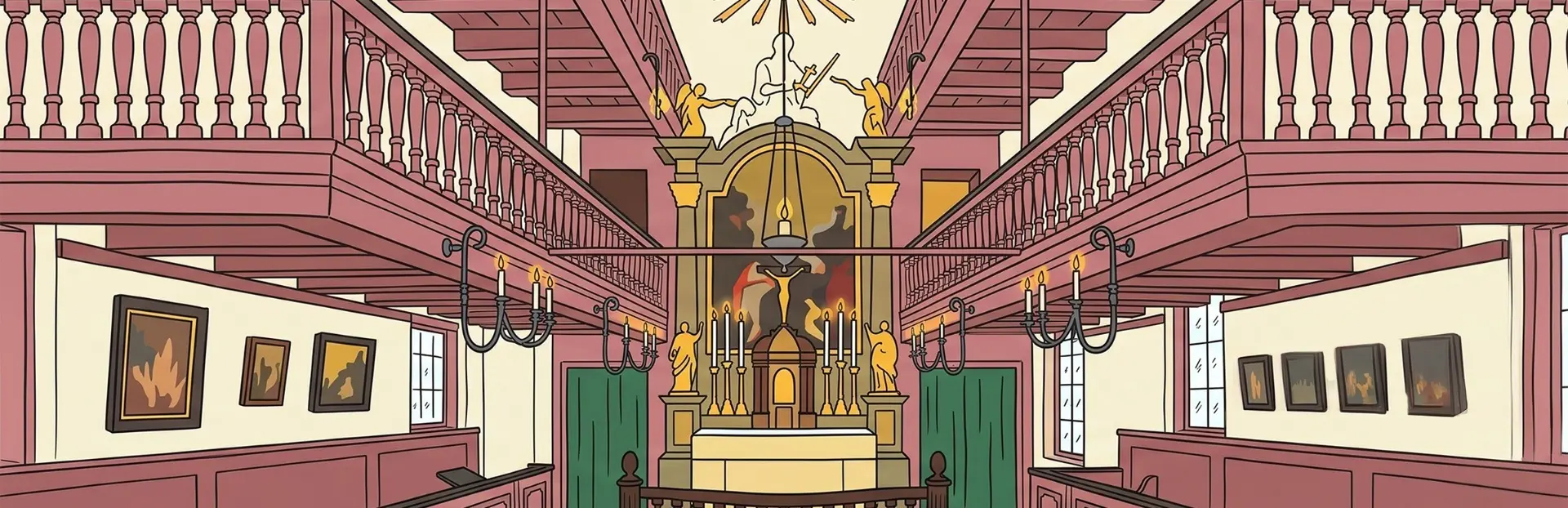
Tucked inside a 17th-century canal house on Oudezijds Voorburgwal, Our Lord in the Attic is one of Amsterdam's most quietly remarkable survivors.
When the city turned Protestant in 1578, Catholicism became officially illegal. In practice, though, the authorities looked the other way, provided Catholics were discreet. Jan Hartman, a Catholic merchant, took this loophole seriously in 1661 when he converted the top three floors of his home into a fully functioning church, complete with a large organ. On Sundays, around 200 worshippers would file in off the street.
Discreet it was not.
The church was made redundant in 1799 when Catholic emancipation meant proper churches could be built again, and it became a museum in the 1880s.
VoiceMap's self-guided audio tours use Our Lord in the Attic to explain gedogen, the Dutch idea of tolerance within the law that made the city's famously liberal culture possible, connecting this canal house to Amsterdam's broader history of pragmatic openness.
When the city turned Protestant in 1578, Catholicism became officially illegal. In practice, though, the authorities looked the other way, provided Catholics were discreet. Jan Hartman, a Catholic merchant, took this loophole seriously in 1661 when he converted the top three floors of his home into a fully functioning church, complete with a large organ. On Sundays, around 200 worshippers would file in off the street.
Discreet it was not.
The church was made redundant in 1799 when Catholic emancipation meant proper churches could be built again, and it became a museum in the 1880s.
VoiceMap's self-guided audio tours use Our Lord in the Attic to explain gedogen, the Dutch idea of tolerance within the law that made the city's famously liberal culture possible, connecting this canal house to Amsterdam's broader history of pragmatic openness.

Tours featuring Our Lord in the Attic (6)


Neighbourhoods
Food And Drink
Modern History
Take a peek behind the curtain of Amsterdam's Red Light District

 Walking Tour
|
 60 mins

Entdeckt Amsterdams Ursprünge, vom Fischerdorf zur Handelsmacht
 Walking Tour
|
60 mins

Amsterdam: du hameau de pêcheurs à la puissance commerciale
Walking Tour
|
60 mins

Explora los orígenes de Ámsterdam, de pueblo pesquero a potencia comercial
Walking Tour
|
60 mins

Esplorate le origini di Amsterdam da villaggio di pesca a potenza commerciale
Walking Tour
|
60 mins

New Tour
No ratings yet
$9.99
Scenic Routes
Top Sights
Colonial History
Walk through eight centuries of history and discover the city's soul
 Walking Tour
|
90 mins
Download the app for free
VoiceMap
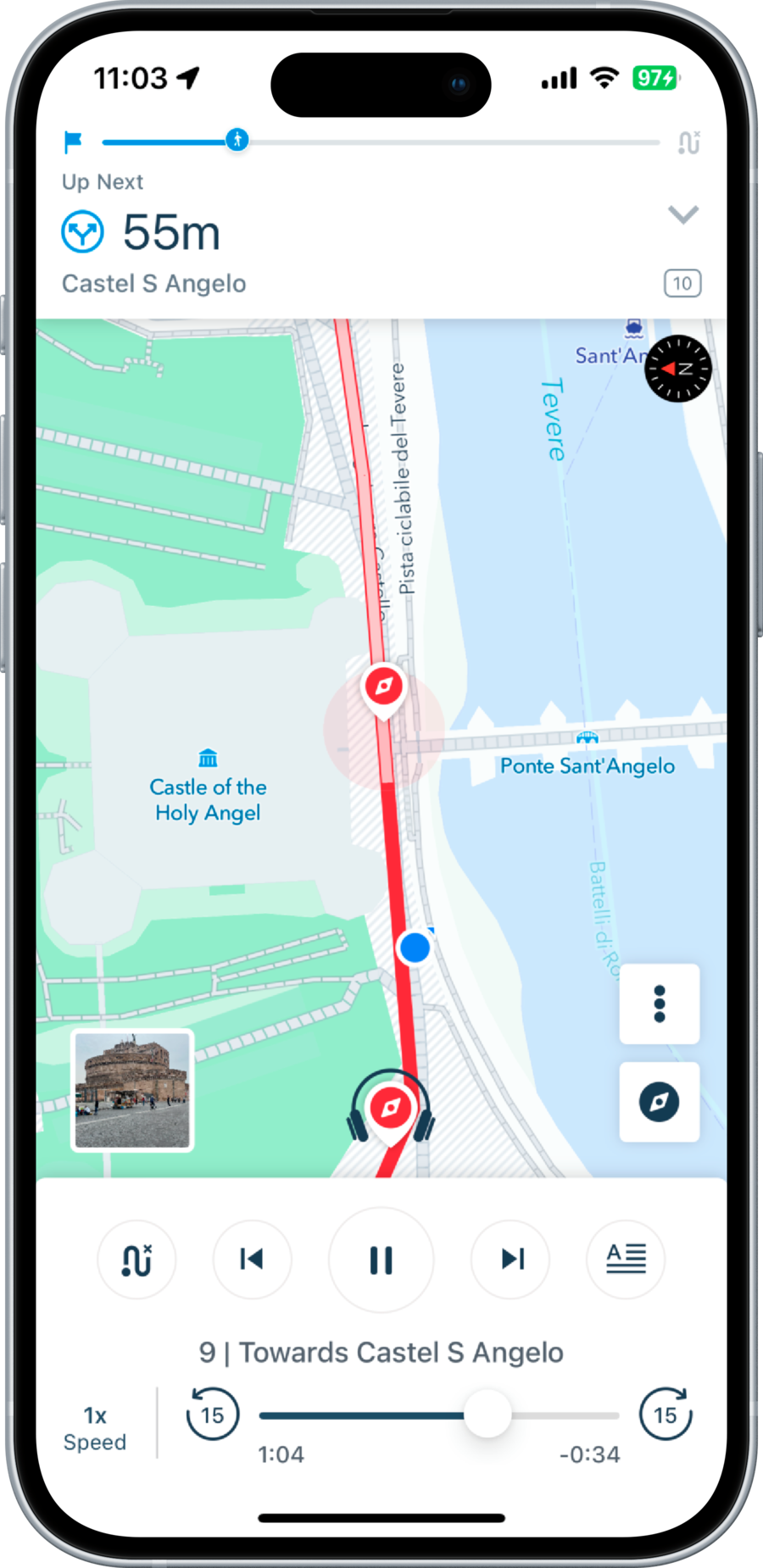
- Download tours to use them offline
- Listen hands-free with GPS playback
- Get turn-by-turn directions


Scan to get app
Download the app for free
VoiceMap




 App of the Day

 Editor’s Choice








Itchy feet? Us too
VoiceMap’s newsletter scratches that itch and stimulates your senses,
every fortnight. Curiosity is the only currency you need to subscribe.

Exploring is easier with a VoiceMap account
To purchase tours, add them to a wishlist, or access them with the VoiceMap app, please sign in or create a VoiceMap account


Exploring is easier with a VoiceMap account
To purchase tours, add them to a wishlist, or access them with the VoiceMap app, please sign in or create a VoiceMap account