







ATTRACTION
Oude Kerk Amsterdam,
Amsterdam

About
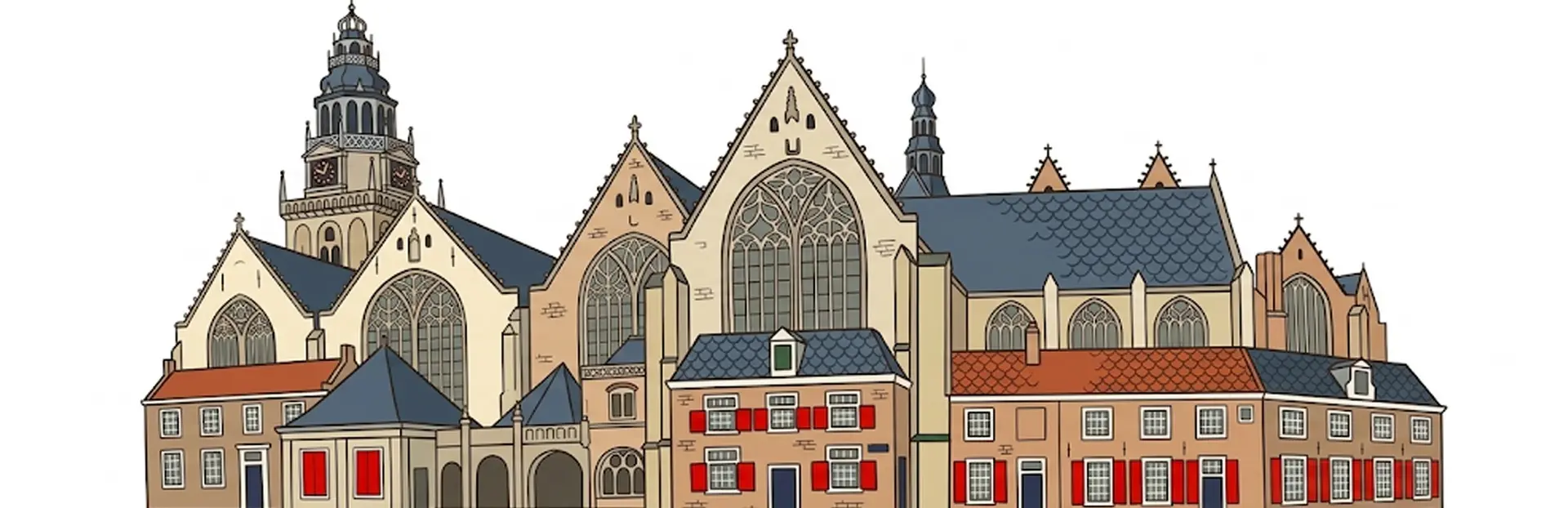
Amsterdam's oldest building began as a wooden chapel in 1250, raised by a handful of fishermen and sailors on soggy ground at the city's edge. The Oude Kerk grew with Amsterdam, reaching its current Gothic form in 1565, though the soft peat beneath its foundations meant the builders kept everything lighter than their French or Italian counterparts, using clay brick, wooden roofs and generously wide windows.
For forty-six years, the prodigy Jan Pieterszoon Sweelinck played the organ here, drawing musicians from across Europe to free public concerts. He was buried beneath the floor he performed on. His influence eventually reached Bach. When Amsterdam turned Protestant in 1578, Sweelinck, a Catholic, kept his post anyway. The city's pragmatic tolerance ran deep.
Today a museum for contemporary art, the church sits squarely in the Red Light District. VoiceMap's tours use the Oude Kerk to trace how that same Dutch pragmatism shaped Amsterdam's history, from religious tolerance to the quiet permissiveness that still defines the streets surrounding it.
For forty-six years, the prodigy Jan Pieterszoon Sweelinck played the organ here, drawing musicians from across Europe to free public concerts. He was buried beneath the floor he performed on. His influence eventually reached Bach. When Amsterdam turned Protestant in 1578, Sweelinck, a Catholic, kept his post anyway. The city's pragmatic tolerance ran deep.
Today a museum for contemporary art, the church sits squarely in the Red Light District. VoiceMap's tours use the Oude Kerk to trace how that same Dutch pragmatism shaped Amsterdam's history, from religious tolerance to the quiet permissiveness that still defines the streets surrounding it.

Tours featuring Oude Kerk Amsterdam (3)


Neighbourhoods
Food And Drink
Modern History
Take a peek behind the curtain of Amsterdam's Red Light District

 Walking Tour
|
 60 mins
Architecture
Local Legends
Fine Art
Connect with the liberal mindset that shaped artistic life here in the 1600s
 Walking Tour
|
75 mins
Scenic Routes
Top Sights
Colonial History
Walk through eight centuries of history and discover the city's soul
 Walking Tour
|
90 mins
Download the app for free
VoiceMap
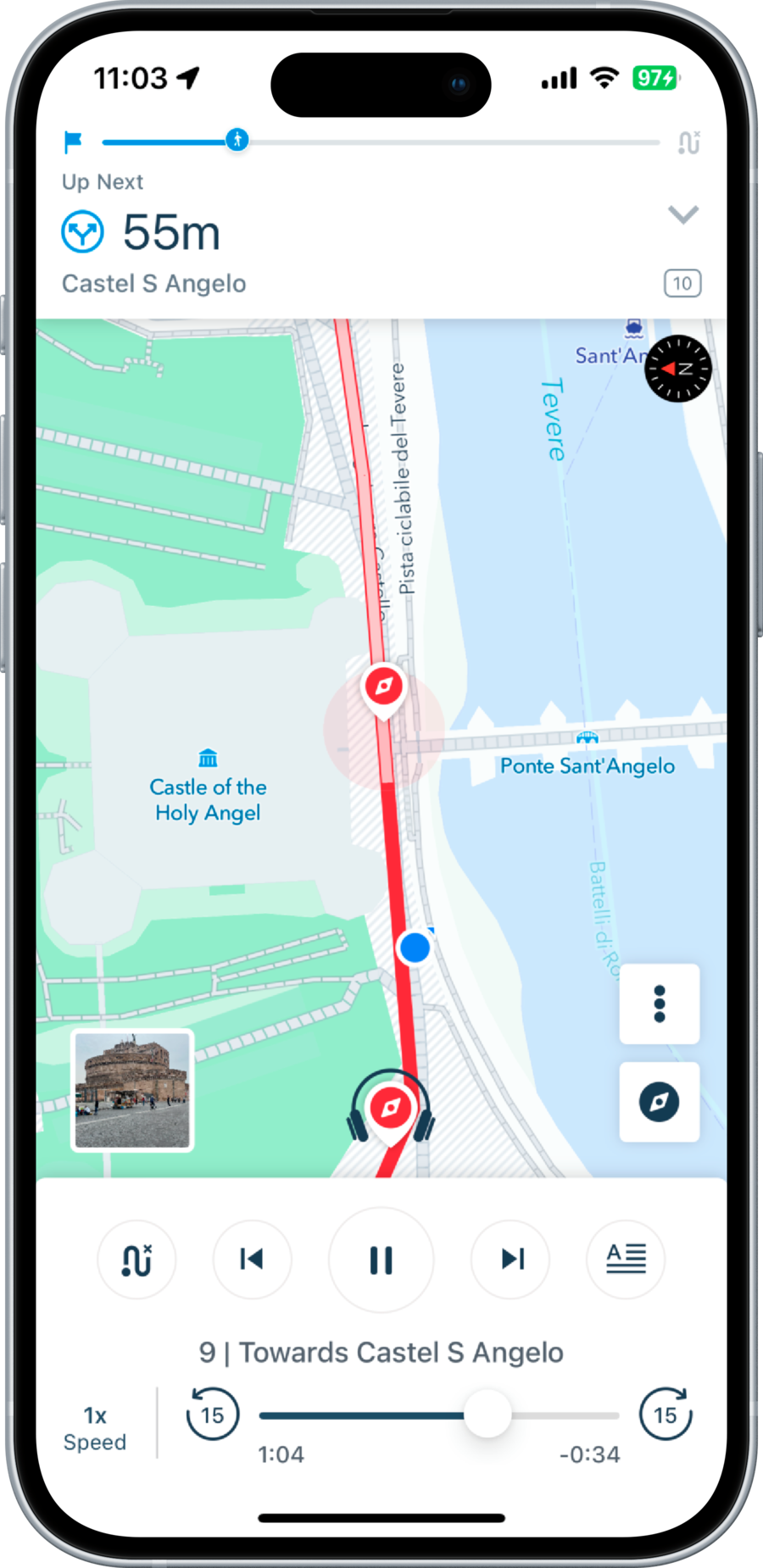
- Download tours to use them offline
- Listen hands-free with GPS playback
- Get turn-by-turn directions


Scan to get app
Download the app for free
VoiceMap




 App of the Day

 Editor’s Choice








Itchy feet? Us too
VoiceMap’s newsletter scratches that itch and stimulates your senses,
every fortnight. Curiosity is the only currency you need to subscribe.

Exploring is easier with a VoiceMap account
To purchase tours, add them to a wishlist, or access them with the VoiceMap app, please sign in or create a VoiceMap account


Exploring is easier with a VoiceMap account
To purchase tours, add them to a wishlist, or access them with the VoiceMap app, please sign in or create a VoiceMap account