






ATTRACTION
Piazza Navona,
Rome

About
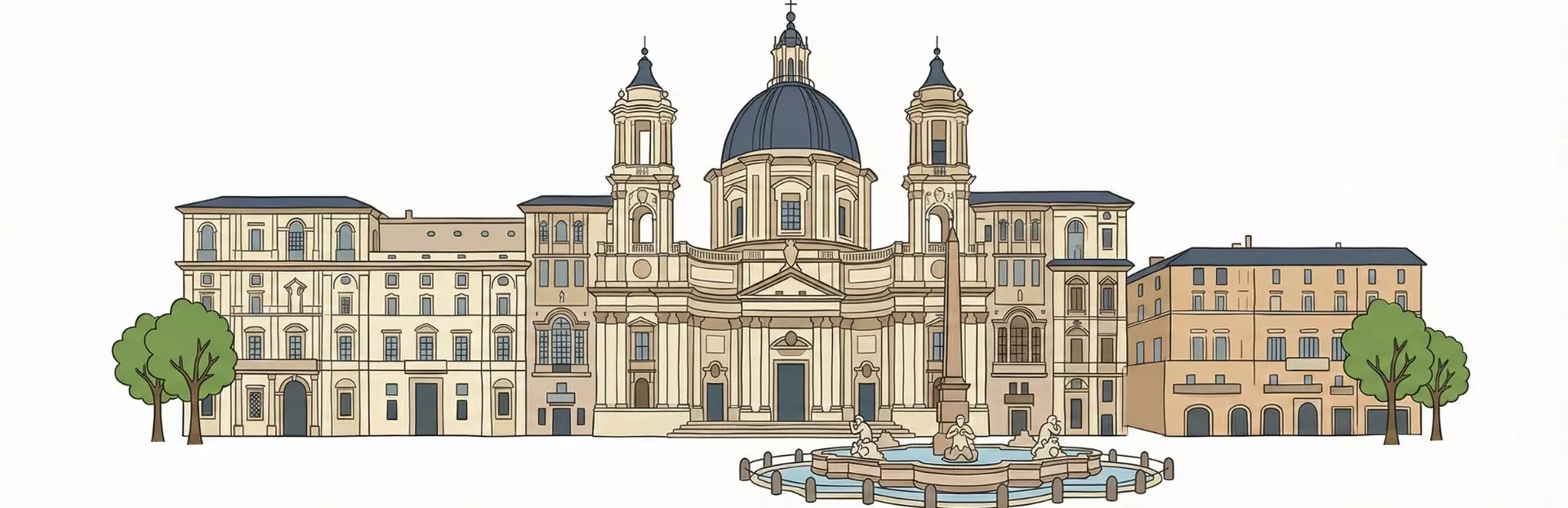
Piazza Navona occupies the exact footprint of Emperor Domitian's stadium from 86 AD, and you can still trace the shape of the ancient racetrack in this elongated baroque square. The surrounding buildings rest on the original spectators' steps, while the piazza floor sits where 30,000 Romans once watched athletic contests.
The square was paved in 1485 and transformed into a baroque showpiece. At its heart, Bernini's 1651 Fountain of the Four Rivers features river gods from four continents, crowned by an ancient Roman obelisk carved to look Egyptian. Two other fountains anchor the piazza's ends: the Fountain of the Moor to the south and Neptune's fountain to the north. Borromini's Sant'Agnese church faces Bernini's central fountain, embodying the artistic rivalry that defined baroque Rome. The imposing Palazzo Braschi, now Rome's city museum, dominates the western side.
VoiceMap's self-guided audio tours reveal how this Roman stadium evolved into a baroque theatre, tracing the architectural layers from ancient athletics to papal power plays and the feuds between rival architects.
The square was paved in 1485 and transformed into a baroque showpiece. At its heart, Bernini's 1651 Fountain of the Four Rivers features river gods from four continents, crowned by an ancient Roman obelisk carved to look Egyptian. Two other fountains anchor the piazza's ends: the Fountain of the Moor to the south and Neptune's fountain to the north. Borromini's Sant'Agnese church faces Bernini's central fountain, embodying the artistic rivalry that defined baroque Rome. The imposing Palazzo Braschi, now Rome's city museum, dominates the western side.
VoiceMap's self-guided audio tours reveal how this Roman stadium evolved into a baroque theatre, tracing the architectural layers from ancient athletics to papal power plays and the feuds between rival architects.

Tours featuring Piazza Navona (3)

Ancient History
Ghosts And Hauntings
Oddities And Rarities
Explore ancient Rome with a "tour ghost", who shows you all his favourite haunts

 Walking Tour
|
 75 mins
Literature
Colonial History
Ancient History
Parade down Italy’s political paths from the Arc of Constantine to Piazza Navona
 Walking Tour
|
120 mins

Neighbourhoods
Food And Drink
Nightlife
Feast on the city’s best bites with a side of history in its storied center
 Walking Tour
|
90 mins
Download the app for free
VoiceMap
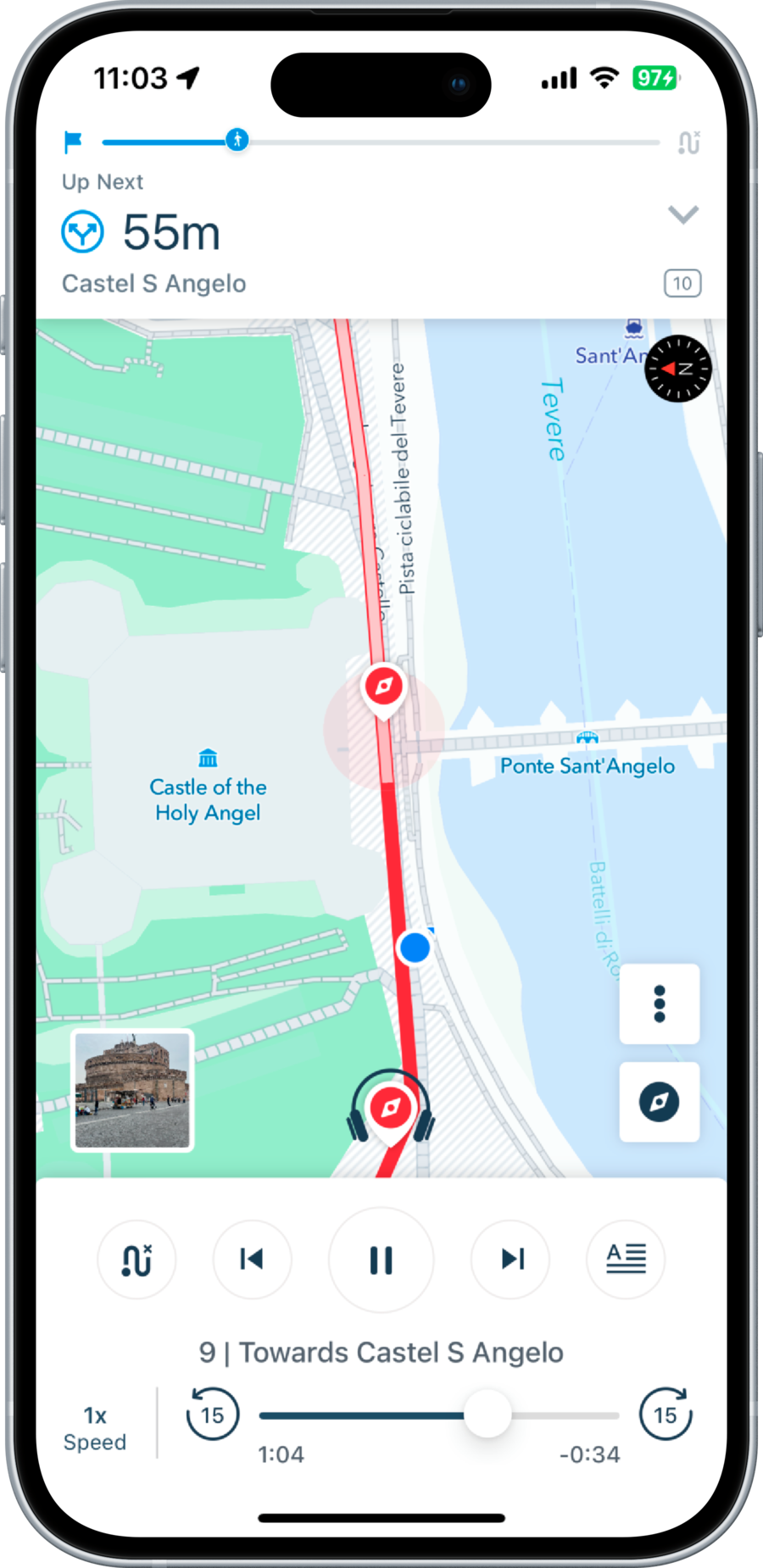
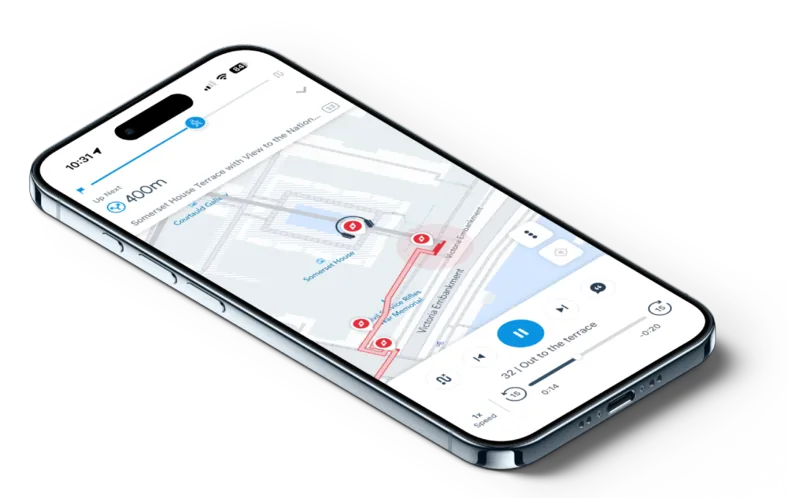
- Download tours to use them offline
- Listen hands-free with GPS playback
- Get turn-by-turn directions


Scan to get app
Download the app for free
VoiceMap




 App of the Day

 Editor’s Choice






Itchy feet? Us too
VoiceMap’s newsletter scratches that itch and stimulates your senses,
every fortnight. Curiosity is the only currency you need to subscribe.

Exploring is easier with a VoiceMap account
To purchase tours, add them to a wishlist, or access them with the VoiceMap app, please sign in or create a VoiceMap account


Exploring is easier with a VoiceMap account
To purchase tours, add them to a wishlist, or access them with the VoiceMap app, please sign in or create a VoiceMap account