






ATTRACTION
The Pantheon,
Rome


About
The Pantheon started life as a temple to all the gods, built by Marcus Agrippa in 25 BCE. What you see today, though, is mostly Hadrian's doing. That emperor had a habit of rebuilding monuments and leaving the original dedications intact, which confused historians for centuries.
The engineering remains staggering. Ancient Romans invented a volcanic ash concrete that let them cast five thousand tons of it over a wooden frame, creating a dome that's a perfect sphere, 43.3 metres across. The walls are six metres thick. Each of those columns weighs sixty tons, dragged from Egypt on sledges, floated down the Nile, shipped across the Mediterranean, and hauled up from the port.
Since 608 CE, it's been a church dedicated to Saint Mary and the Martyrs, which saved it from being plundered for building materials. Raphael lies here, as do Italy's first kings.
VoiceMap's self-guided audio tours trace how this temple became both a Renaissance inspiration and a source of bronze for Saint Peter's Basilica.
The engineering remains staggering. Ancient Romans invented a volcanic ash concrete that let them cast five thousand tons of it over a wooden frame, creating a dome that's a perfect sphere, 43.3 metres across. The walls are six metres thick. Each of those columns weighs sixty tons, dragged from Egypt on sledges, floated down the Nile, shipped across the Mediterranean, and hauled up from the port.
Since 608 CE, it's been a church dedicated to Saint Mary and the Martyrs, which saved it from being plundered for building materials. Raphael lies here, as do Italy's first kings.
VoiceMap's self-guided audio tours trace how this temple became both a Renaissance inspiration and a source of bronze for Saint Peter's Basilica.

Tours featuring the Pantheon (3)

Ancient History
Ghosts And Hauntings
Oddities And Rarities
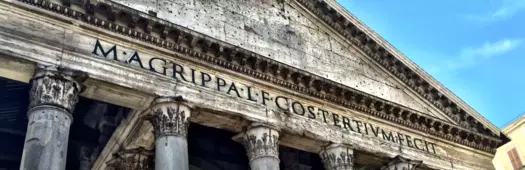
Explore ancient Rome with a "tour ghost", who shows you all his favourite haunts

 Walking Tour
|
 75 mins
Literature
Colonial History
Ancient History
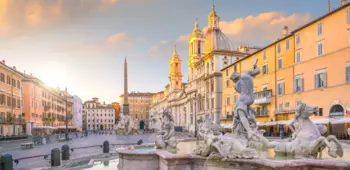
Parade down Italy’s political paths from the Arc of Constantine to Piazza Navona
 Walking Tour
|
120 mins
Architecture
Ancient History
Fine Art
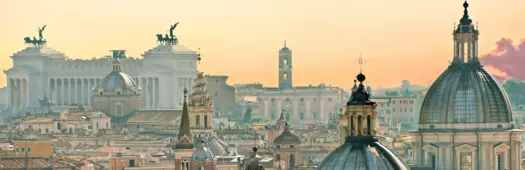
Uncover papal gossip, Caravaggio scandals, and miraculous coffee
 Walking Tour
|
60 mins
Download the app for free
VoiceMap
- Download tours to use them offline
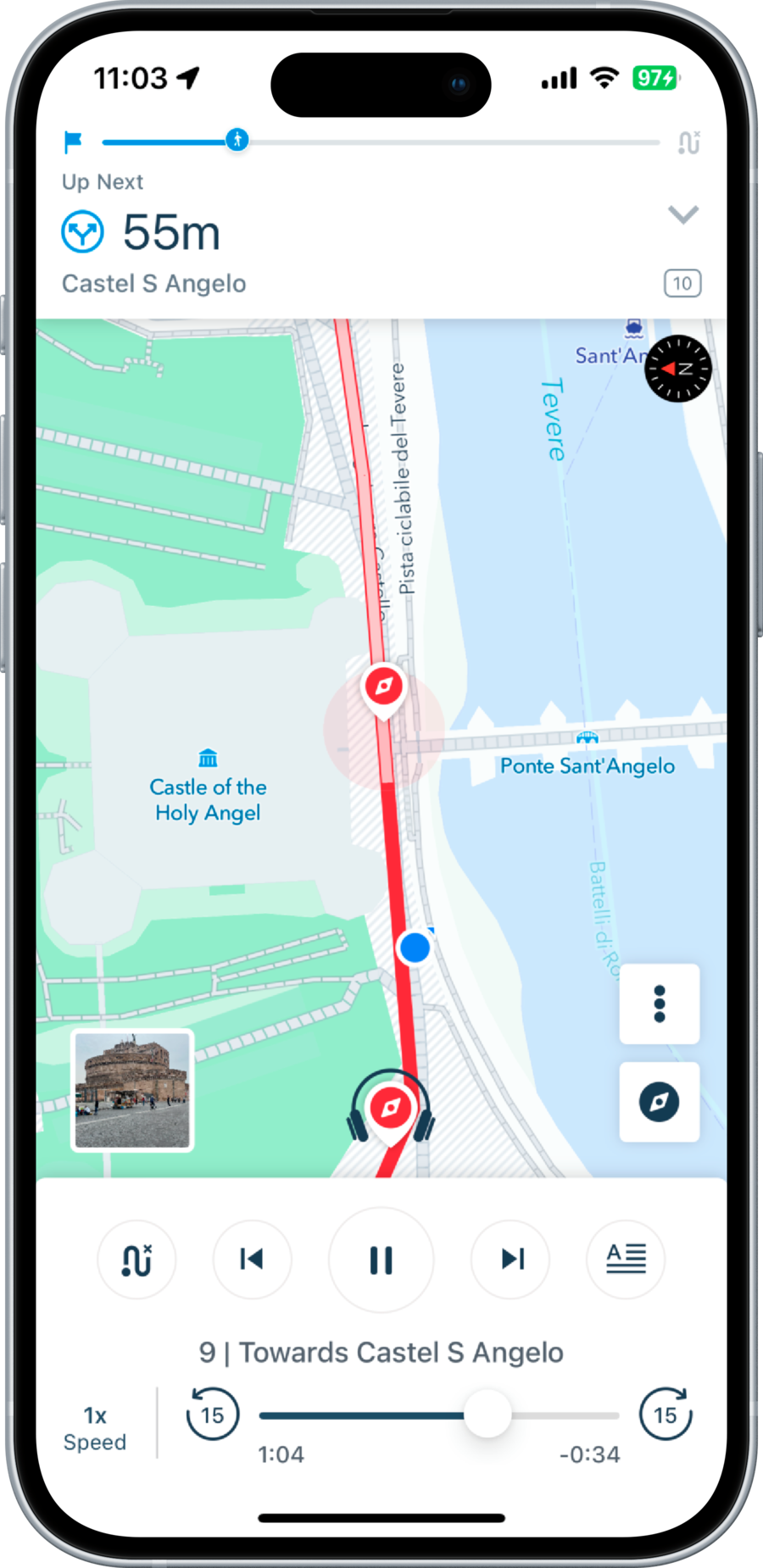
- Listen hands-free with GPS playback
- Get turn-by-turn directions


Scan to get app
Download the app for free
VoiceMap




 App of the Day

 Editor’s Choice







Itchy feet? Us too
VoiceMap’s newsletter scratches that itch and stimulates your senses,
every fortnight. Curiosity is the only currency you need to subscribe.

Exploring is easier with a VoiceMap account
To purchase tours, add them to a wishlist, or access them with the VoiceMap app, please sign in or create a VoiceMap account


Exploring is easier with a VoiceMap account
To purchase tours, add them to a wishlist, or access them with the VoiceMap app, please sign in or create a VoiceMap account