



ATTRACTION
Piazza di Spagna,
Rome

About
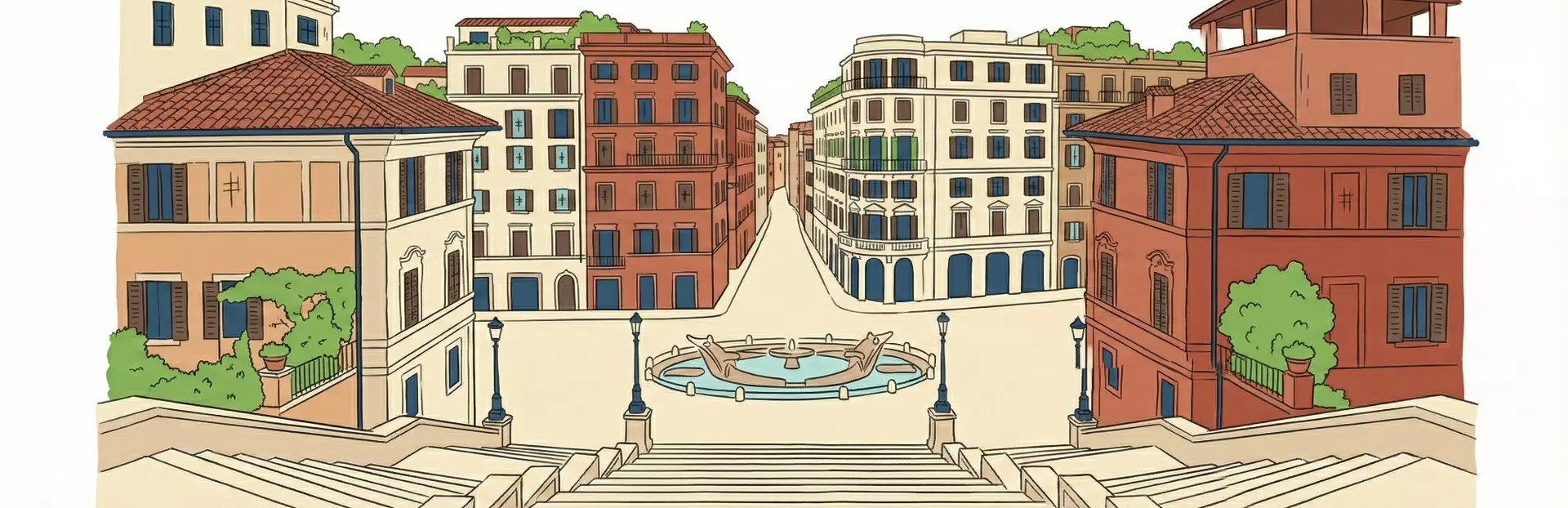
Piazza di Spagna took its name from the Spanish Embassy to the Holy See, whose extraterritorial grounds could conscript unwary foreigners into Spain's army. Yet the Spanish Steps themselves were French-funded, built between 1723 and 1726 to link the Bourbon embassy below with Trinità dei Monti above, a church whose twin clock faces still show Rome time and Paris time.
Francesco de Sanctis designed the 138 travertine steps after decades of diplomatic wrangling over a French plan to crown them with an equestrian statue of Louis XIV. The Pope refused. De Sanctis' compromise satisfied both powers, dividing the cascading staircase into three flights of three sections each, evoking the Holy Trinity.
Below sits the Fontana della Barcaccia, Pietro Bernini's half-sunken boat commemorating Christmas Day 1598, when the Tiber flooded so severely a barge washed all the way to the square. The fountain sits below street level because the Acqua Vergine aqueduct feeding it carries such low pressure that Bernini couldn't build upward.
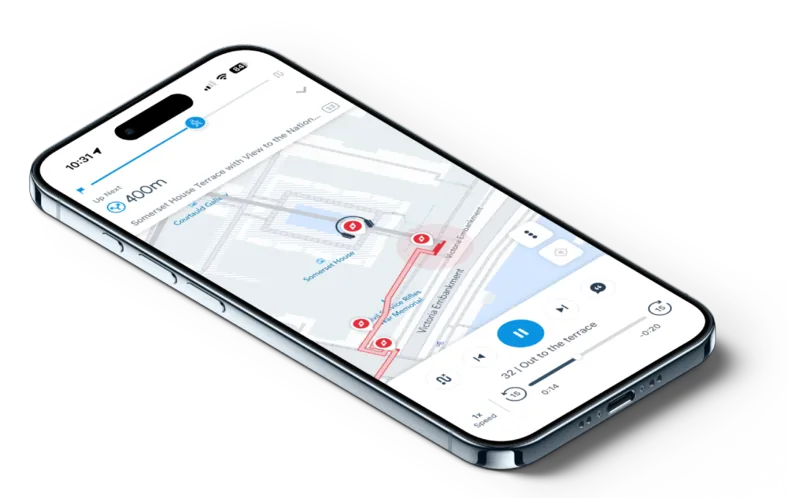
VoiceMap's self-guided audio tours use the square to trace Rome's transformation into a Grand Tour destination, revealing how carriage repair shops lined Via delle Carrozze when horse-drawn vehicles couldn't navigate beyond this point, explaining how the area became the "English ghetto" where Keats spent his final months, and connecting the literary haunts and Renaissance palaces that made the Spanish Steps Europe's widest staircase and a gathering place for artists since the 1500s.
Francesco de Sanctis designed the 138 travertine steps after decades of diplomatic wrangling over a French plan to crown them with an equestrian statue of Louis XIV. The Pope refused. De Sanctis' compromise satisfied both powers, dividing the cascading staircase into three flights of three sections each, evoking the Holy Trinity.
Below sits the Fontana della Barcaccia, Pietro Bernini's half-sunken boat commemorating Christmas Day 1598, when the Tiber flooded so severely a barge washed all the way to the square. The fountain sits below street level because the Acqua Vergine aqueduct feeding it carries such low pressure that Bernini couldn't build upward.
VoiceMap's self-guided audio tours use the square to trace Rome's transformation into a Grand Tour destination, revealing how carriage repair shops lined Via delle Carrozze when horse-drawn vehicles couldn't navigate beyond this point, explaining how the area became the "English ghetto" where Keats spent his final months, and connecting the literary haunts and Renaissance palaces that made the Spanish Steps Europe's widest staircase and a gathering place for artists since the 1500s.

Tours featuring Piazza di Spagna (2)

Architecture
Medieval History
Ancient History
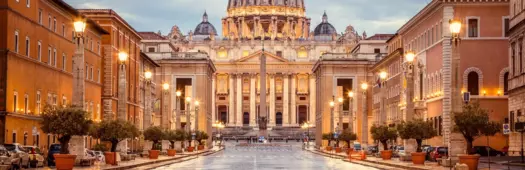
Follow popes, fictional characters and artists through the Eternal City

 Walking Tour
|
 120 mins
Literature
Neighbourhoods
Top Sights
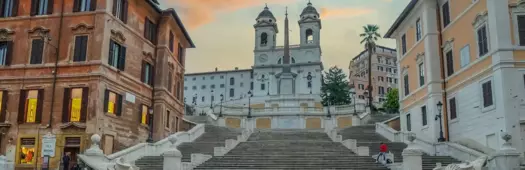
Find inspiration along the same streets that influenced literary legends
 Walking Tour
|
90 mins
Download the app for free
VoiceMap
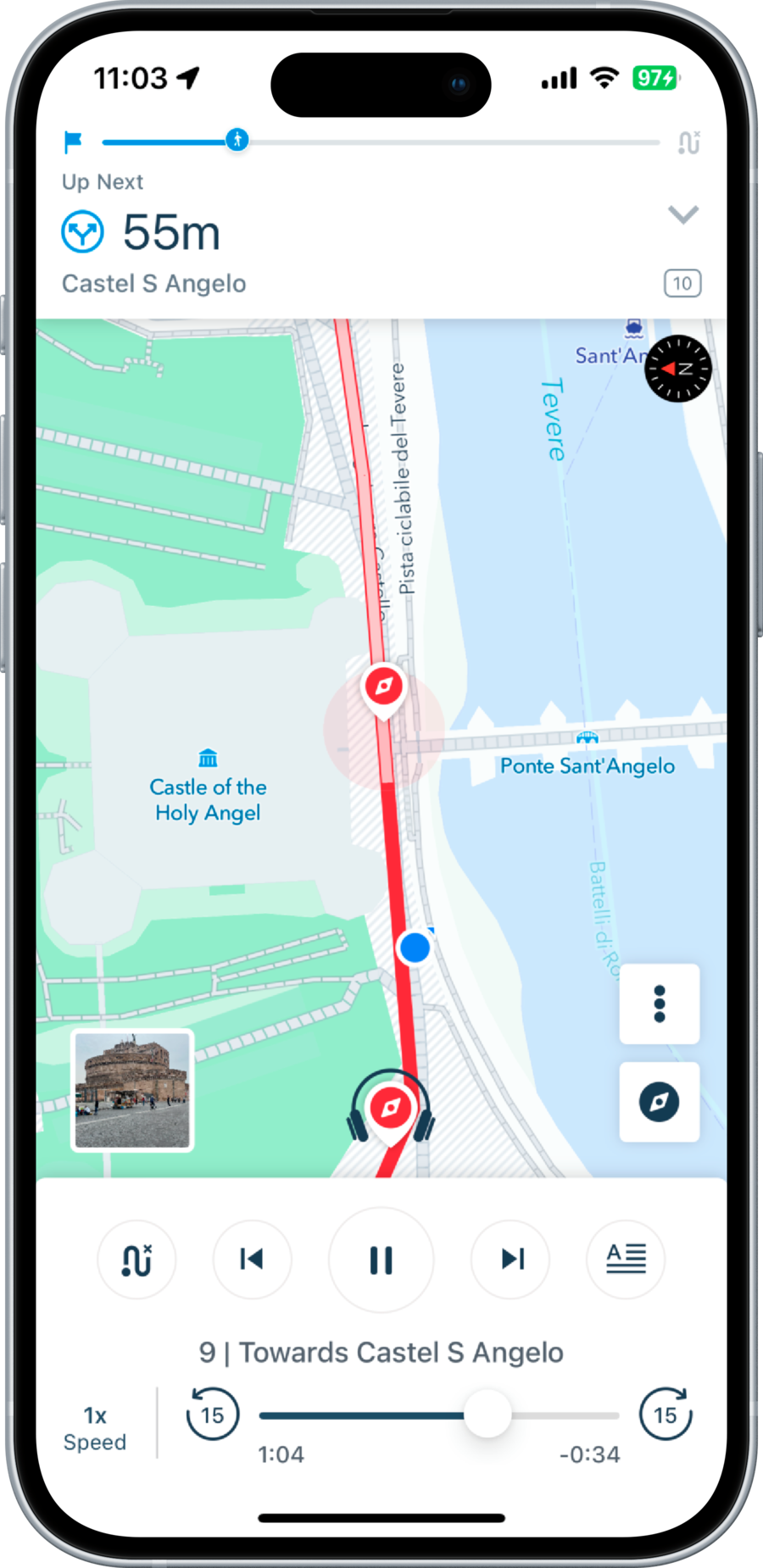
- Download tours to use them offline
- Listen hands-free with GPS playback
- Get turn-by-turn directions


Scan to get app
Download the app for free
VoiceMap




 App of the Day

 Editor’s Choice






Itchy feet? Us too
VoiceMap’s newsletter scratches that itch and stimulates your senses,
every fortnight. Curiosity is the only currency you need to subscribe.

Exploring is easier with a VoiceMap account
To purchase tours, add them to a wishlist, or access them with the VoiceMap app, please sign in or create a VoiceMap account


Exploring is easier with a VoiceMap account
To purchase tours, add them to a wishlist, or access them with the VoiceMap app, please sign in or create a VoiceMap account