







ATTRACTION
The Temple of Vesta,
Rome


About
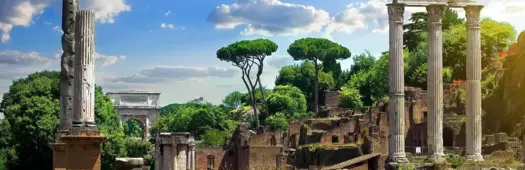
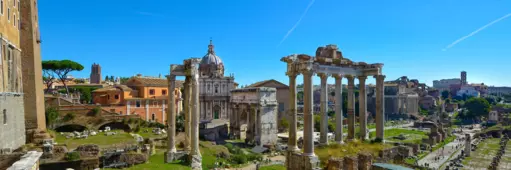
The Temple of Vesta sits in the Roman Forum as a circular ruin, with three columns still standing from the original twenty. Its round shape mimics the prehistoric huts that once dotted Europe, their central hearths burning for warmth and survival. The Romans took that ancient form and gave it cosmic significance: inside, on an altar in the central cella, burned an eternal flame. Let it go out, and Rome itself would fall, or so everyone believed.
Six Vestal Virgins maintained the fire. Chosen between ages six and ten from aristocratic families, they served for thirty years under a vow of celibacy. Break that vow, and you'd be buried alive. Fail to keep the flame burning, and you'd be whipped until you bled. But succeed, and you wielded extraordinary power: Vestal Virgins could own property, give evidence without oath, and free slaves with a touch.
They also guarded the Palladium, a wooden statue of Athena supposedly carried from burning Troy by Aeneas, hidden in a cavity beneath the temple floor. The pontifex maximus, Lucius Caecilius Metellus, rushed into the burning temple in 241 BC to save the Palladium and was blinded by flames, punishment for breaking the rule that barred men from entering.
VoiceMap's Roman Forum tours stop at the temple to explain how its eternal flame symbolized hearth and home for every Roman citizen, reveal the Vestal Virgins' peculiar combination of sacred duty and political influence, and connect the temple's role as Rome's holiest shrine to the founding myths that made Aeneas carry Troy's sacred objects across the Mediterranean to establish a new civilization.
Six Vestal Virgins maintained the fire. Chosen between ages six and ten from aristocratic families, they served for thirty years under a vow of celibacy. Break that vow, and you'd be buried alive. Fail to keep the flame burning, and you'd be whipped until you bled. But succeed, and you wielded extraordinary power: Vestal Virgins could own property, give evidence without oath, and free slaves with a touch.
They also guarded the Palladium, a wooden statue of Athena supposedly carried from burning Troy by Aeneas, hidden in a cavity beneath the temple floor. The pontifex maximus, Lucius Caecilius Metellus, rushed into the burning temple in 241 BC to save the Palladium and was blinded by flames, punishment for breaking the rule that barred men from entering.
VoiceMap's Roman Forum tours stop at the temple to explain how its eternal flame symbolized hearth and home for every Roman citizen, reveal the Vestal Virgins' peculiar combination of sacred duty and political influence, and connect the temple's role as Rome's holiest shrine to the founding myths that made Aeneas carry Troy's sacred objects across the Mediterranean to establish a new civilization.

Tours featuring the Temple of Vesta (2)

Ancient History
Industrial Revolution
Literature
Step into the valley where Cicero orated and Caesar's ashes still draw flowers

 Walking Tour
|
 60 mins
Ancient History
Religious Sites
Medieval History
Experience Ancient Rome's landmarks with an archaeologist's guidance
 Walking Tour
|
90 mins
Download the app for free
VoiceMap
- Download tours to use them offline
- Listen hands-free with GPS playback
- Get turn-by-turn directions


Scan to get app
Download the app for free
VoiceMap




 App of the Day

 Editor’s Choice







Itchy feet? Us too
VoiceMap’s newsletter scratches that itch and stimulates your senses,
every fortnight. Curiosity is the only currency you need to subscribe.

Exploring is easier with a VoiceMap account
To purchase tours, add them to a wishlist, or access them with the VoiceMap app, please sign in or create a VoiceMap account


Exploring is easier with a VoiceMap account
To purchase tours, add them to a wishlist, or access them with the VoiceMap app, please sign in or create a VoiceMap account