






ATTRACTION
The Keats Shelley House,
Rome

About
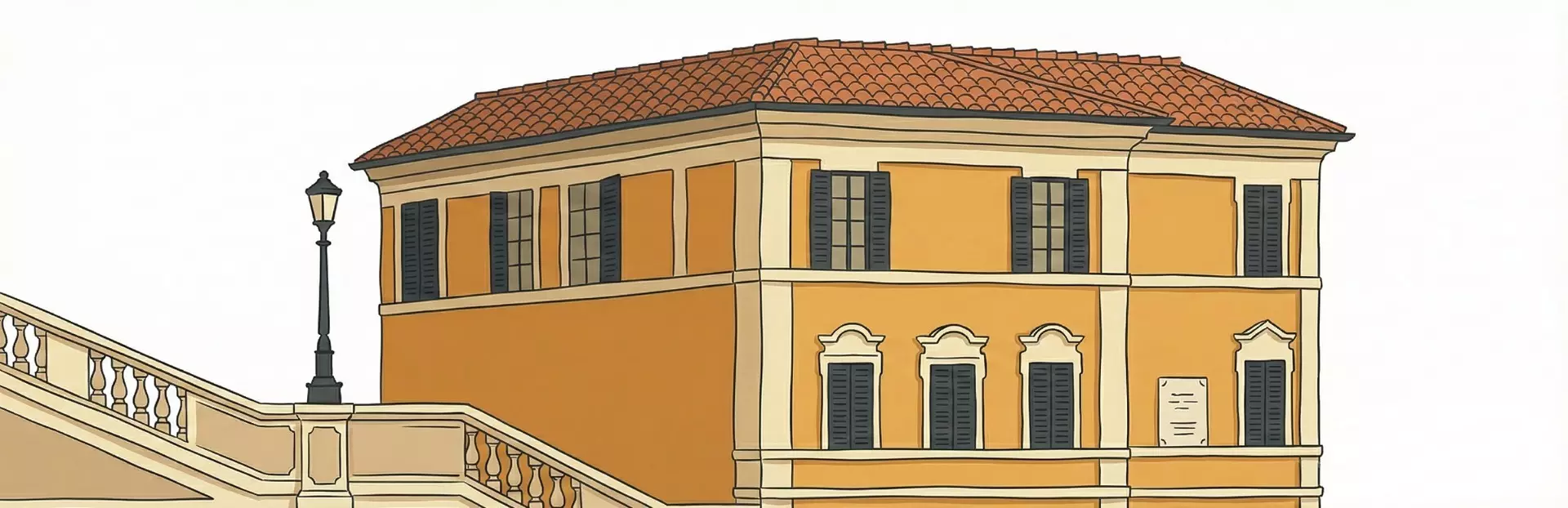
The Keats-Shelley House sits at the base of the Spanish Steps where John Keats spent his final months listening to water splash in the Barcaccia fountain below. He arrived in Rome on 15 November 1820 hoping Italian warmth might cure his tuberculosis. It didn't. Artist Joseph Severn nursed him tirelessly through two months of agony before Keats died at 25, his last words: "Thank God it has come." All the furniture was burned afterwards.
The painted flowers on the bedroom ceiling survive. So does Severn's deathbed sketch of Keats, displayed alongside locks of hair from Keats, Shelley, Milton and Elizabeth Barrett Browning stored in a silver scallop shell. Mary Shelley's travel writing desk sits near manuscripts by Oscar Wilde and Jorge Luis Borges. The museum opened in 1909 after the Anglo-American community saved the building from demolition. Rainer Maria Rilke wrote a poem about Severn's sketch. Sinclair Lewis said his visit was the only time he ever cried.
VoiceMap's self-guided literary tour places Keats's house alongside the Barcaccia fountain that inspired his epitaph, follows the writers who made the Spanish Steps their gathering place, and connects the museum to Rome's Protestant Cemetery where both poets lie buried beneath flowers.
The painted flowers on the bedroom ceiling survive. So does Severn's deathbed sketch of Keats, displayed alongside locks of hair from Keats, Shelley, Milton and Elizabeth Barrett Browning stored in a silver scallop shell. Mary Shelley's travel writing desk sits near manuscripts by Oscar Wilde and Jorge Luis Borges. The museum opened in 1909 after the Anglo-American community saved the building from demolition. Rainer Maria Rilke wrote a poem about Severn's sketch. Sinclair Lewis said his visit was the only time he ever cried.
VoiceMap's self-guided literary tour places Keats's house alongside the Barcaccia fountain that inspired his epitaph, follows the writers who made the Spanish Steps their gathering place, and connects the museum to Rome's Protestant Cemetery where both poets lie buried beneath flowers.

Tours featuring the Keats Shelley House (2)

Architecture
Medieval History
Ancient History
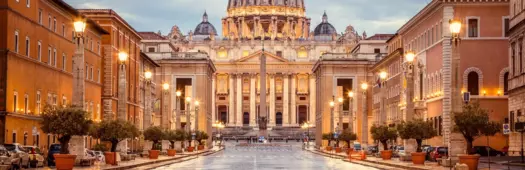
Follow popes, fictional characters and artists through the Eternal City

 Walking Tour
|
 120 mins
Literature
Neighbourhoods
Top Sights
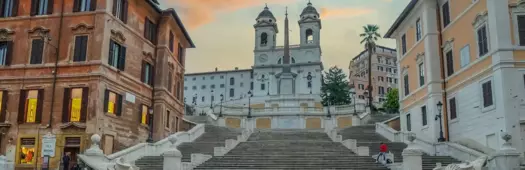
Find inspiration along the same streets that influenced literary legends
 Walking Tour
|
90 mins
Download the app for free
VoiceMap
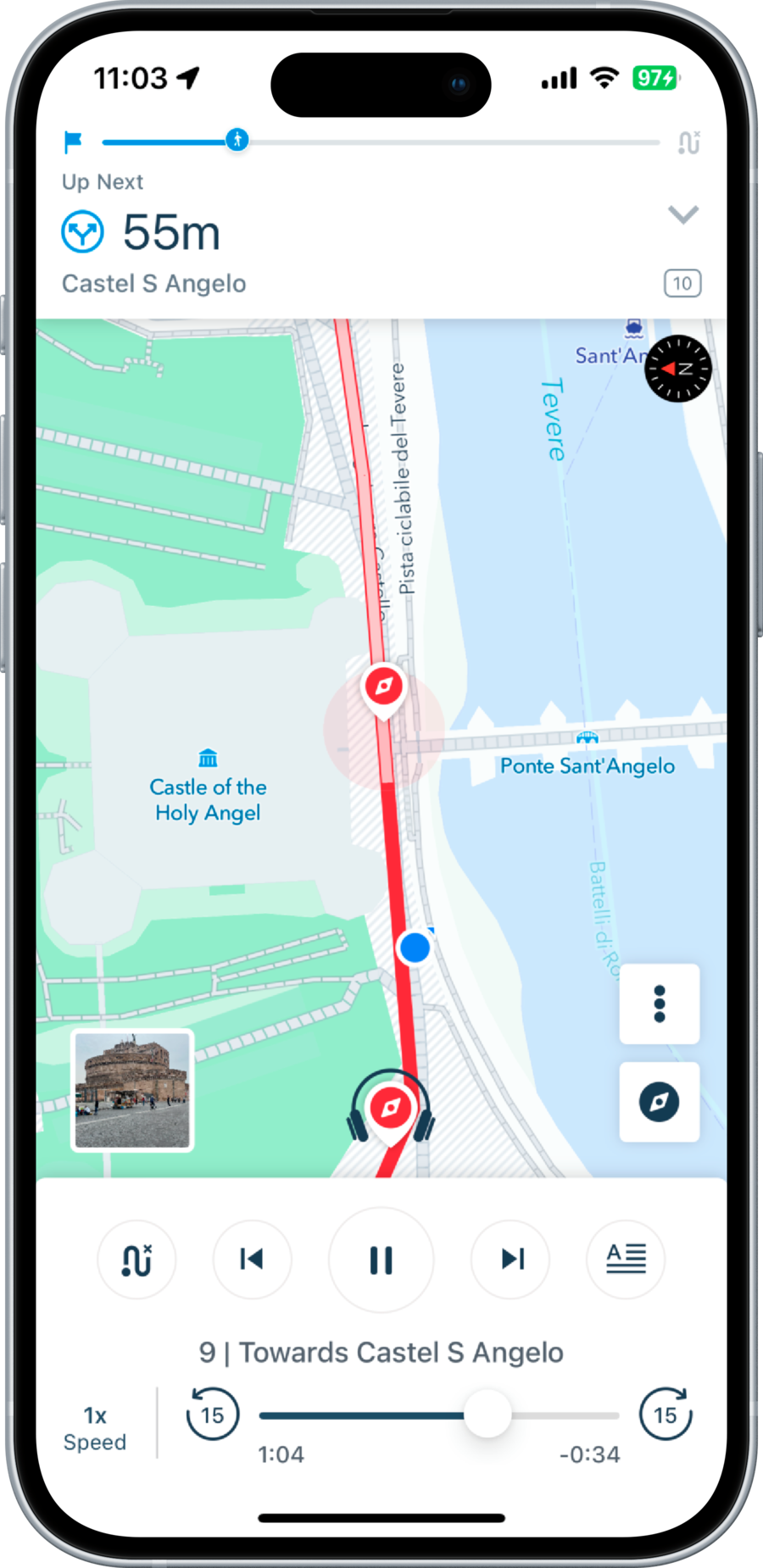
- Download tours to use them offline
- Listen hands-free with GPS playback
- Get turn-by-turn directions


Scan to get app
Download the app for free
VoiceMap




 App of the Day

 Editor’s Choice







Itchy feet? Us too
VoiceMap’s newsletter scratches that itch and stimulates your senses,
every fortnight. Curiosity is the only currency you need to subscribe.

Exploring is easier with a VoiceMap account
To purchase tours, add them to a wishlist, or access them with the VoiceMap app, please sign in or create a VoiceMap account


Exploring is easier with a VoiceMap account
To purchase tours, add them to a wishlist, or access them with the VoiceMap app, please sign in or create a VoiceMap account