







ATTRACTION
Gellért Hill Cave,
Budapest
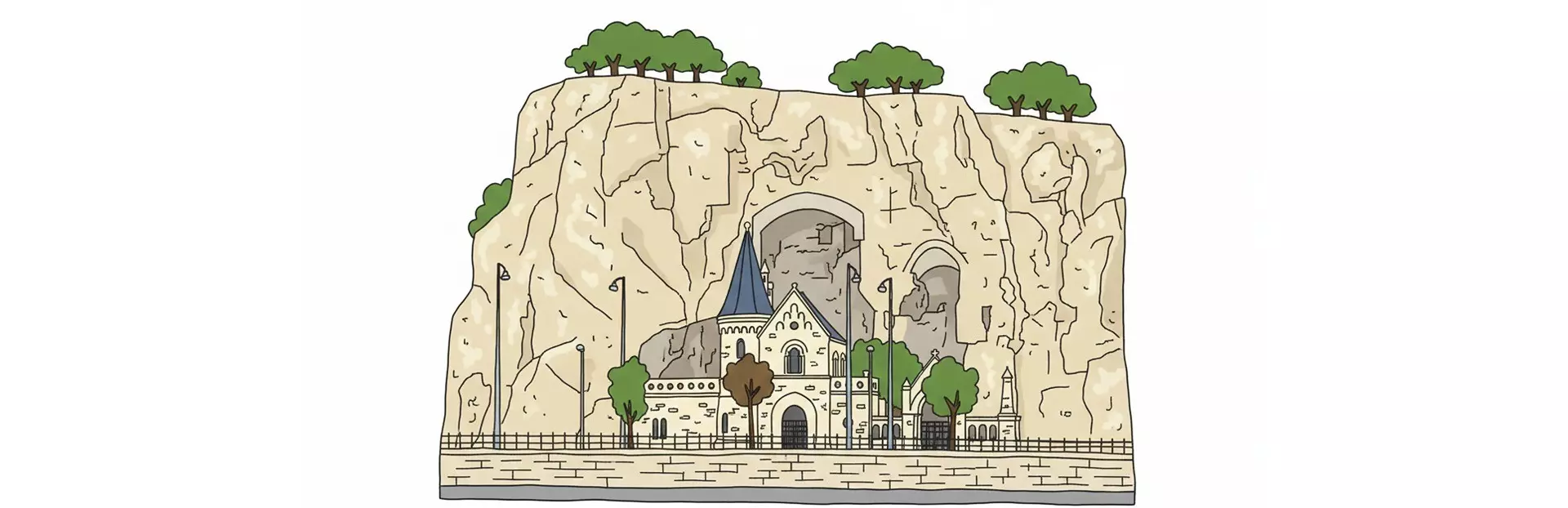

About
For centuries, the cave served humbler purposes: a poor family built a sun-dried brick house in its mouth during the 1860s and used the great opening as a peasant courtyard.
Then, in 1924, Hungarian pilgrims returned from Lourdes with a rather ambitious idea. Within two years, Pauline monks had blasted a proper entrance and transformed the space into a functioning chapel, complete with a neo-Gothic monastery carved into the rock.
The Communist government took a dimmer view. On Easter Monday, 1951, secret police arrested the entire order, executed their superior, and sealed the entrance behind two metres of concrete. The wall stood for nearly four decades.
VoiceMap's self-guided audio tours trace this turbulent history, connecting the cave church to the broader story of faith, resistance and renewal that shaped modern Hungary.
Then, in 1924, Hungarian pilgrims returned from Lourdes with a rather ambitious idea. Within two years, Pauline monks had blasted a proper entrance and transformed the space into a functioning chapel, complete with a neo-Gothic monastery carved into the rock.
The Communist government took a dimmer view. On Easter Monday, 1951, secret police arrested the entire order, executed their superior, and sealed the entrance behind two metres of concrete. The wall stood for nearly four decades.
VoiceMap's self-guided audio tours trace this turbulent history, connecting the cave church to the broader story of faith, resistance and renewal that shaped modern Hungary.

Tours featuring Gellért Hill Cave (1)


UNESCO Sites
Scenic Routes
Markets
Find hermits, monks, martyrs and kings on a walk through Buda and Pest

 Walking Tour
|
 60 mins
Download the app for free
VoiceMap
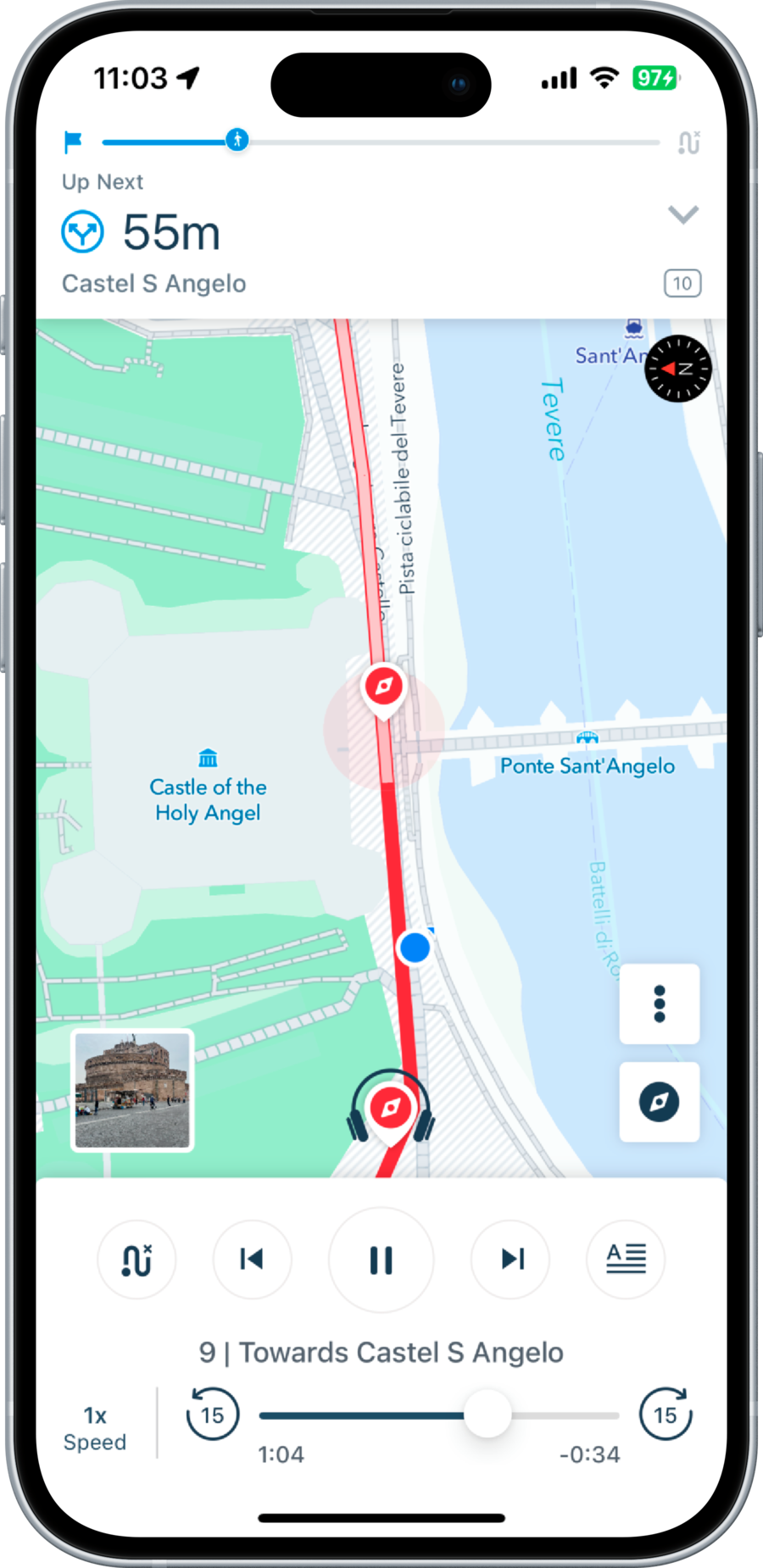
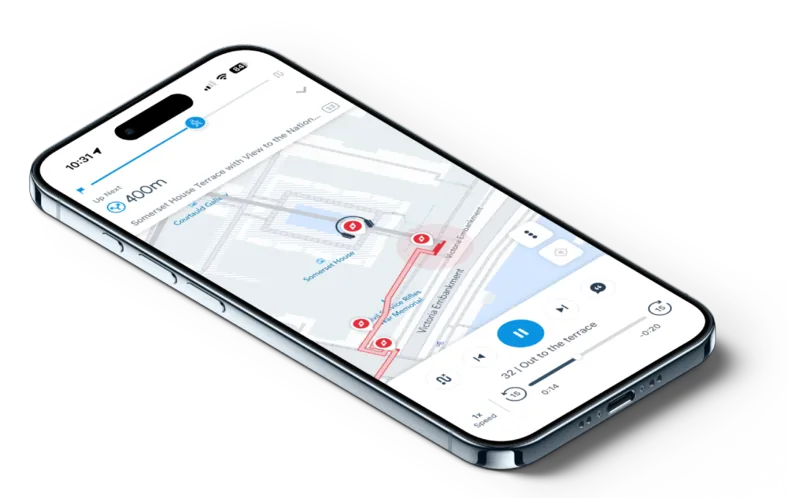
- Download tours to use them offline
- Listen hands-free with GPS playback
- Get turn-by-turn directions


Scan to get app
Download the app for free
VoiceMap




 App of the Day

 Editor’s Choice






Itchy feet? Us too
VoiceMap’s newsletter scratches that itch and stimulates your senses,
every fortnight. Curiosity is the only currency you need to subscribe.

Exploring is easier with a VoiceMap account
To purchase tours, add them to a wishlist, or access them with the VoiceMap app, please sign in or create a VoiceMap account


Exploring is easier with a VoiceMap account
To purchase tours, add them to a wishlist, or access them with the VoiceMap app, please sign in or create a VoiceMap account