






ATTRACTION
Budapest Operetta Theatre,
Budapest

About
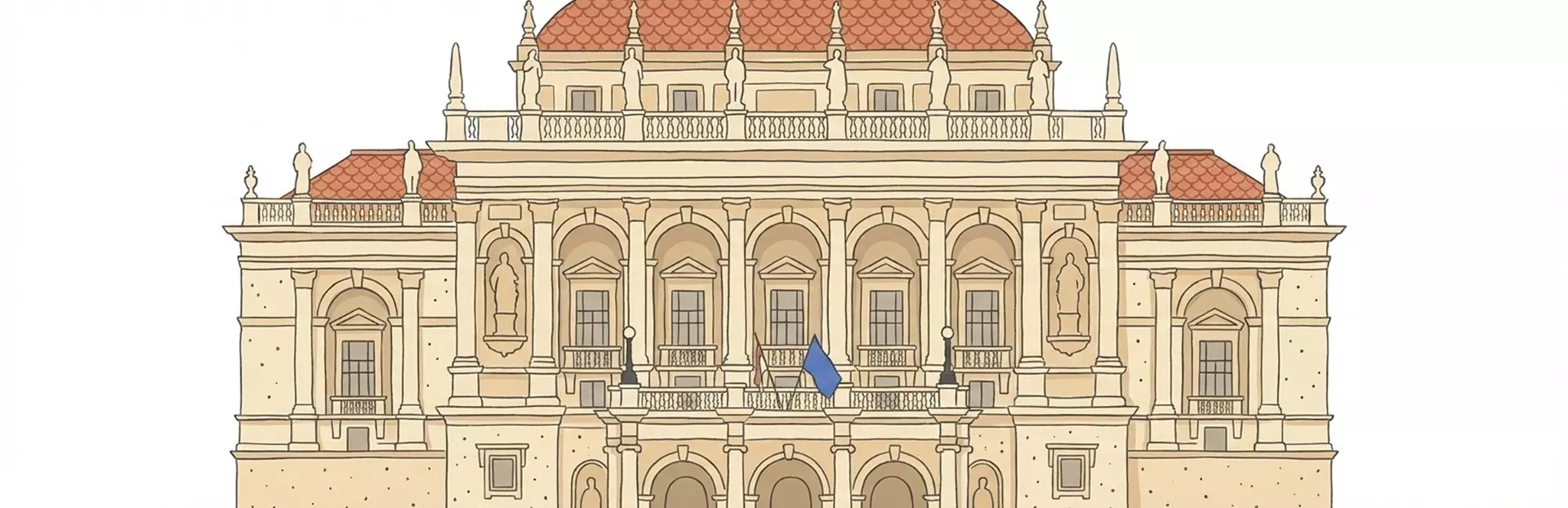
The Budapest Operetta Theatre hides a peculiar secret: while its modest two-storey facade sits at 17 Nagymező utca, the actual auditorium and fly tower are tucked into the inner courtyards between three streets, completely invisible from the pavement.
The Viennese architects Fellner and Helmer, who designed nearly 50 theatres across Europe in the late 19th century, created this 1894 building for a circus impresario named Károly Somossy. He went spectacularly bankrupt five years later, eventually dying penniless after one last ill-fated venture: a pleasure park on a Danube island called "Constantinople in Budapest."
The theatre's fortunes fared better. Reopened in March 1945, just weeks after Budapest's siege ended, with a production of Imre Kálmán's "Csárdás Princess" that became the operetta's defining staging. A lyre crowning the roofline marks the building's purpose for those who know to look up.
VoiceMap's self-guided audio tours explore Nagymező utca's theatrical heritage, tracing the street's transformation into Budapest's Broadway and the cultural institutions clustered along this entertainment corridor.
The Viennese architects Fellner and Helmer, who designed nearly 50 theatres across Europe in the late 19th century, created this 1894 building for a circus impresario named Károly Somossy. He went spectacularly bankrupt five years later, eventually dying penniless after one last ill-fated venture: a pleasure park on a Danube island called "Constantinople in Budapest."
The theatre's fortunes fared better. Reopened in March 1945, just weeks after Budapest's siege ended, with a production of Imre Kálmán's "Csárdás Princess" that became the operetta's defining staging. A lyre crowning the roofline marks the building's purpose for those who know to look up.
VoiceMap's self-guided audio tours explore Nagymező utca's theatrical heritage, tracing the street's transformation into Budapest's Broadway and the cultural institutions clustered along this entertainment corridor.

Tours featuring Budapest Operetta Theatre (2)

Local Legends
Medieval History
Politics
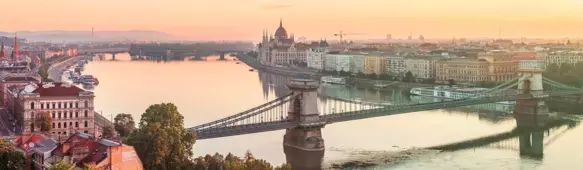
Uncover history, folklore and famous stories that shaped downtown Budapest

 Walking Tour
|
 90 mins
Top Sights
Celebrities And Gossip
Film And TV
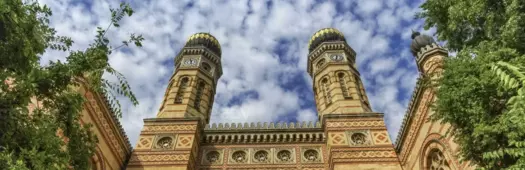
Admire magnificent synagogues and murals in this quirky and storied neighborhood
Walking Tour
|
90 mins
Download the app for free
VoiceMap
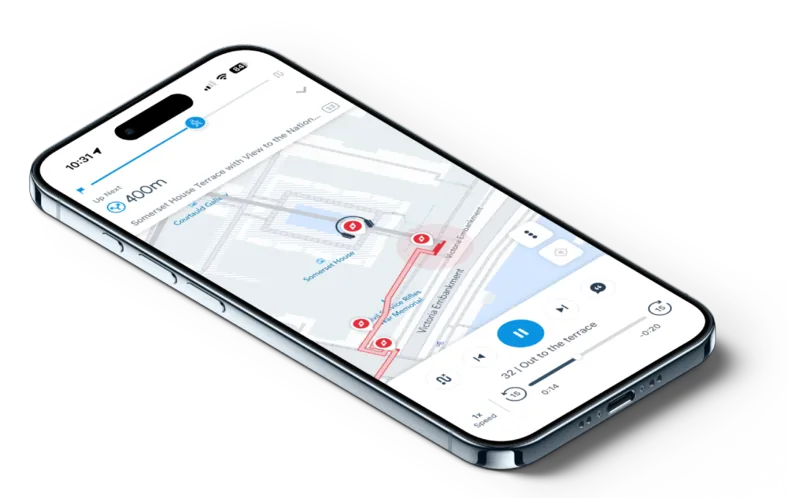
- Download tours to use them offline
- Listen hands-free with GPS playback
- Get turn-by-turn directions


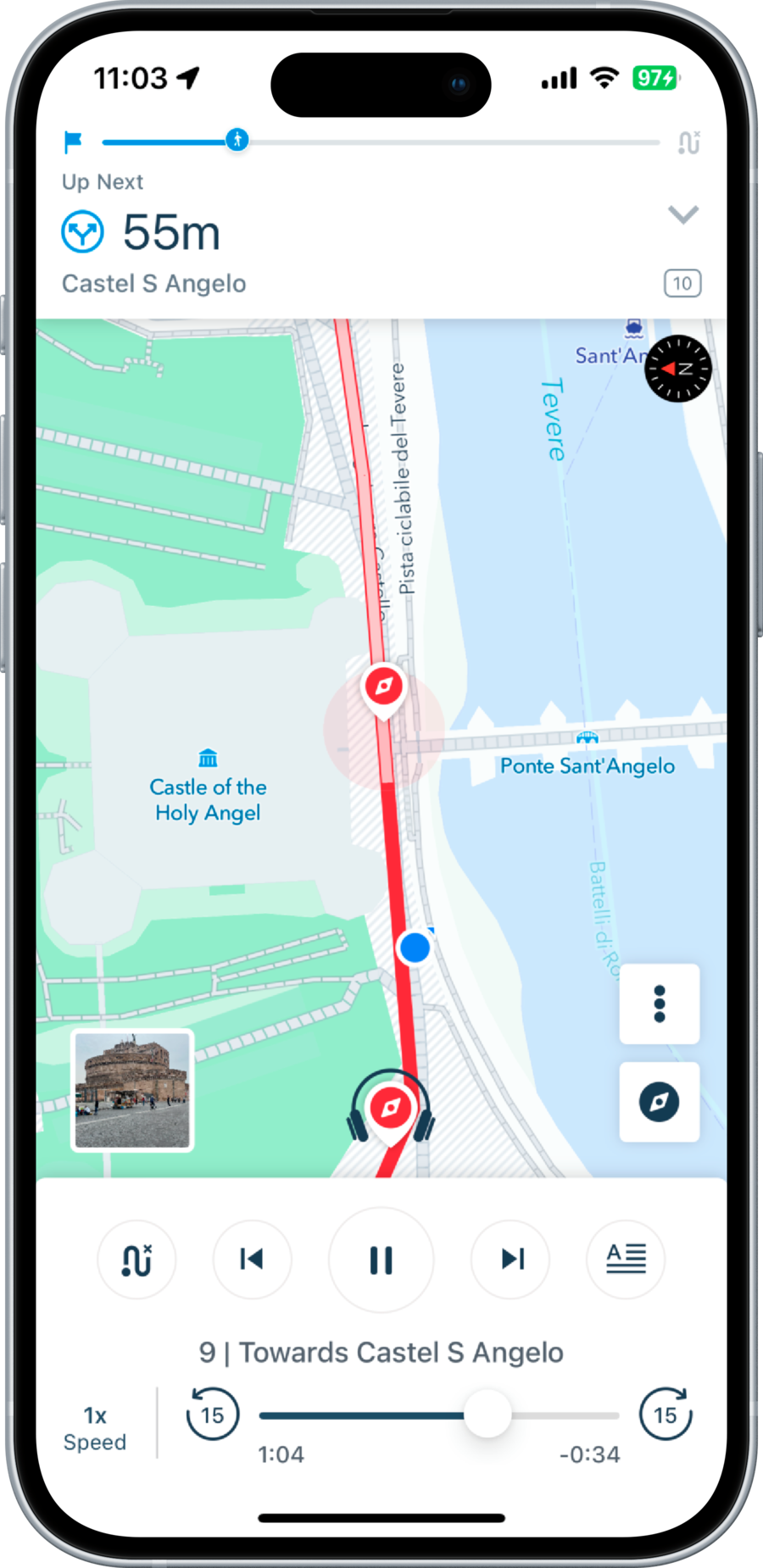
Scan to get app
Download the app for free
VoiceMap




 App of the Day

 Editor’s Choice






Itchy feet? Us too
VoiceMap’s newsletter scratches that itch and stimulates your senses,
every fortnight. Curiosity is the only currency you need to subscribe.

Exploring is easier with a VoiceMap account
To purchase tours, add them to a wishlist, or access them with the VoiceMap app, please sign in or create a VoiceMap account


Exploring is easier with a VoiceMap account
To purchase tours, add them to a wishlist, or access them with the VoiceMap app, please sign in or create a VoiceMap account