






ATTRACTION
Széchenyi Thermal Bath,
Budapest

About
It took ten years of drilling through nearly a kilometre of rock before engineers struck water in 1875, but the thermal spring they found beneath Budapest's City Park would eventually fill Europe's largest medicinal bath complex.
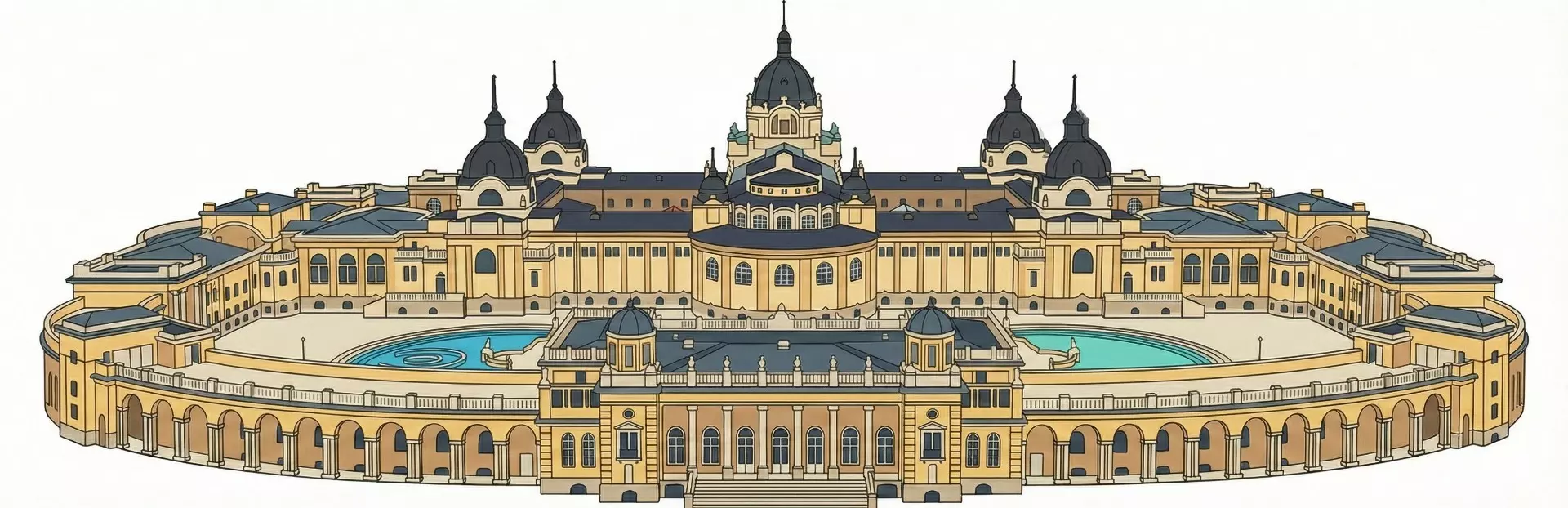
Széchenyi Thermal Bath opened in 1913 in a grand neo-baroque palace designed by Győző Czigler, and within six years was welcoming nearly 900,000 visitors annually. The water rises from 1,256 metres underground at 77°C, pumping six million litres daily through 18 pools.
The baths are named for Count István Széchenyi, a reformer so influential that Hungarians simply call him "the Greatest Hungarian." Originally built with strictly separate male and female sections, the symmetrical layout only merged in the 1970s. The architect who designed the 1927 outdoor expansion, Imre Francsek, later perished in a Soviet gulag.
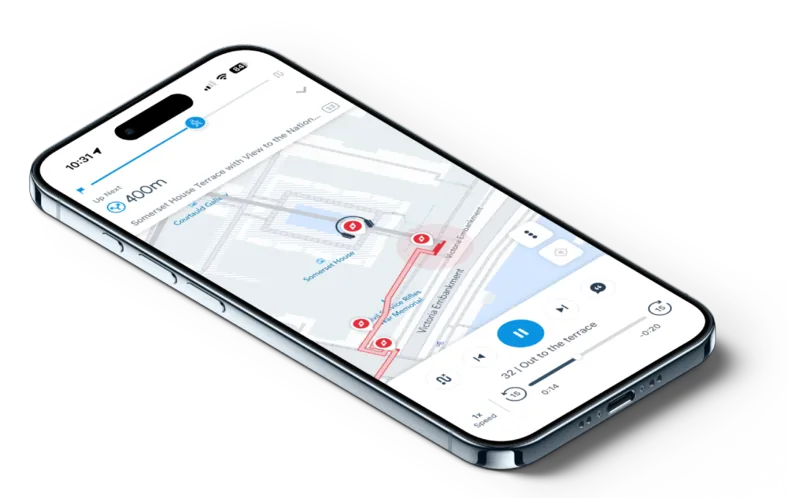
VoiceMap's self-guided audio tours through City Park place the baths within Budapest's wider thermal tradition, tracing the line from Roman Aquincum through Ottoman hammams to this yellow palace where chess players still hunch over floating boards in steaming water.
Széchenyi Thermal Bath opened in 1913 in a grand neo-baroque palace designed by Győző Czigler, and within six years was welcoming nearly 900,000 visitors annually. The water rises from 1,256 metres underground at 77°C, pumping six million litres daily through 18 pools.
The baths are named for Count István Széchenyi, a reformer so influential that Hungarians simply call him "the Greatest Hungarian." Originally built with strictly separate male and female sections, the symmetrical layout only merged in the 1970s. The architect who designed the 1927 outdoor expansion, Imre Francsek, later perished in a Soviet gulag.
VoiceMap's self-guided audio tours through City Park place the baths within Budapest's wider thermal tradition, tracing the line from Roman Aquincum through Ottoman hammams to this yellow palace where chess players still hunch over floating boards in steaming water.

Tours featuring Széchenyi Thermal Bath (2)

UNESCO Sites
Parks And Gardens
Top Sights
Discover the hot pools and horse heroes of beautiful Budapest

 Walking Tour
|
 60 mins

Parks And Gardens
Modern History
Medieval History
Track down tales about vampires, elephants, and castles in Budapest’s City Park
 Walking Tour
|
75 mins
Download the app for free
VoiceMap
- Download tours to use them offline
- Listen hands-free with GPS playback
- Get turn-by-turn directions


Scan to get app
Download the app for free
VoiceMap




 App of the Day

 Editor’s Choice






Itchy feet? Us too
VoiceMap’s newsletter scratches that itch and stimulates your senses,
every fortnight. Curiosity is the only currency you need to subscribe.

Exploring is easier with a VoiceMap account
To purchase tours, add them to a wishlist, or access them with the VoiceMap app, please sign in or create a VoiceMap account


Exploring is easier with a VoiceMap account
To purchase tours, add them to a wishlist, or access them with the VoiceMap app, please sign in or create a VoiceMap account