







ATTRACTION
Auwal Masjid,
Cape Town


About
South Africa's oldest mosque began as a clandestine prayer meeting in a private home. When the British occupied the Cape between 1795 and 1802, Muslims were permitted to worship freely for the first time. A freed slave named Coridon of Ceylon opened his Dorp Street home for gatherings. That building eventually became the Auwal Mosque in 1804. Auwal means "one" in Arabic.
The mosque's founding figure was Tuan Guru, meaning "Lord Teacher," a prince from the Indonesian island of Tidore who arrived as a Dutch political prisoner in 1780. During thirteen years on Robben Island, he wrote three near-perfect copies of the Qur'an from memory. His handwritten Koran and walking stick remain inside the mosque today.
VoiceMap's self-guided audio tours trace the mosque's origins through Bo-Kaap's layered history of slavery, exile and faith, connecting it to the broader story of how Cape Muslim identity was forged under occupation.
The mosque's founding figure was Tuan Guru, meaning "Lord Teacher," a prince from the Indonesian island of Tidore who arrived as a Dutch political prisoner in 1780. During thirteen years on Robben Island, he wrote three near-perfect copies of the Qur'an from memory. His handwritten Koran and walking stick remain inside the mosque today.
VoiceMap's self-guided audio tours trace the mosque's origins through Bo-Kaap's layered history of slavery, exile and faith, connecting it to the broader story of how Cape Muslim identity was forged under occupation.

Tours featuring Auwal Masjid (3)


Colonial History
Neighbourhoods
Local Legends
Stroll through the village in the city, with lifelong resident Shereen Habib


 Walking Tour
|
 60 mins

Colonial History
Architecture
Museums
Uncover the fascinating stories that shaped the colourful Bo-Kaap
 Walking Tour
|
40 mins

Colonial History
Museums
Architecture
Die Geschichten zu hören, die zur Entwicklung vom Bo-Kaap beigetragen haben
Walking Tour
|
45 mins
Download the app for free
VoiceMap
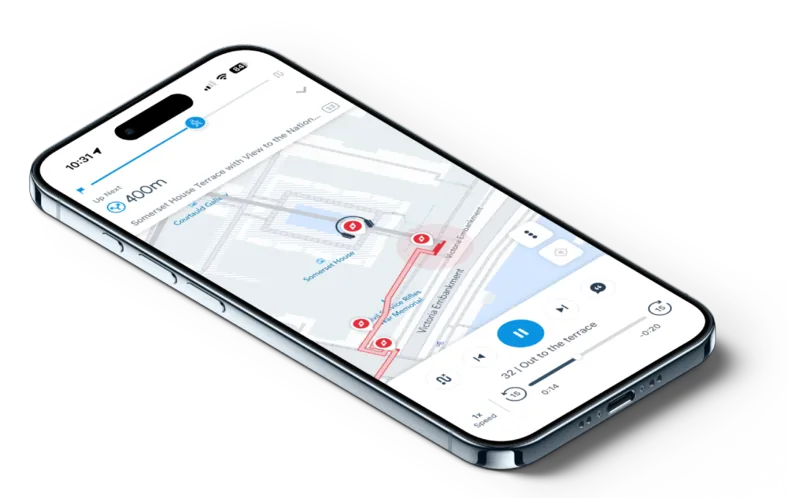
- Download tours to use them offline
- Listen hands-free with GPS playback
- Get turn-by-turn directions


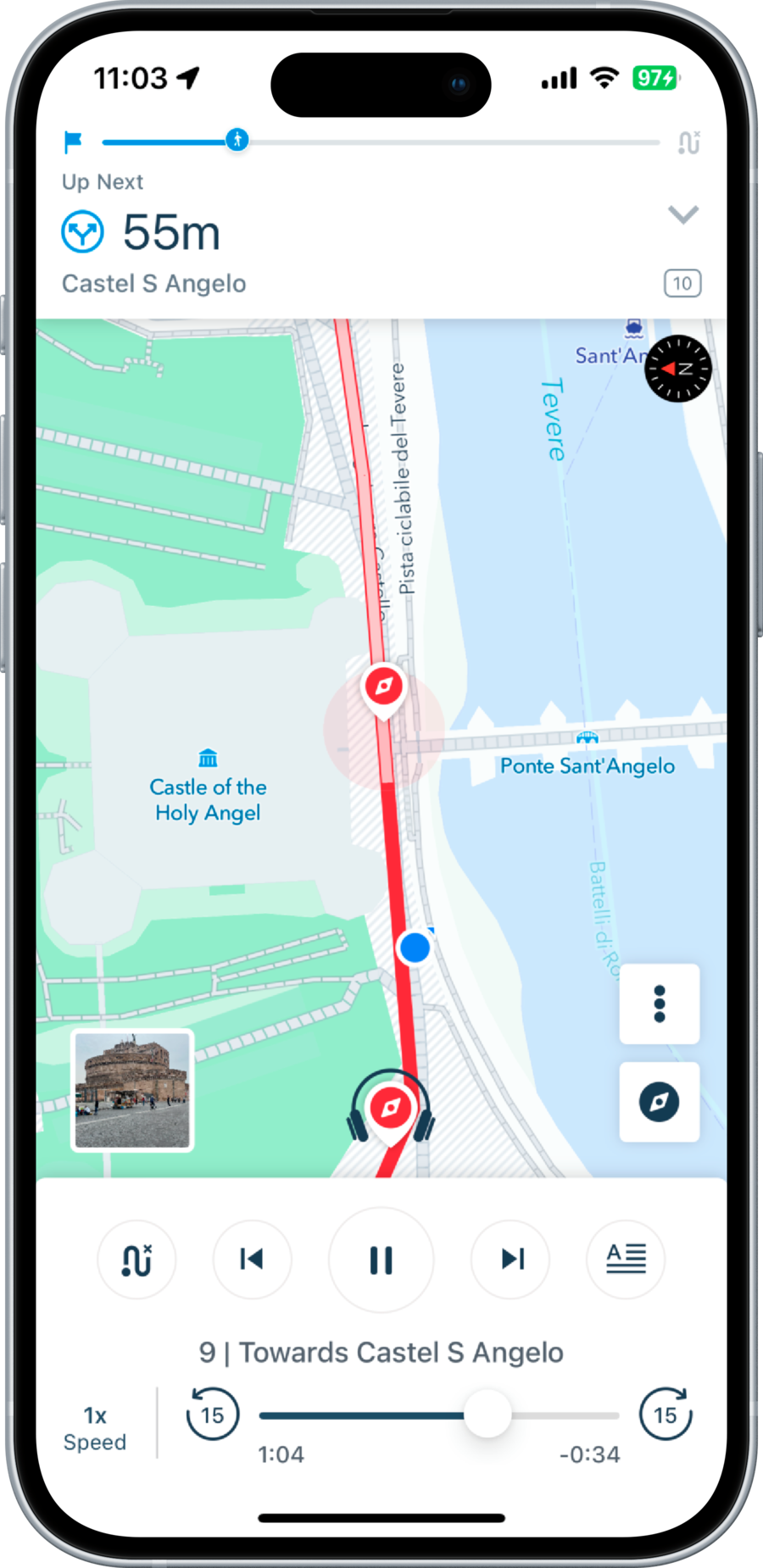
Scan to get app
Download the app for free
VoiceMap




 App of the Day

 Editor’s Choice






Itchy feet? Us too
VoiceMap’s newsletter scratches that itch and stimulates your senses,
every fortnight. Curiosity is the only currency you need to subscribe.

Exploring is easier with a VoiceMap account
To purchase tours, add them to a wishlist, or access them with the VoiceMap app, please sign in or create a VoiceMap account


Exploring is easier with a VoiceMap account
To purchase tours, add them to a wishlist, or access them with the VoiceMap app, please sign in or create a VoiceMap account