



ATTRACTION
Capela de São Miguel,
Castelo Branco


About
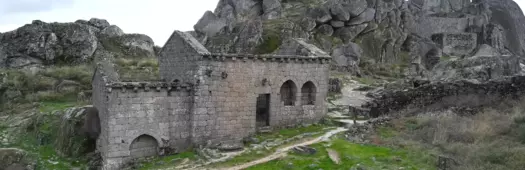
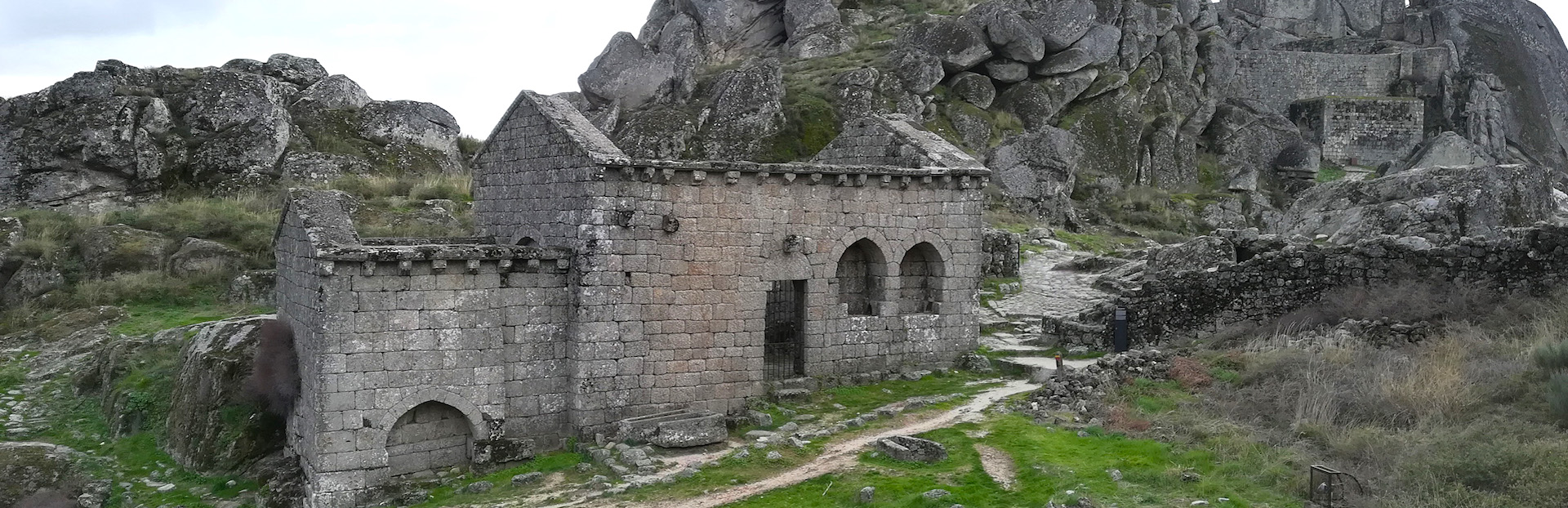
Some of the graves around the Chapel of São Miguel are older than the chapel itself.
More than a dozen tombs are carved straight into the rock here. Similar graves elsewhere in the Iberian Peninsula date to the Suevi and Visigoths, who ruled after Rome fell, around the 600s. People were probably burying their dead on this hilltop long before a church arrived.
The Templars raised the Romanesque chapel after the Christian reconquest in the 1100s, probably over an older temple. It became the first parish church of Monsanto's Upper Town and stayed in service until the mid-1800s.
Stone sarcophagi and three arched recesses along its north wall probably held knights and senior churchmen. A defensive wall, likely thrown up in haste around 1762, partly covers five of the rock-cut tombs.
VoiceMap's self-guided audio tour walks you round the roofless ruin, from the carved graves to the bell tower standing apart, and explains what each clue reveals.

Tours featuring Capela de São Miguel (4)

Scenic Routes
War And Military
Top Sights
Walk along boulders and rocks to explore one of Portugal’s most famous sites

 Walking Tour
|
 60 mins
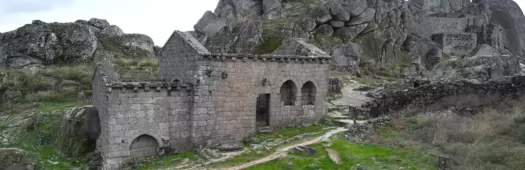
Caminhe por entre penedos e rochas numa exploração do topo do Cabeço de Monsanto
Walking Tour
|
60 mins
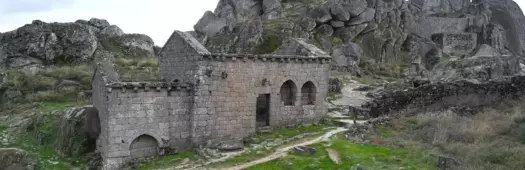
Camine entre las rocas y las peñas y explore la cima del Monte de Monsanto
Walking Tour
|
60 mins

New Tour
No ratings yet
$5.99
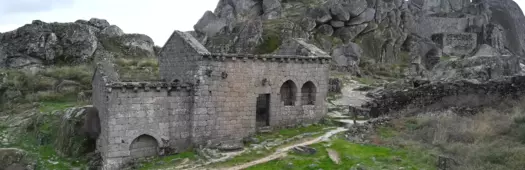
Une exploration détaillée du sommet du Mont de Monsanto
Walking Tour
|
60 mins
New Tour
No ratings yet
$5.99
Download the app for free
VoiceMap
- Download tours to use them offline
- Listen hands-free with GPS playback
- Get turn-by-turn directions


Scan to get app
Download the app for free
VoiceMap




 App of the Day

 Editor’s Choice



Explore Castelo Branco
9 self-guided VoiceMap tours you
can do at your own pace
View Castelo Branco Tours



Itchy feet? Us too
VoiceMap’s newsletter scratches that itch and stimulates your senses, every fortnight. Curiosity is the only currency you need to subscribe.

Exploring is easier with a VoiceMap account
To purchase tours, add them to a wishlist, or access them with the VoiceMap app, please sign in or create a VoiceMap account


Exploring is easier with a VoiceMap account
To purchase tours, add them to a wishlist, or access them with the VoiceMap app, please sign in or create a VoiceMap account