





ATTRACTION
Puente de Triana,
Seville


About
For seven centuries, the only way across the Guadalquivir here was a pontoon bridge of thirteen boats chained together. The Puente de Barcas, first built by the Almohad dynasty in 1172, was dangerous in bad weather and frequently out of action for months. Sandy soil and irregular river flow made a permanent crossing almost impossible. This may explain why Triana, on the far bank, developed such a fiercely independent identity.
The bridge today was built by French engineers in 1852, modelled on one across the Seine in Paris. Officially named after Queen Isabella II, everyone calls it the Puente de Triana. It marks the threshold between Seville's historic centre and a neighbourhood famous for flamenco, ceramics and fierce local pride.
VoiceMap's self-guided audio tours use the bridge to trace Triana's story, from its Roma roots in flamenco and forges to the Inquisition headquarters that once loomed beside the river.
The bridge today was built by French engineers in 1852, modelled on one across the Seine in Paris. Officially named after Queen Isabella II, everyone calls it the Puente de Triana. It marks the threshold between Seville's historic centre and a neighbourhood famous for flamenco, ceramics and fierce local pride.
VoiceMap's self-guided audio tours use the bridge to trace Triana's story, from its Roma roots in flamenco and forges to the Inquisition headquarters that once loomed beside the river.

Tours featuring Puente de Triana (2)

Colonial History
Modern History
Fine Art
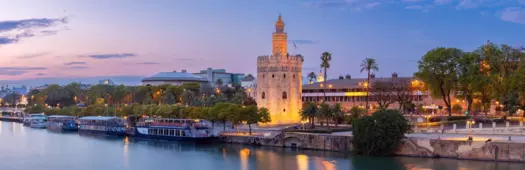
Explore the city's fascinating past as the trading hub for Spain’s global empire

 Walking Tour
|
 120 mins
Religious Sites
Architecture
Food And Drink
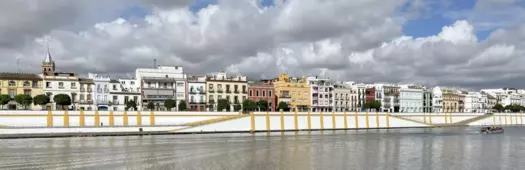
Uncover the working-class roots behind Andalusia’s greatest art forms
Walking Tour
|
90 mins
Download the app for free
VoiceMap
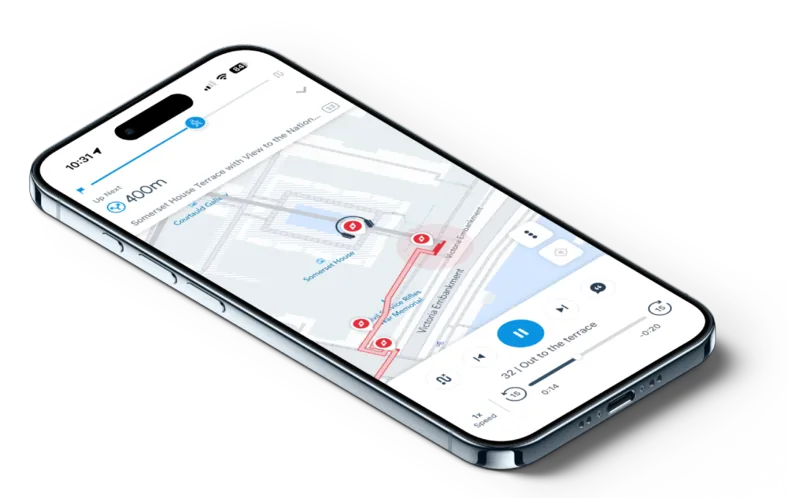
- Download tours to use them offline
- Listen hands-free with GPS playback
- Get turn-by-turn directions


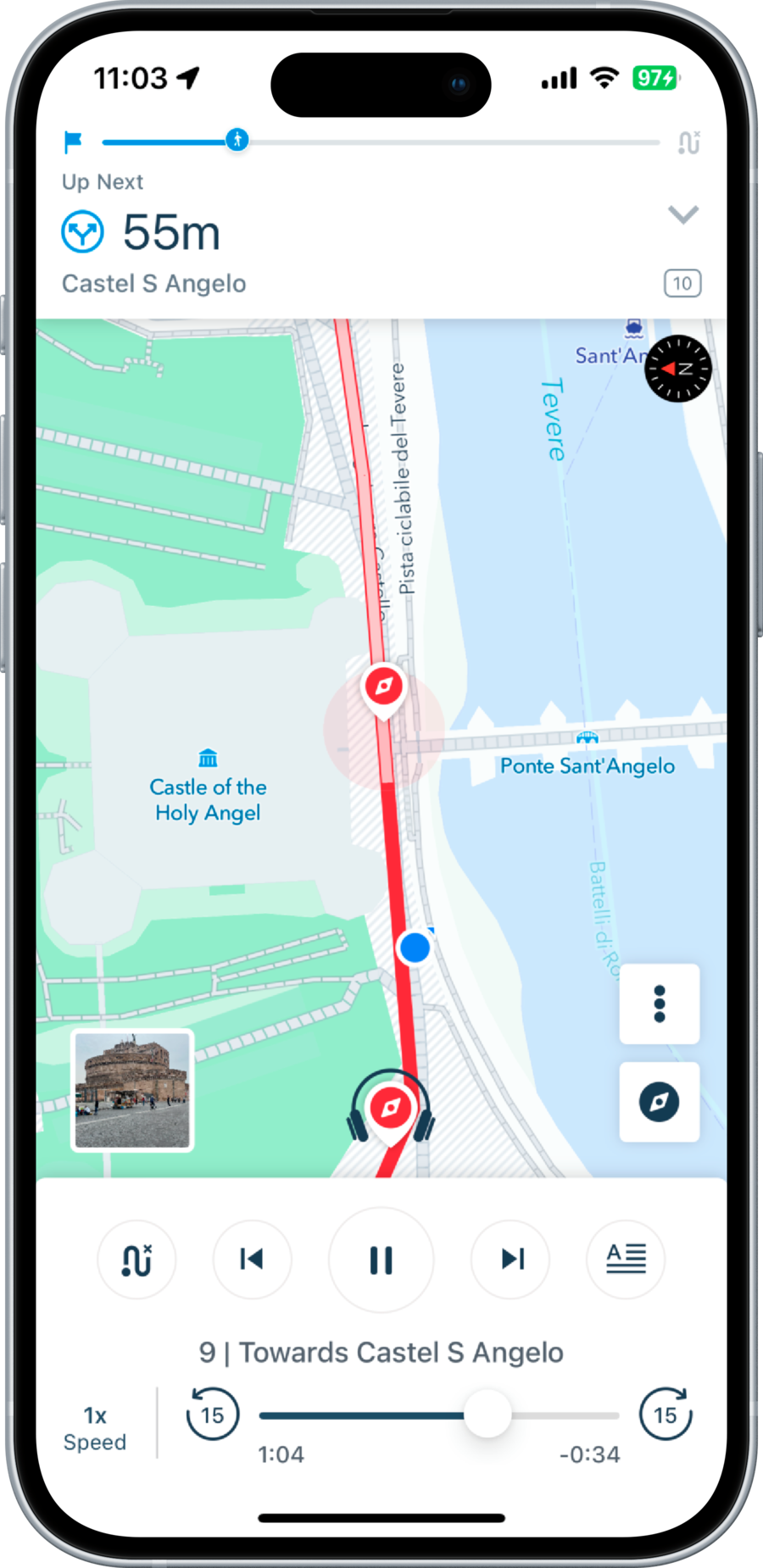
Scan to get app
Download the app for free
VoiceMap




 App of the Day

 Editor’s Choice






Itchy feet? Us too
VoiceMap’s newsletter scratches that itch and stimulates your senses,
every fortnight. Curiosity is the only currency you need to subscribe.

Exploring is easier with a VoiceMap account
To purchase tours, add them to a wishlist, or access them with the VoiceMap app, please sign in or create a VoiceMap account


Exploring is easier with a VoiceMap account
To purchase tours, add them to a wishlist, or access them with the VoiceMap app, please sign in or create a VoiceMap account