







ATTRACTION
The Mosque-Cathedral of Córdoba,
Córdoba

About
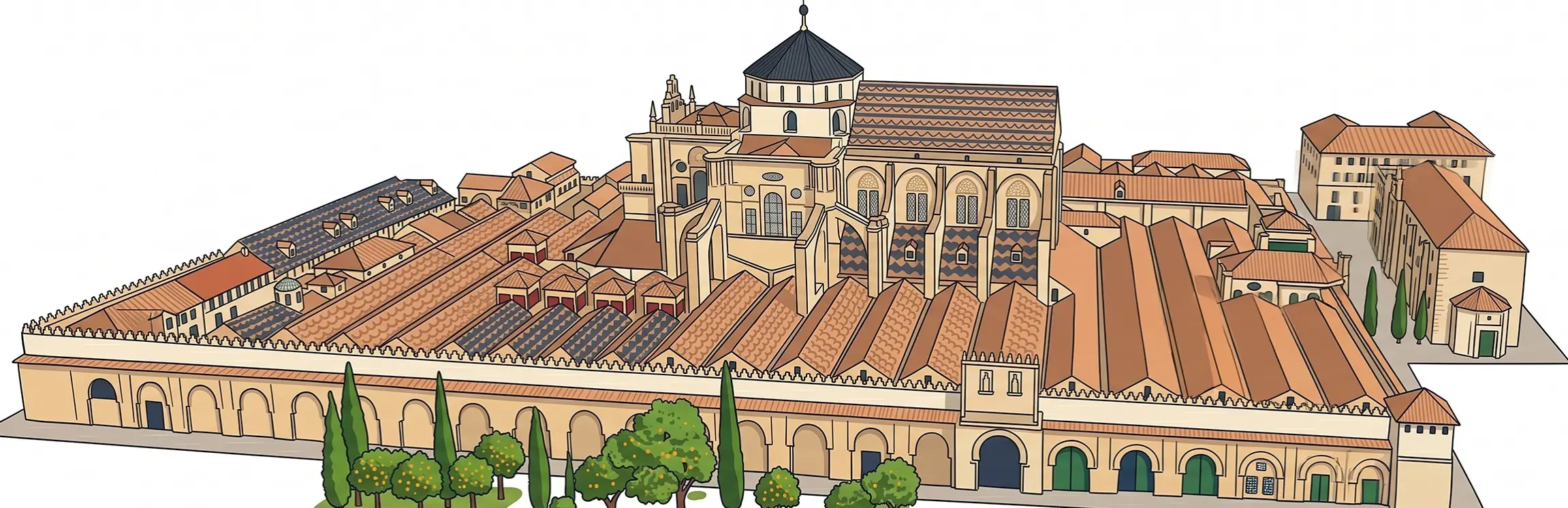
The Mosque-Cathedral of Córdoba is one of the most arresting buildings in Europe, partly because it cannot quite decide what it is.
It was built in 786 by the Umayyad prince Abd al-Rahman, who had fled Damascus after his family's massacre. It eventually grew through four expansions until it could hold 30,000 worshippers, becoming the second largest mosque in the world after Mecca. When the Christians conquered Córdoba in the 1200s, they left the Islamic structure standing but inserted a Gothic nave through its heart. Charles V, who ordered that intervention, reportedly regretted it.
Inside, rows of red and white double-tiered arches create a hypnotic rhythm. The bell tower conceals a tenth-century minaret within its Renaissance stonework.
VoiceMap's tours trace the building's layered identity, following its expansions from a modest Friday mosque to a caliphal monument. They unpick how Muslim, Visigothic and Christian elements ended up woven into the same walls.
It was built in 786 by the Umayyad prince Abd al-Rahman, who had fled Damascus after his family's massacre. It eventually grew through four expansions until it could hold 30,000 worshippers, becoming the second largest mosque in the world after Mecca. When the Christians conquered Córdoba in the 1200s, they left the Islamic structure standing but inserted a Gothic nave through its heart. Charles V, who ordered that intervention, reportedly regretted it.
Inside, rows of red and white double-tiered arches create a hypnotic rhythm. The bell tower conceals a tenth-century minaret within its Renaissance stonework.
VoiceMap's tours trace the building's layered identity, following its expansions from a modest Friday mosque to a caliphal monument. They unpick how Muslim, Visigothic and Christian elements ended up woven into the same walls.

Tours featuring the Mosque-Cathedral of Córdoba (4)

Ancient History
Medieval History
UNESCO Sites
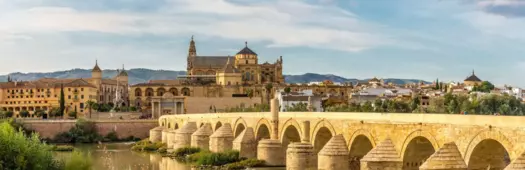
See interwoven Muslim, Christian and Jewish heritage in the charming Roman city

 Walking Tour
|
 180 mins
Religious Sites
Architecture
Medieval History
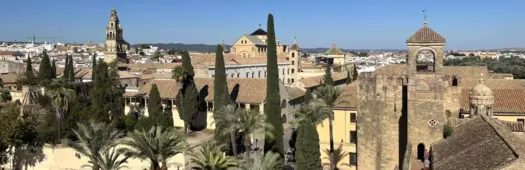
Immerse yourself in the atmospheric old town, once at Western Europe's centre
Walking Tour
|
75 mins
Medieval History
Architecture
UNESCO Sites
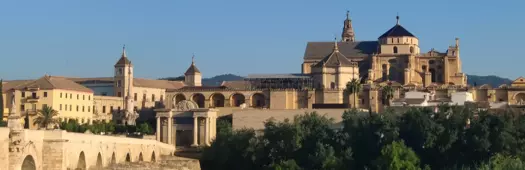
Admire the foundational traces left by three cultures in the heart of Andalusia
 Walking Tour
|
120 mins
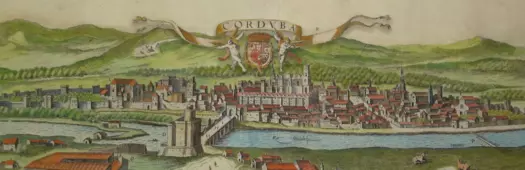
Medieval History
Scenic Routes
Architecture
Take in the northern and eastern cityscapes with an architect as your guide
Walking Tour
|
90 mins
Download the app for free
VoiceMap
- Download tours to use them offline
- Listen hands-free with GPS playback
- Get turn-by-turn directions


Scan to get app
Download the app for free
VoiceMap




 App of the Day

 Editor’s Choice







Itchy feet? Us too
VoiceMap’s newsletter scratches that itch and stimulates your senses,
every fortnight. Curiosity is the only currency you need to subscribe.

Exploring is easier with a VoiceMap account
To purchase tours, add them to a wishlist, or access them with the VoiceMap app, please sign in or create a VoiceMap account


Exploring is easier with a VoiceMap account
To purchase tours, add them to a wishlist, or access them with the VoiceMap app, please sign in or create a VoiceMap account