







ATTRACTION
Plaça de Cort,
Palma

About
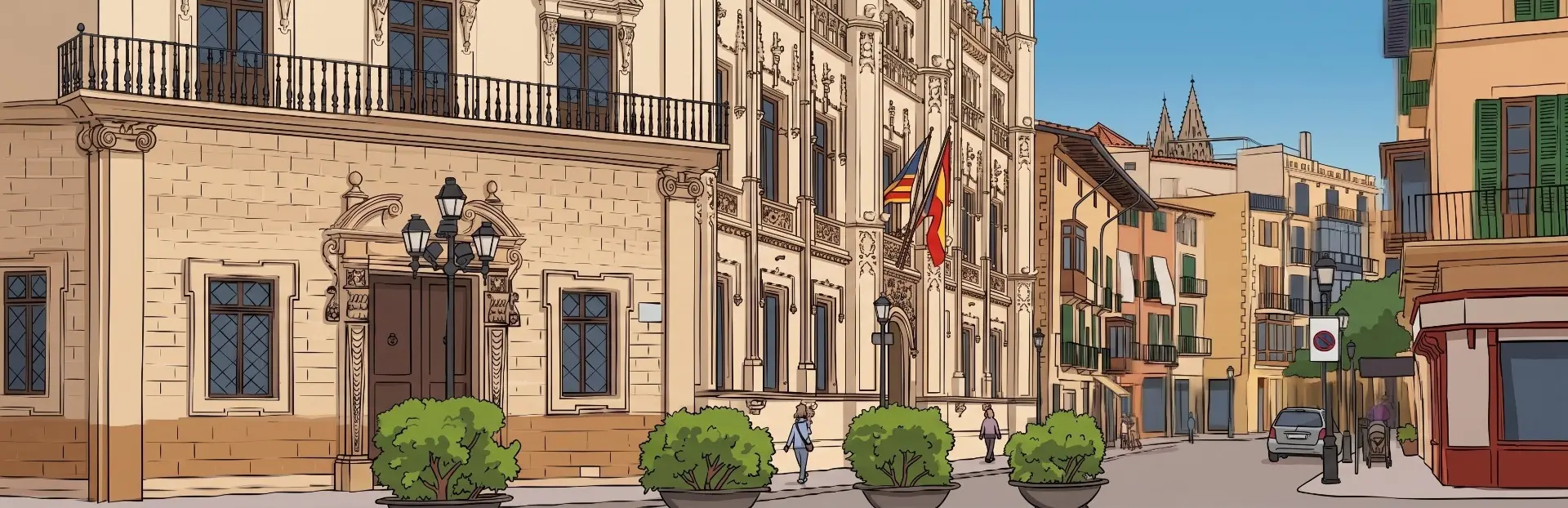
Plaça de Cort is where Palma began. After James I conquered the island in the thirteenth century, this was where he gathered the four nobles who'd helped him and divided Mallorca between them.
The City Hall that dominates the square today is a Baroque structure from the seventeenth century, though the building it replaced served as a hospital and university during the Middle Ages.
Look closely at the facade and you'll find two discreet carvings by the doorway: a snail and a dragon. They are the secret signatures of craftsmen Jaume Caragol and Francesc Dragó, who were forbidden from inscribing their names and found another way.
The ancient olive tree nearby, brought from the Serra de Tramuntana, is said to hide a witch's face in its bark.
VoiceMap's tours use the square to anchor Palma's full civic history, from the medieval conquest through the Baroque rebuilding to the festivals and demonstrations that still fill it today.
The City Hall that dominates the square today is a Baroque structure from the seventeenth century, though the building it replaced served as a hospital and university during the Middle Ages.
Look closely at the facade and you'll find two discreet carvings by the doorway: a snail and a dragon. They are the secret signatures of craftsmen Jaume Caragol and Francesc Dragó, who were forbidden from inscribing their names and found another way.
The ancient olive tree nearby, brought from the Serra de Tramuntana, is said to hide a witch's face in its bark.
VoiceMap's tours use the square to anchor Palma's full civic history, from the medieval conquest through the Baroque rebuilding to the festivals and demonstrations that still fill it today.

Tours featuring Plaça de Cort (3)

Local Legends
Architecture
Oddities And Rarities
Discover ancient palaces, churches and hidden patios on a stroll through Palma

 Walking Tour
|
 75 mins
Local Legends
Medieval History
Oddities And Rarities
Profitez d’une promenade ludique pour découvrir le centre historique de Palma
Walking Tour
|
60 mins
Local Legends
Medieval History
Architecture
Disfruta de un paseo entretenido para descubrir el casco antiguo de Palma
Walking Tour
|
60 mins
Download the app for free
VoiceMap
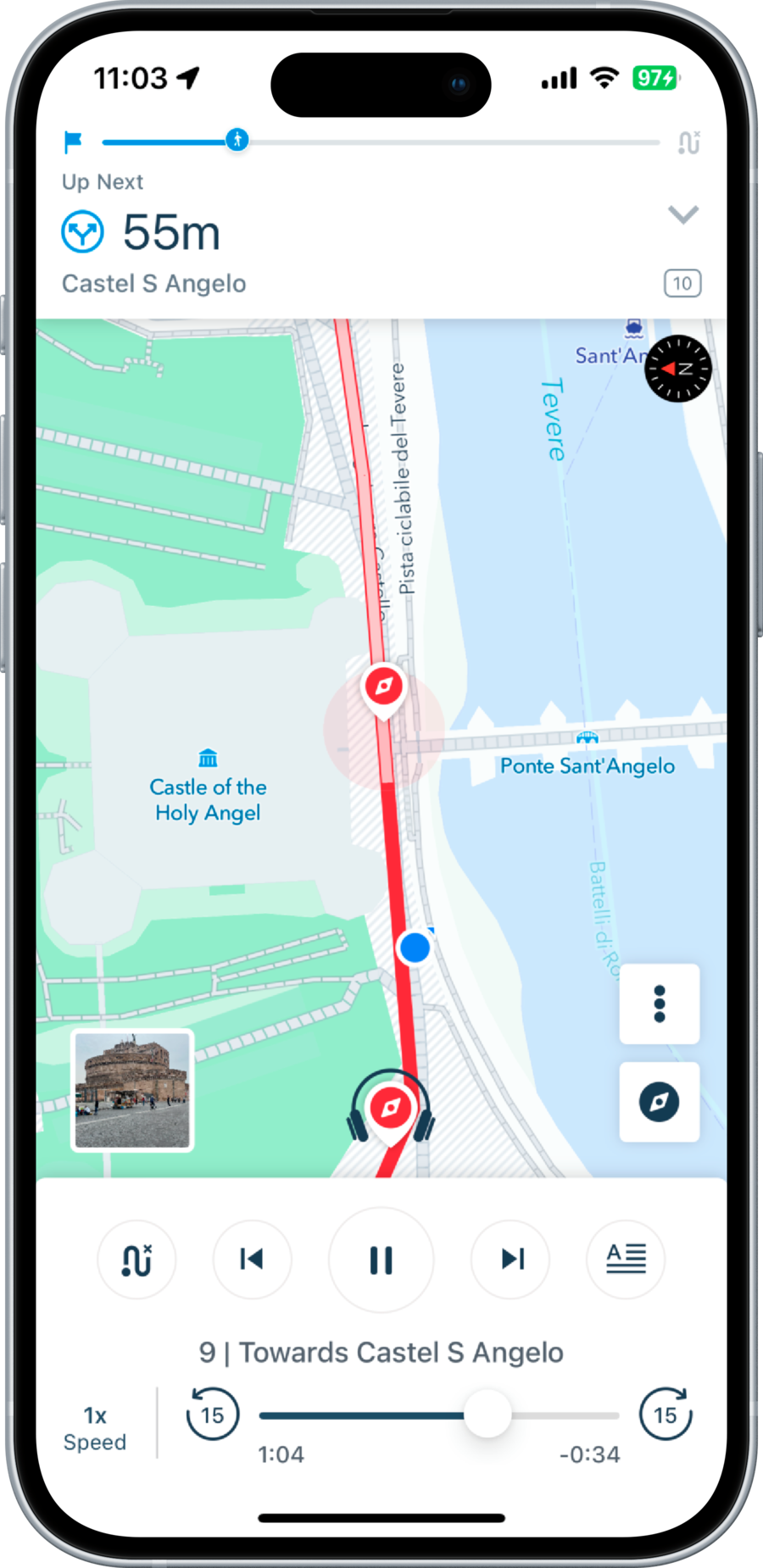
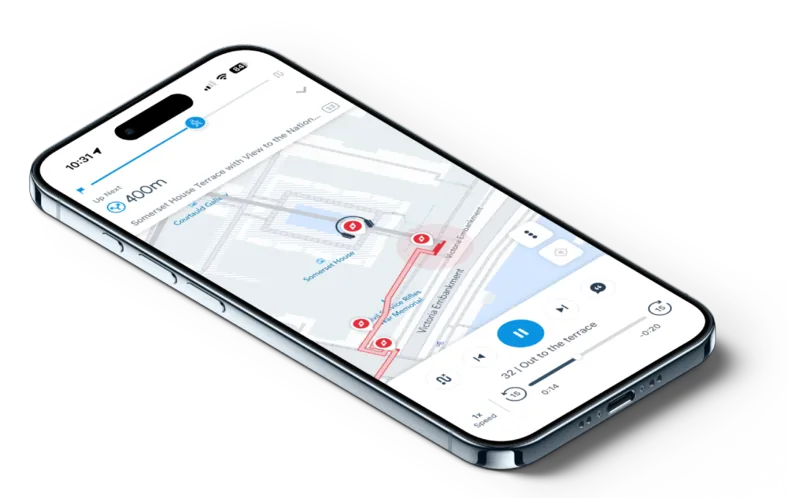
- Download tours to use them offline
- Listen hands-free with GPS playback
- Get turn-by-turn directions


Scan to get app
Download the app for free
VoiceMap




 App of the Day

 Editor’s Choice






Itchy feet? Us too
VoiceMap’s newsletter scratches that itch and stimulates your senses,
every fortnight. Curiosity is the only currency you need to subscribe.

Exploring is easier with a VoiceMap account
To purchase tours, add them to a wishlist, or access them with the VoiceMap app, please sign in or create a VoiceMap account


Exploring is easier with a VoiceMap account
To purchase tours, add them to a wishlist, or access them with the VoiceMap app, please sign in or create a VoiceMap account