







ATTRACTION
The Llotja de Palma,
Palma

About
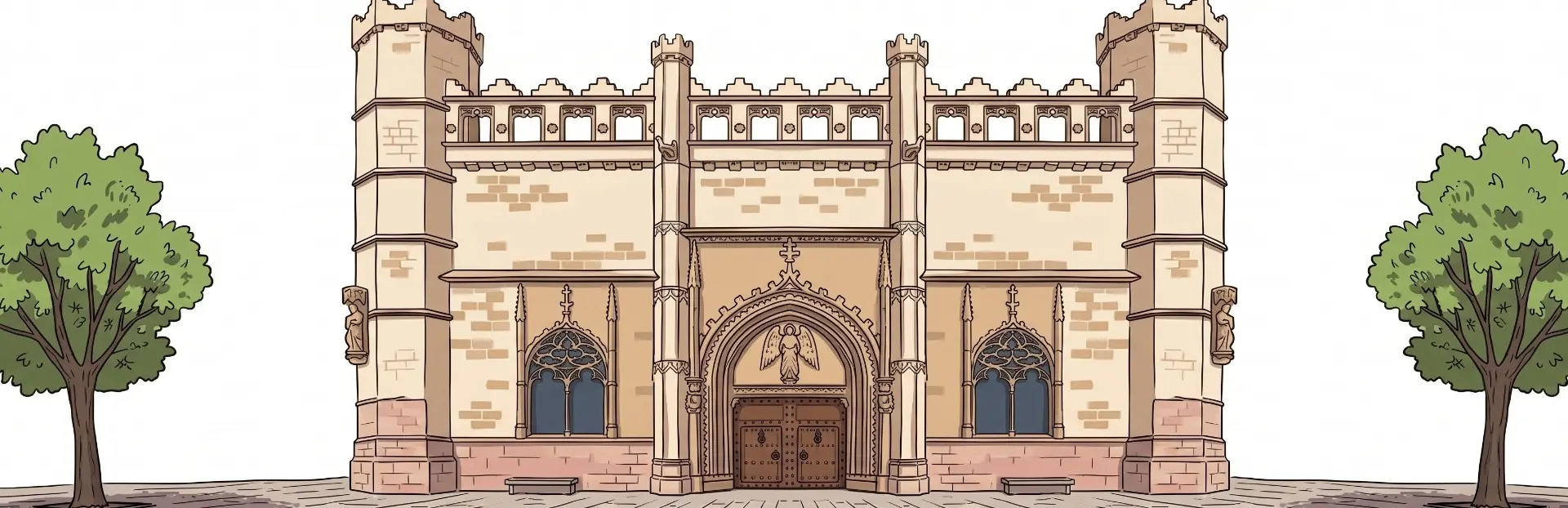
Llotja de Palma, Palma's 15th-century Gothic exchange, looks exactly like a church. It isn't. Built in 1428 by Majorcan architect Guillermo Sagrera, it was designed to handle something altogether more worldly: the commerce of ships arriving after months at sea.
Before a broad coastal avenue reshaped the waterfront in the 1960s, the sea lapped right up to Llotja de Palma's walls. Merchants would moor here, then step inside to declare their cargo and fix prices with buyers. Above the entrance, a carved angel watched over it all, the sailors' guardian, thanked in person by those who'd made it home alive.
VoiceMap's self-guided audio tours trace the Llotja's role in Palma's maritime economy, explaining how the coastline itself has changed and connecting the building to the layered medieval quarter that grew up around it.
Before a broad coastal avenue reshaped the waterfront in the 1960s, the sea lapped right up to Llotja de Palma's walls. Merchants would moor here, then step inside to declare their cargo and fix prices with buyers. Above the entrance, a carved angel watched over it all, the sailors' guardian, thanked in person by those who'd made it home alive.
VoiceMap's self-guided audio tours trace the Llotja's role in Palma's maritime economy, explaining how the coastline itself has changed and connecting the building to the layered medieval quarter that grew up around it.

Tours featuring the Llotja de Palma (3)

Local Legends
Architecture
Oddities And Rarities
Discover ancient palaces, churches and hidden patios on a stroll through Palma

 Walking Tour
|
 75 mins
Local Legends
Medieval History
Oddities And Rarities
Profitez d’une promenade ludique pour découvrir le centre historique de Palma
Walking Tour
|
60 mins
Local Legends
Medieval History
Architecture
Disfruta de un paseo entretenido para descubrir el casco antiguo de Palma
Walking Tour
|
60 mins
Download the app for free
VoiceMap
- Download tours to use them offline
- Listen hands-free with GPS playback
- Get turn-by-turn directions


Scan to get app
Download the app for free
VoiceMap




 App of the Day

 Editor’s Choice






Itchy feet? Us too
VoiceMap’s newsletter scratches that itch and stimulates your senses,
every fortnight. Curiosity is the only currency you need to subscribe.

Exploring is easier with a VoiceMap account
To purchase tours, add them to a wishlist, or access them with the VoiceMap app, please sign in or create a VoiceMap account


Exploring is easier with a VoiceMap account
To purchase tours, add them to a wishlist, or access them with the VoiceMap app, please sign in or create a VoiceMap account