







ATTRACTION
Pinacoteca di Brera,
Milan
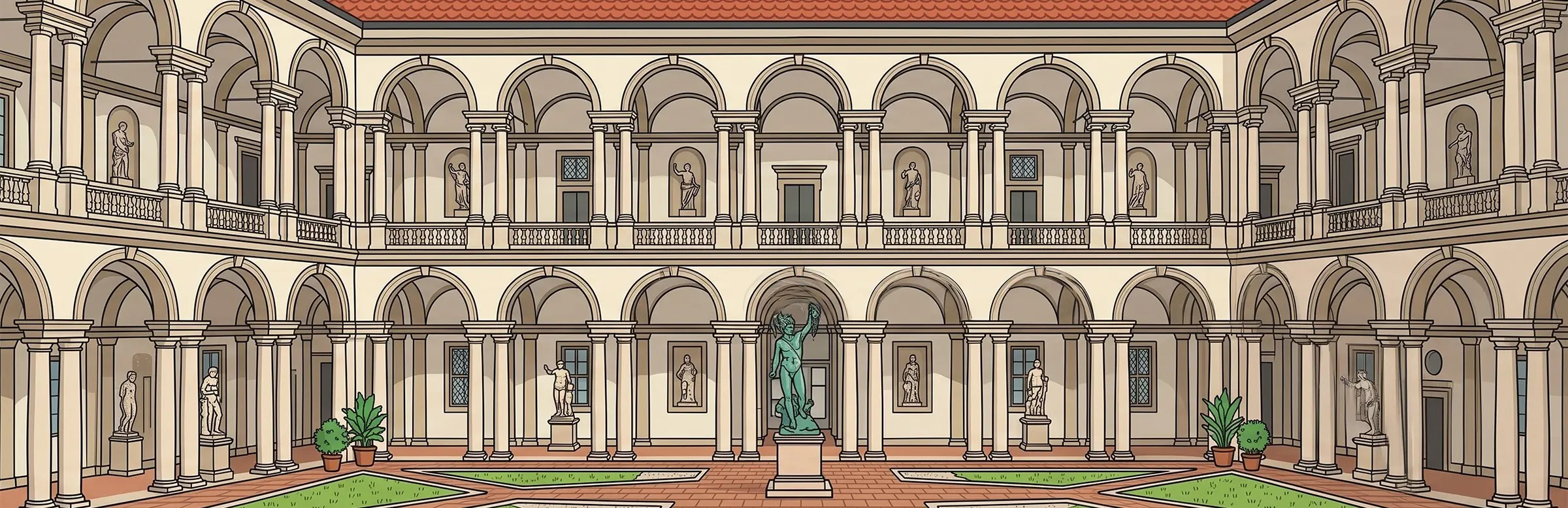

About
Napoleon Bonaparte had a habit of helping himself to other people's art. When he rode into Milan in 1796, he didn't just take the city — he transformed it.
Milan became the capital of his Cisalpine Republic, and the Pinacoteca di Brera, then a modest student gallery attached to the Academy of Fine Arts, became something grander. Paintings stripped from suppressed monasteries across northern Italy poured in, along with works seized from conquered territories. The Viennese Congress of 1815 returned some, but much stayed.
Today, the gallery holds one of Italy's finest collections, including Raphael's Betrothal of the Virgin and Mantegna's Dead Christ. The Palazzo di Brera has a longer story still: from medieval monks to Jesuit astronomers who discovered Mars from its rooftop observatory.
VoiceMap's tours trace the neighbourhood's layered past, connecting the gallery's Napoleonic origins to Milan's transformation from Austrian outpost to Italian capital.
Milan became the capital of his Cisalpine Republic, and the Pinacoteca di Brera, then a modest student gallery attached to the Academy of Fine Arts, became something grander. Paintings stripped from suppressed monasteries across northern Italy poured in, along with works seized from conquered territories. The Viennese Congress of 1815 returned some, but much stayed.
Today, the gallery holds one of Italy's finest collections, including Raphael's Betrothal of the Virgin and Mantegna's Dead Christ. The Palazzo di Brera has a longer story still: from medieval monks to Jesuit astronomers who discovered Mars from its rooftop observatory.
VoiceMap's tours trace the neighbourhood's layered past, connecting the gallery's Napoleonic origins to Milan's transformation from Austrian outpost to Italian capital.

Tours featuring Pinacoteca di Brera (1)


Modern History
Architecture
Neighbourhoods
Take in the highlights of Milan, from the gorgeous Duomo to Castello Sforzesco

 Walking Tour
|
 90 mins
Download the app for free
VoiceMap
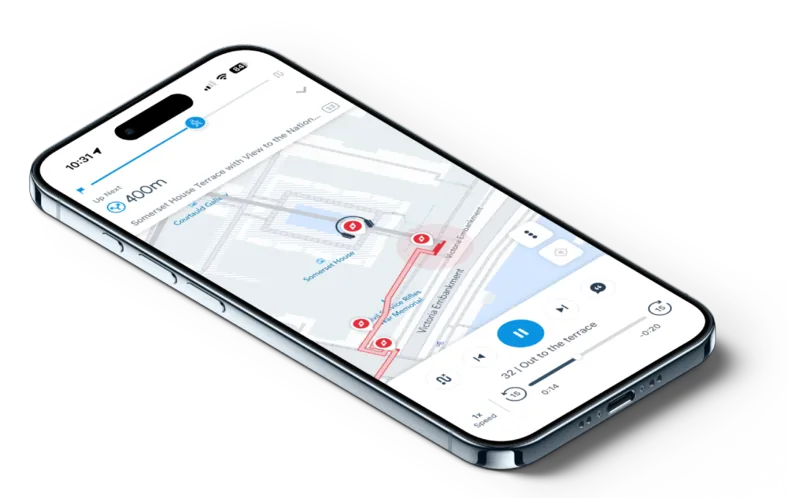
- Download tours to use them offline
- Listen hands-free with GPS playback
- Get turn-by-turn directions


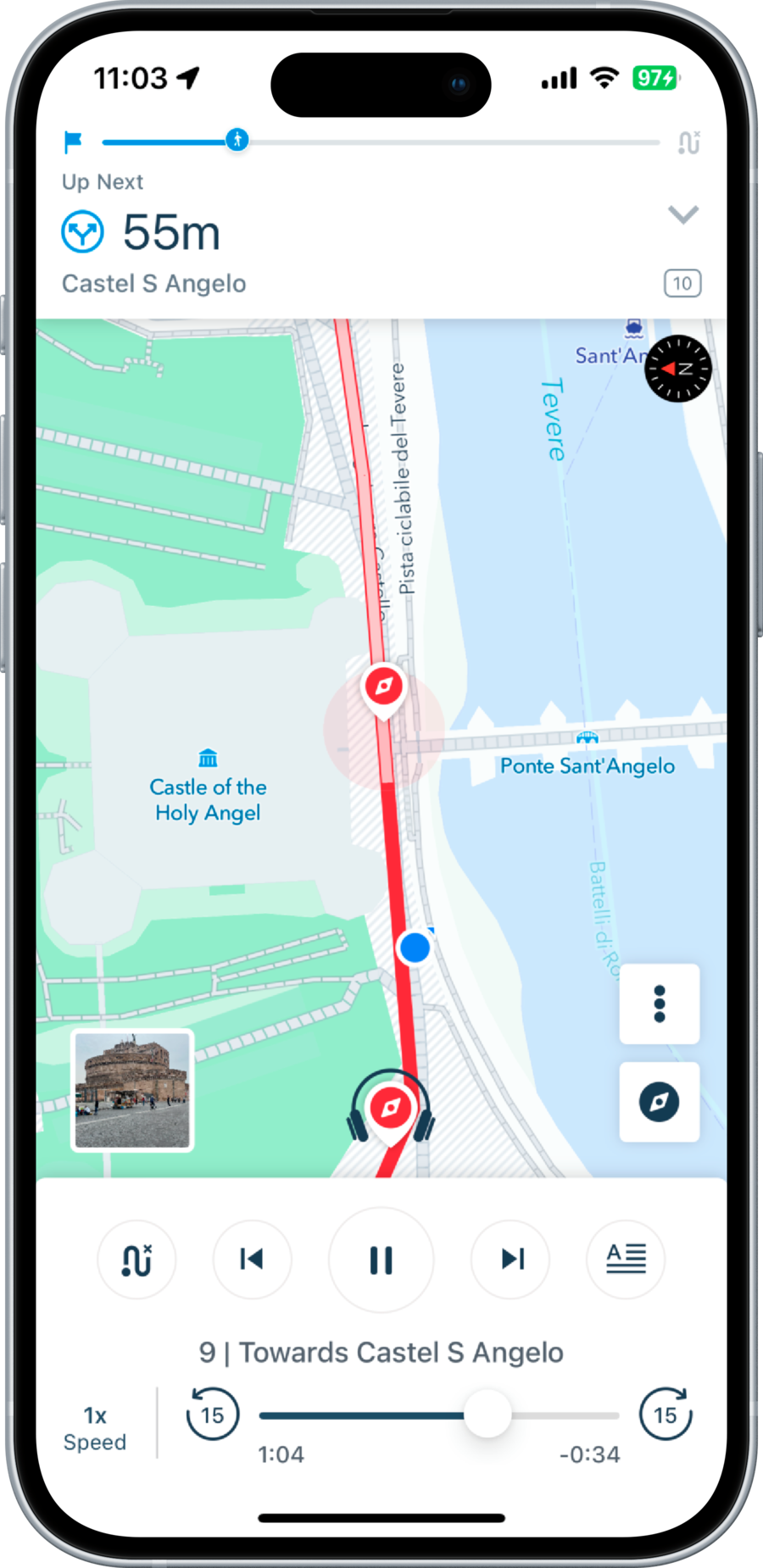
Scan to get app
Download the app for free
VoiceMap




 App of the Day

 Editor’s Choice







Itchy feet? Us too
VoiceMap’s newsletter scratches that itch and stimulates your senses,
every fortnight. Curiosity is the only currency you need to subscribe.

Exploring is easier with a VoiceMap account
To purchase tours, add them to a wishlist, or access them with the VoiceMap app, please sign in or create a VoiceMap account


Exploring is easier with a VoiceMap account
To purchase tours, add them to a wishlist, or access them with the VoiceMap app, please sign in or create a VoiceMap account