



Six Fighters, No Emperor: The Making of Rome's Gladiators




 Buy for a Group
 Reviews
 About the Tour
 About the Tour
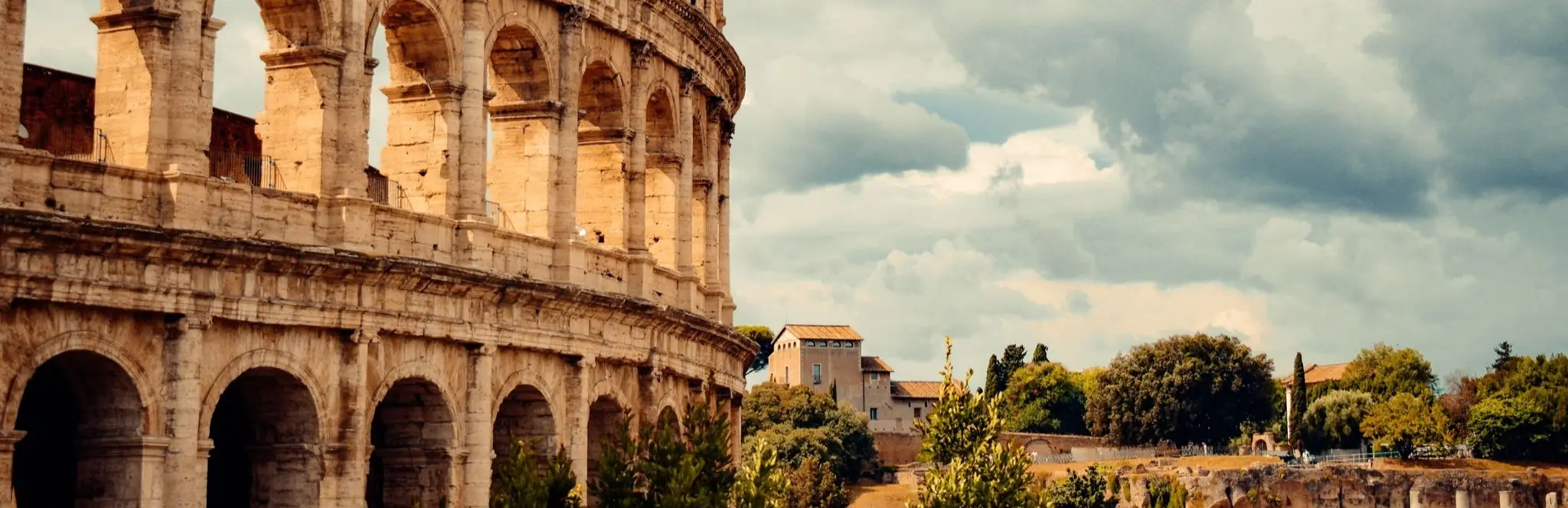
Rome's gladiatorial games didn't begin with the Colosseum – they began in a cattle market, at a funeral, with six fighters and no emperor in sight. On this walking tour, you'll trace how combat, political power, and public spectacle evolved across eight centuries of Roman history. You'll also discover how the city's rulers, rituals, and crowds turned violence into one of the ancient world's most sophisticated entertainment systems.
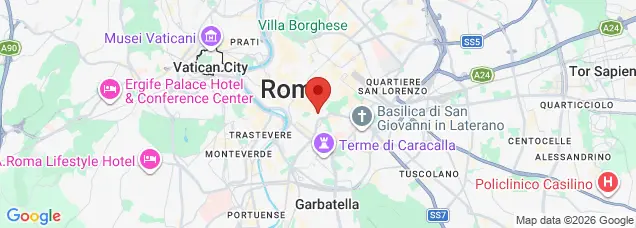
The tour starts near the Arch of Constantine, beside the Colosseum. From there, you'll follow the foot of the Palatine Hill – the legendary birthplace of Rome and later home to the imperial palaces that financed and controlled the games – before arriving at the Circus Maximus, where chariot-racing celebrities like Gaius Appuleius Diocles earned the ancient equivalent of millions in prize money.
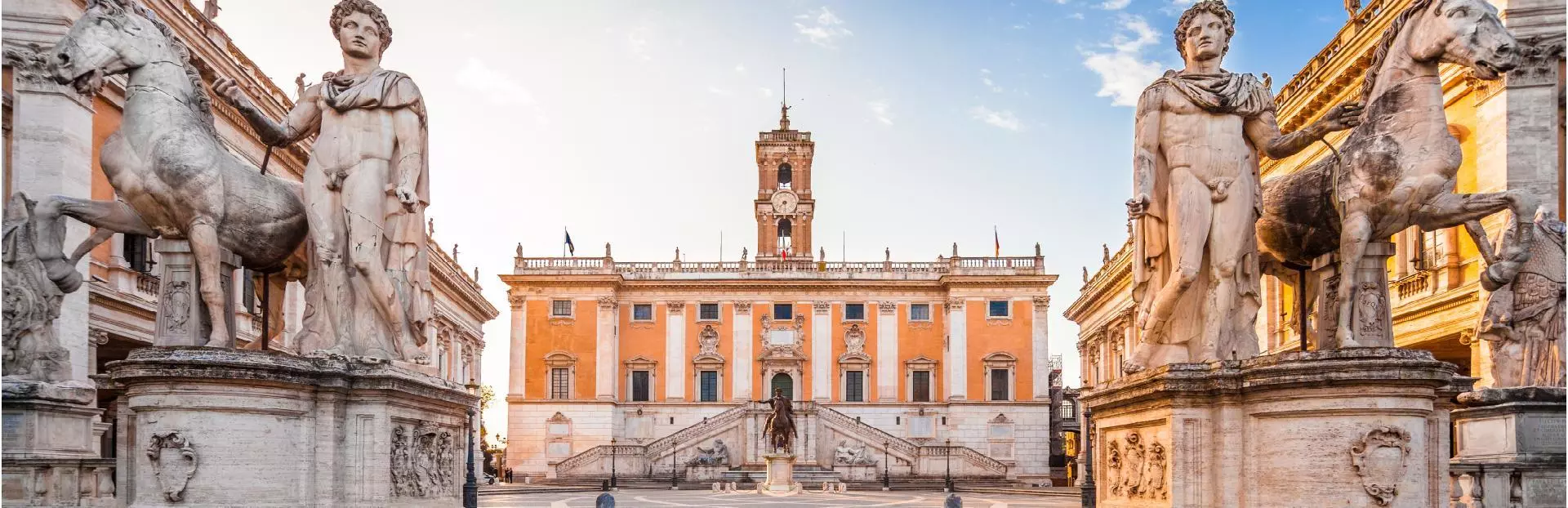
Crossing into the Forum Boarium, you'll stand where Rome's first recorded gladiatorial combat took place in 264 BC – not as entertainment, but as a funeral rite for a senator named Junius Brutus Pera. From there, the route climbs to the Capitoline Hill, where a terrace above the Roman Forum reveals a layered panorama of temples, arches, and monuments spanning a thousand years. You'll cross Piazza del Campidoglio, Michelangelo's masterpiece of Renaissance urban design, before descending past Trajan's Forum and the surviving arches of the Basilica of Maxentius. The tour ends back at the Colosseum, where the threads of imperial power, spectacle, and memory come together.
On this 90-minute tour, you'll have a chance to:
- Learn how Julius Caesar used gladiatorial games to build political influence – and why rivals passed a law limiting his fighters
- See the Bocca della Verità, the ancient marble face whose legend of biting off liars' hands made famous by the 1953 film Roman Holiday
- Visit the Temple of Hercules Victor and Temple of Portunus, two of Rome's best-preserved ancient temples
- Discover the story of Tarpeia, whose betrayal of Rome gave the Tarpeian Rock its name and its dark reputation
- Admire the bronze equestrian statue of Marcus Aurelius – a masterpiece that survived only because medieval Romans mistook it for Constantine
- Understand why gladiatorial combat ended not with Constantine's decree, but with animal hunts continuing at the Colosseum until AD 523
This tour gives you the full picture of Rome's arena culture – from cattle markets to imperial monuments. Come ready to walk, look up, and see the Colosseum differently.

Tour Producer
 Tour Producer

GeoBeat Audio Tour

GeoBeat creates self-guided cultural audio tours across Italy for travellers who don’t just want to visit places, but who want to understand what they’re looking at.
Since 2018, its founder has brought this passion to guided cultural visits across Italian cities, developing an approach based on slow observation, historical research, and the ability to reveal what most visitors pass by. Today, that experience shapes audio journeys that turn cities, monuments, churches, ruins, and quieter corners into stories you can walk through.
Each tour is built through historical research, on-site exploration, and the perspective of a cultural heritage professional, revealing what often remains invisible during an ordinary walk through a city.
Our audio walks are designed for curious travellers who want more than sightseeing, but don’t want to join a group tour or spend hours searching online. Clear directions guide you from place to place, while the narration helps you understand what you see step by step.
Instead of scattered fragments of information, each tour gives you a coherent cultural experience you can follow at your own pace.
Behind every tour is a simple belief: places are never just places. They are layers of human stories, and the more carefully we listen, the more they begin to speak.
You won’t just collect places. You’ll learn how to read them.
Become a GeoBeat traveller.
Save with Rome audio tour passes
How do passes work?

Preview Location
 Preview Location
Location 5
Romulus, Remus and the Birth of Rome
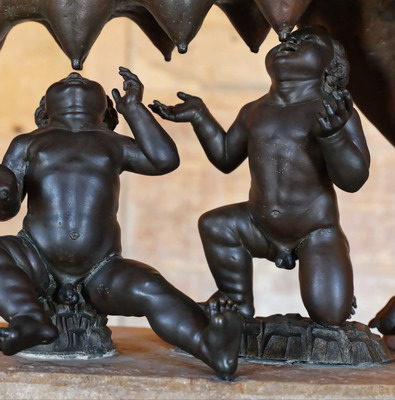
Find a comfortable place. If a bench is available, this is a good opportunity to sit and take in the view across the Circus Maximus toward the Palatine Hill.
::
Turn toward the broad open spac...
 View locations and route

How VoiceMap Works







Major Landmarks
 Major Landmarks
-
Colosseum

-
Capitoline Hill
-
Arch of Constantine
-
Circus Maximus
-
Basilica di Santa Maria in Cosmedin
-
Mouth of Truth
-
Piazza del Campidoglio
-
Capitoline Museums
-
Roman Forum
-
Imperial Forum Relais
-
Forum Boarium
-
Temple of Hercules Victor
-
Temple of Portunus
-
Trajan's Forum
-
Basilica of Constantine and Maxentius
-
Palatine Hill
-
Senatorial Palace
-
Equestrian Statue of Marcus Aurelius
-
Statue of Julius Caesar
-
Foro di Cesare
-
Tower of Milizie
-
Temple of Vespasian and Titus
-
Septimius Severus Arch
-
Fountain of the Tritons
-
Torre della Moletta
-
Tarpeian Rock
-
Via della Greca
-
Lupa Capitolina
-
Temple of Saturn
-
Via dei Fori Imperiali
Getting There
 Getting There
Route Overview
-
Start locationP.za del Colosseo, 1, 00184 Roma RM, Italy
-
Total distance3km
-
Final locationP.za del Colosseo, 1, 00184 Roma RM, Italy
-
Distance back to start location124.24m


Directions to Starting Point
Start in the pedestrian area beside the Arch of Constantine, near the Colosseum. From Colosseo Metro station on Line B, walk towards the large triumphal arch beside the amphitheatre. Match your position to the first location’s photo in VoiceMap, keep the walkway clear and press Play.
 Show Directions



Tips
 Tips
Places to stop along the way
Pause at the viewpoint over the Circus Maximus, or make time for Piazza del Campidoglio. Santa Maria in Cosmedin and the Capitoline Museums are optional visits: check their opening times, ticket requirements and queues. After the walk, the nearby Monti neighbourhood offers places for a longer food or drink break.
Best time of day
Choose morning or late afternoon in warmer weather, leaving enough daylight for the full walk. Allow about 90 minutes, plus breaks. Daylight helps you appreciate the monuments and negotiate the steps and uneven surfaces along the route.
Precautions
The route includes uneven paving, uphill sections, stairs towards the Capitoline Hill and busy road crossings. Wear comfortable shoes, bring water and use pedestrian signals. Keep your headphone volume low enough to hear traffic and your belongings close in crowded areas. The story includes historical violence.
Get The App
 Get The App




Scan to get app
Download the app for free
VoiceMap


 App of the Day

 Editor’s Choice


Last Updated
 Last Updated
Questions and Reviews
 Questions and Reviews