






Ise Jingu Geku Audio Guide to Omairi: Ritual, Tradition and Forest




 Buy for a Group
 Reviews
 About the Tour
 About the Tour
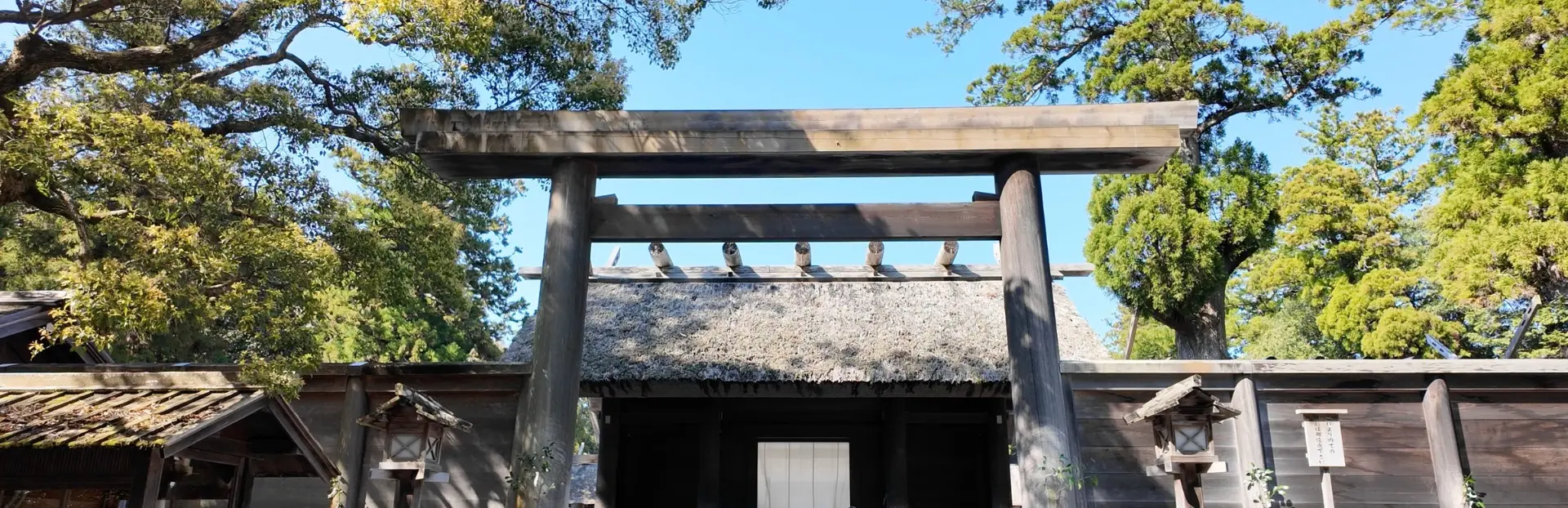
Geku is where a traditional visit to Ise Jingu begins.
Ise Jingu is not a single shrine, but a sacred complex centered on two main sanctuaries: Naiku and Geku. Geku is dedicated to Toyouke-no-Omikami, the deity associated with food and the things that sustain daily life. For around 1,500 years, sacred meals have been prepared and offered to the deities here every morning and evening.
That daily practice gives us a different way into Ise Jingu. Here, tradition is not something kept behind glass. It is something people continue to conduct and pass on.
This self-guided audio tour begins at Hiyoke-bashi and follows the route of omairi toward Toyouke Daijingu, the Main Sanctuary. As you walk, you’ll learn how people visit and pray at a Shinto shrine.
Beyond the Main Sanctuary, you’ll see the Mishikichi, the empty sacred site where the sanctuary will stand again in 2033, and learn how Shikinen Sengu has renewed Ise Jingu every twenty years while passing architectural skills and craftsmanship from one generation to the next.
From there, the walk continues through Geku’s Betsugu shrines, sacred wells, ritual spaces, quieter forest paths, and several places that many visitors simply pass by.
On this 90 minute walking tour, you’ll have a chance to
- Practice the basic customs of omairi, from purification to prayer
- Visit Toyouke Daijingu, the Main Sanctuary of Geku
- See the Mishikichi and understand the twenty-year cycle of Shikinen Sengu
- Climb the 98 stone steps to Takanomiya, or pray from the Yohaijo below
- Hear the gravel underfoot and notice the centuries-old cedars along the approach
- Look for one of Ise Jingu’s sacred horses near the Miumaya
- Walk a quiet forest path to Watarai Kunimi Jinja and Otsu Jinja
- Finish beside Magatama Pond and the Sengukan museum
Created by Retreatrip, this tour is for travelers who want more than a quick walk through one of Japan’s most important Shinto sites. It combines cultural and historical context with practical route guidance, while leaving room to notice the sounds, trees, and atmosphere around you.
Most of the route is on gravel paths. Takanomiya involves 98 stone steps, but an alternative place to pray from below is also included. Admission to the Sengukan museum is separate.
Opening and ending music is “Suzunodan from Sanbasou” by Yukihiro Atsumi.
Tour Producer
 Tour Producer

Retreatrip

Retreatrip designs and guides retreat-style travel experiences in Japan for international visitors who want to enjoy culture, nature, and food in a deeper, more meaningful way.
Our experiences are not simply about visiting famous places. We help travelers understand the stories behind each place, while giving them space to notice what they feel, think, and discover through the experience itself.
Through shrines and temples visit, nature walks, local food experiences, Retreatrip offers a more intentional way to experience Japan — one that connects visitors with the country’s culture, history, and everyday beauty, while also creating time to return to themselves.
Retreatrip is for travelers who seek not only to see Japan, but to feel it, understand it, and return home with something quietly meaningful.
Save with audio tour passes
How do passes work?

Preview Location
 Preview Location
Location 5
Main sanctuary - Toyouke Daijingu 2
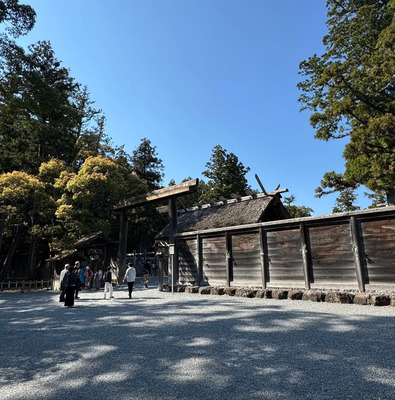
According to shrine tradition, Toyouke-no-Omikami prepares sacred meals ...
 View locations and route

How VoiceMap Works







Major Landmarks
 Major Landmarks
-
Toyouke Daijingu (Ise Jingu Geku, Outer Sanctuary)
-
Sengukan Museum
-
Takanomiya
-
Iseshi Station
-
Magatama-ike Pond
-
Mi'umaya (Geku)
-
Imibiyaden (Sacred Kitchen) (Geku Outer Shrine)
-
Tsuchinomiya
-
Shimo-no-Mi'i Shrine
-
Kazenomiya
-
Miyanomeguri-no-kami Shrine (Geku)
-
Gojoden
-
Kujoden
-
Watarai-kunimi Shrine
-
Otsu Shrine
Getting There
 Getting There
Route Overview
-
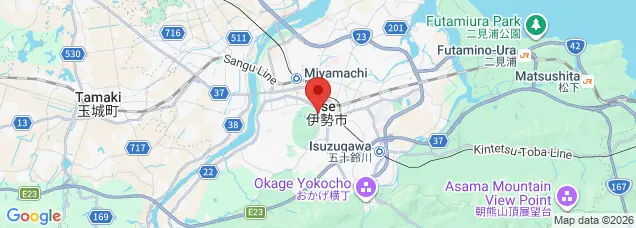
Start location279 Toyokawachō, Ise, Mie 516-0042, Japan
-
Total distance2km
-
Final locationJapan, 〒516-0042 Mie, Ise, Toyokawachō, 前野126−1 外宮域内
-
Distance back to start location70.59m


Directions to Starting Point
The tour begins at the main entrance of Geku, just before Hiyoke-bashi, the Fire Prevention Bridge.
From JR or Kintetsu Iseshi Station, take the south exit toward Geku and walk straight along the main road for about five minutes. After crossing the road, stop just before Hiyoke-bashi. This is where the tour begins.
A guard office is located near the starting point, where you can pick up an English map of the shrine grounds or borrow a wheelchair free of charge if needed.
If you’re visiting both Geku and Naiku, we recommend starting with this tour and continuing to Naiku afterward, following the traditional order of visiting Geku first. Retreatrip also offers a companion audio guide for Naiku, so you can continue your omairi there.
 Show Directions




Tips
 Tips
Tips
Places to stop along the way
At the end of the tour, Magatama Pond is a lovely place to slow down for a while. There are benches beside the water, and on a pleasant day, the breeze coming across the pond makes it an especially nice place to sit and rest before continuing.
The Sengukan is also well worth visiting after the tour. Inside, you can see a full-scale model of Geku’s sanctuary architecture, along with exhibits on Shikinen Sengu, traditional tools, materials, and craftsmanship. It gives you a rare look at the behind-the-scenes work that normally remains out of sight within the sacred precinct.
If you’re looking for lunch, coffee, or a sweet break before or after the tour, the street between Iseshi Station and Geku is a good place to explore. You’ll find a mix of Japanese restaurants, Western-style options, and several cafés along the way.
Best time of day
This tour can be enjoyed all year round, as long as you begin with enough time before Geku closes. Geku opens at 5:00 AM every day, while closing times change by season: 6:00 PM from January through April and in September, 7:00 PM from May through August, and 5:00 PM from October through December. Opening hours may change during the New Year period, so please check the latest information before your visit.
Morning is a lovely time to begin this tour, especially if you’re planning to visit Naiku on the same day. Starting at Geku in the morning gives you plenty of time to enjoy the tour at an unhurried pace, visit the Sengukan if you wish, and then continue on to Naiku afterward.
The tour ends beside the Sengukan museum. If you plan to visit, the museum accepts visitors from 9:00 AM to 4:00 PM, with viewing until 4:30 PM. It is normally closed on the second and fourth Tuesdays of each month, or the following day if Tuesday is a public holiday. Temporary closures may also occur.
Allow around 75–90 minutes for the tour itself, plus extra time if you would like to pray slowly, stop for a goshuin or omamori, or visit the Sengukan.
Precautions
Please use earphones or headphones during the tour, as the audio is designed to play automatically as you walk. Keep the volume low enough to hear your surroundings, and please be considerate of other worshippers.
Most of the route is on gravel paths, and the visit to Takanomiya includes 98 stone steps. Comfortable walking shoes are recommended, and please take extra care on the steps when it is raining.
Please note that eating and drinking are generally not permitted along the shrine approaches, so use the designated rest areas when you need to take a break or have a drink.
Geku itself is free to enter, but the Sengukan museum at the end of the tour requires a separate admission fee. You may also want to carry some cash for offerings, goshuin, omamori, or other shrine items.
Photography is restricted in some sacred areas, especially around the Main Sanctuary. Please follow the signs and the guidance in the tour.
Get The App
 Get The App




Scan to get app
Download the app for free
VoiceMap




 App of the Day

 Editor’s Choice


 Last Updated
 Questions and Reviews