







ATTRACTION
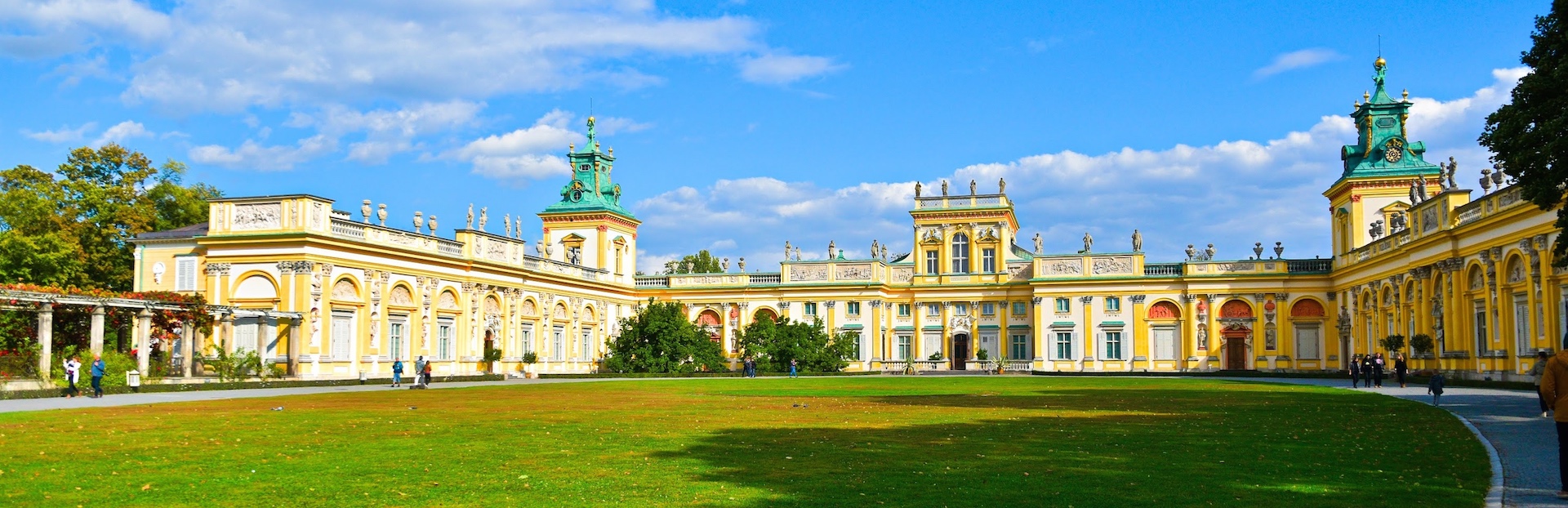
Wilanów Palace Museum,
Warsaw

About
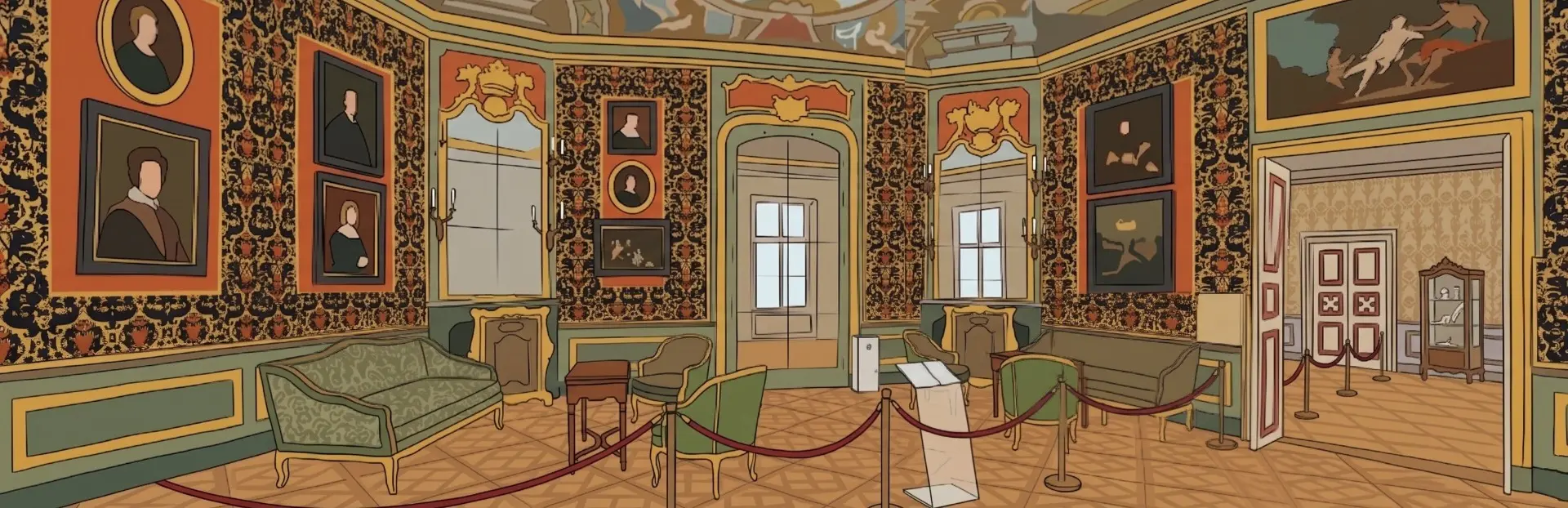
When Stanisław Potocki opened Wilanów Palace to the public on 5th August 1805, he created Poland's first public art museum, a remarkable act for a country that had just ceased to exist. Poland had been partitioned out of existence in 1795, carved between Russia, Prussia and Austria, yet here was a Polish aristocrat preserving the royal collection of Jan III Sobieski and opening it to anyone who wished to see it.
The museum occupies the palace interior, where Sobieski's personality is still legible in the rooms. He created a Chinese room filled with exotic items from the Far East, and displayed Turkish trophies from his 1683 victory at Vienna alongside the Roman and Christian imagery framing every facade.
VoiceMap's tour moves through these rooms to show how the palace functioned as deliberate self-portrait, built by a king who wanted posterity to see him exactly as he wished to be seen.
The museum occupies the palace interior, where Sobieski's personality is still legible in the rooms. He created a Chinese room filled with exotic items from the Far East, and displayed Turkish trophies from his 1683 victory at Vienna alongside the Roman and Christian imagery framing every facade.
VoiceMap's tour moves through these rooms to show how the palace functioned as deliberate self-portrait, built by a king who wanted posterity to see him exactly as he wished to be seen.

Tours featuring Wilanów Palace Museum (1)


Royal Heritage
Parks And Gardens
Medieval History
Take a stroll into history through the breathtaking scenery of Wilanów Palace

 Walking Tour
|
 150 mins
Download the app for free
VoiceMap
- Download tours to use them offline
- Listen hands-free with GPS playback
- Get turn-by-turn directions


Scan to get app
Download the app for free
VoiceMap




 App of the Day

 Editor’s Choice






Itchy feet? Us too
VoiceMap’s newsletter scratches that itch and stimulates your senses,
every fortnight. Curiosity is the only currency you need to subscribe.

Exploring is easier with a VoiceMap account
To purchase tours, add them to a wishlist, or access them with the VoiceMap app, please sign in or create a VoiceMap account


Exploring is easier with a VoiceMap account
To purchase tours, add them to a wishlist, or access them with the VoiceMap app, please sign in or create a VoiceMap account