







ATTRACTION
La Lonja de la Seda,
Valencia

About
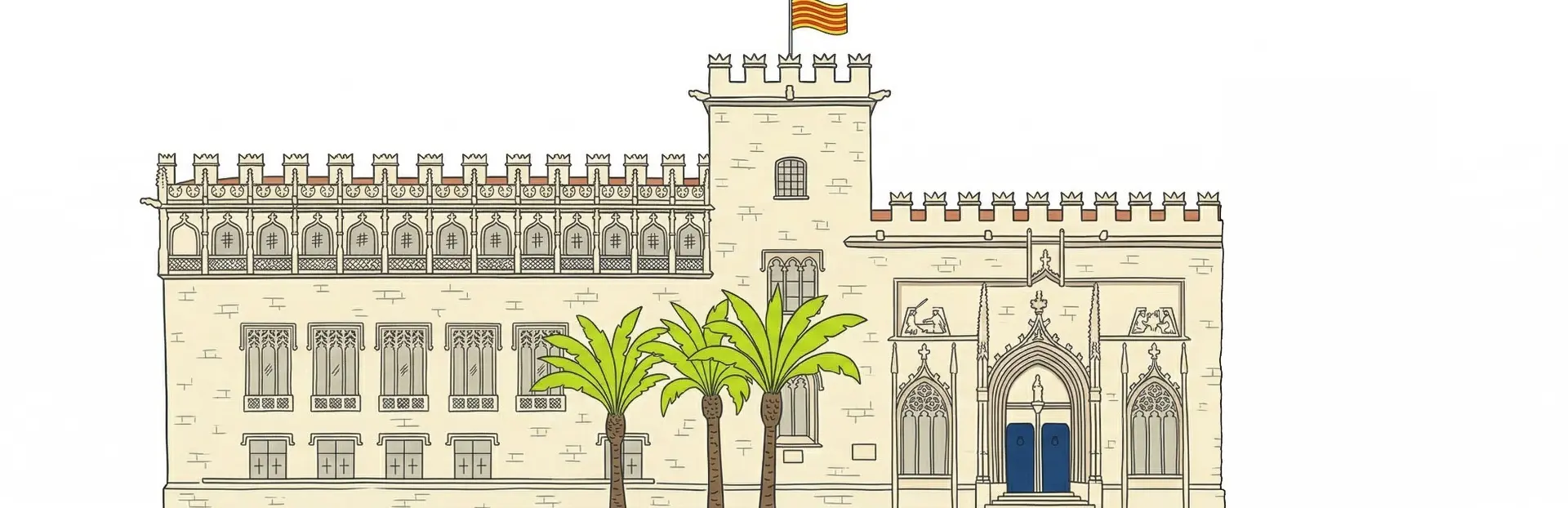
La Lonja de la Seda, Valencia's Silk Exchange, was built in 1483 at the peak of the city's medieval prosperity. Gothic architecture was reserved almost exclusively for churches at the time, which made its secular ambition remarkable. Rich merchants and the City Council commissioned it as a temple of commerce, worthy of one of the Mediterranean's greatest trading cities. UNESCO calls it an exceptional example of late Gothic secular architecture.
Inside, the Sala de Contratación's spiral columns rise to dizzying heights. Gargoyles line the exterior walls, and an orange garden, planted in the Moorish tradition as an air freshener, fills the inner yard. The building has been in near-constant use for five centuries.
VoiceMap's audio tours trace La Lonja's role in Valencia's commercial golden age, explaining how silk fuelled the city's rise, why Gothic grandeur honoured trade rather than God, and how merchants from Europe and Asia converged here.
Inside, the Sala de Contratación's spiral columns rise to dizzying heights. Gargoyles line the exterior walls, and an orange garden, planted in the Moorish tradition as an air freshener, fills the inner yard. The building has been in near-constant use for five centuries.
VoiceMap's audio tours trace La Lonja's role in Valencia's commercial golden age, explaining how silk fuelled the city's rise, why Gothic grandeur honoured trade rather than God, and how merchants from Europe and Asia converged here.

Tours featuring La Lonja de la Seda (4)


Top Sights
Medieval History
Museums
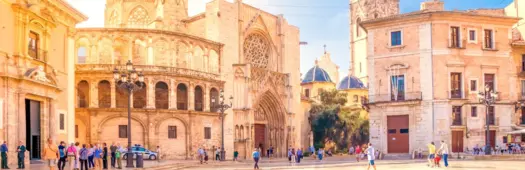
Discover how a small Roman riverside settlement grew into a European powerhouse

 Walking Tour
|
 90 mins
Architecture
Food And Drink
Neighbourhoods
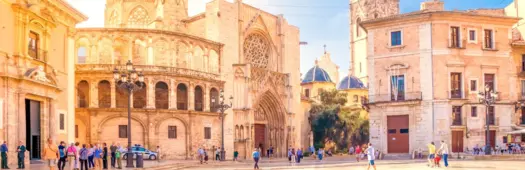
Savour the city's secrets while taking in its history and iconic architecture
 Walking Tour
|
90 mins
Top Sights
Food And Drink
Markets
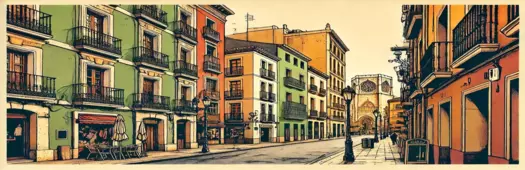
Ontdek Valencia met een Nederlands ingesproken audiotour
Walking Tour
|
75 mins
Ancient History
Literature
Music And Performance
Page through the chapters of Valencia’s Golden Era and architectural heyday
 Walking Tour
|
90 mins
Download the app for free
VoiceMap
- Download tours to use them offline
- Listen hands-free with GPS playback
- Get turn-by-turn directions


Scan to get app
Download the app for free
VoiceMap




 App of the Day

 Editor’s Choice






Itchy feet? Us too
VoiceMap’s newsletter scratches that itch and stimulates your senses,
every fortnight. Curiosity is the only currency you need to subscribe.

Exploring is easier with a VoiceMap account
To purchase tours, add them to a wishlist, or access them with the VoiceMap app, please sign in or create a VoiceMap account


Exploring is easier with a VoiceMap account
To purchase tours, add them to a wishlist, or access them with the VoiceMap app, please sign in or create a VoiceMap account