







ATTRACTION
The Meiji Jingu Museum,
Tokyo


About
The Meiji Jingu Museum sits quietly within the forested grounds of Tokyo's most visited Shinto shrine. It holds the personal belongings of Emperor Meiji and Empress Shōken: the carriages they rode, the clothes they wore, the brushwork they left behind. It opened in 2019, designed by Kengo Kuma, whose copper-roofed building settles into the trees as if it grew there.
The objects inside are a direct thread to one of history's stranger transformations. When Emperor Meiji ascended in 1867, Japan was a feudal state sealed off from the world. By his death in 1912, it had railways, a constitution and a navy. The museum holds artefacts from the man at the centre of that upheaval.
VoiceMap's tours trace this transformation on foot, using the shrine's cypress-and-copper architecture and its sacred approach path to explain how a nation reinvented itself, and why millions still come here to honour the emperor who presided over it.
The objects inside are a direct thread to one of history's stranger transformations. When Emperor Meiji ascended in 1867, Japan was a feudal state sealed off from the world. By his death in 1912, it had railways, a constitution and a navy. The museum holds artefacts from the man at the centre of that upheaval.
VoiceMap's tours trace this transformation on foot, using the shrine's cypress-and-copper architecture and its sacred approach path to explain how a nation reinvented itself, and why millions still come here to honour the emperor who presided over it.

Tours featuring the Meiji Jingu Museum (1)


Top Sights
Architecture
Scenic Routes
See how the cityscape was influenced by Tokyo‘s history and modern culture

 Walking Tour
|
 90 mins
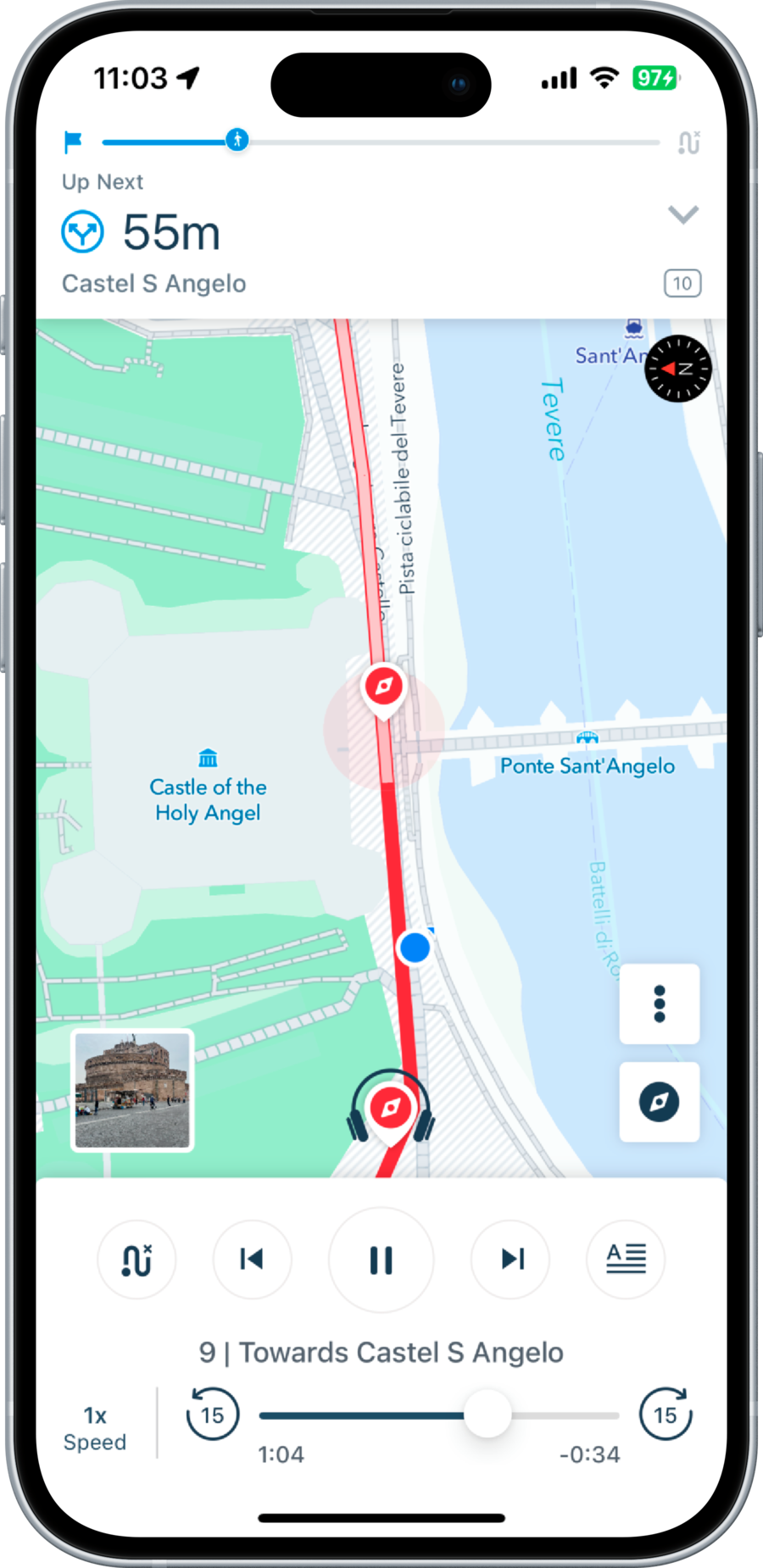
Download the app for free
VoiceMap
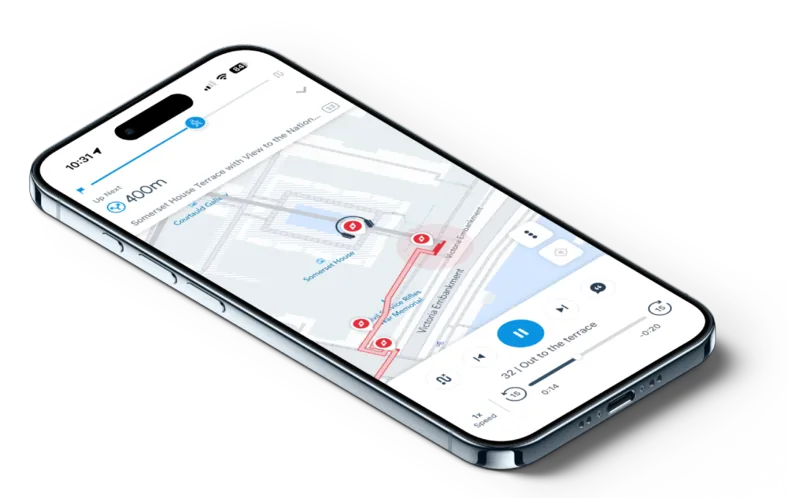
- Download tours to use them offline
- Listen hands-free with GPS playback
- Get turn-by-turn directions


Scan to get app
Download the app for free
VoiceMap




 App of the Day

 Editor’s Choice






Itchy feet? Us too
VoiceMap’s newsletter scratches that itch and stimulates your senses,
every fortnight. Curiosity is the only currency you need to subscribe.

Exploring is easier with a VoiceMap account
To purchase tours, add them to a wishlist, or access them with the VoiceMap app, please sign in or create a VoiceMap account


Exploring is easier with a VoiceMap account
To purchase tours, add them to a wishlist, or access them with the VoiceMap app, please sign in or create a VoiceMap account