





ATTRACTION
Sanssouci Palace,
Potsdam

About
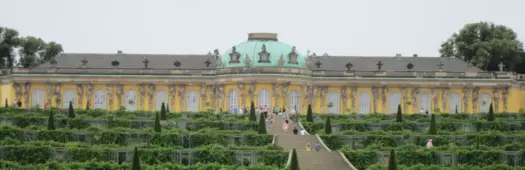
Frederick the Great built Sanssouci as his refuge. As a child, he was sensitive and artistic, playing flute and composing music. His father, the Soldier King, beat him to toughen him up. When Frederick tried to flee with a friend, they were caught. The king sentenced the friend to death and forced Frederick to watch the execution. Frederick could only leave prison by promising to marry a woman chosen by his father. He hated her and allowed her to visit once a year. She was never permitted at Sanssouci.
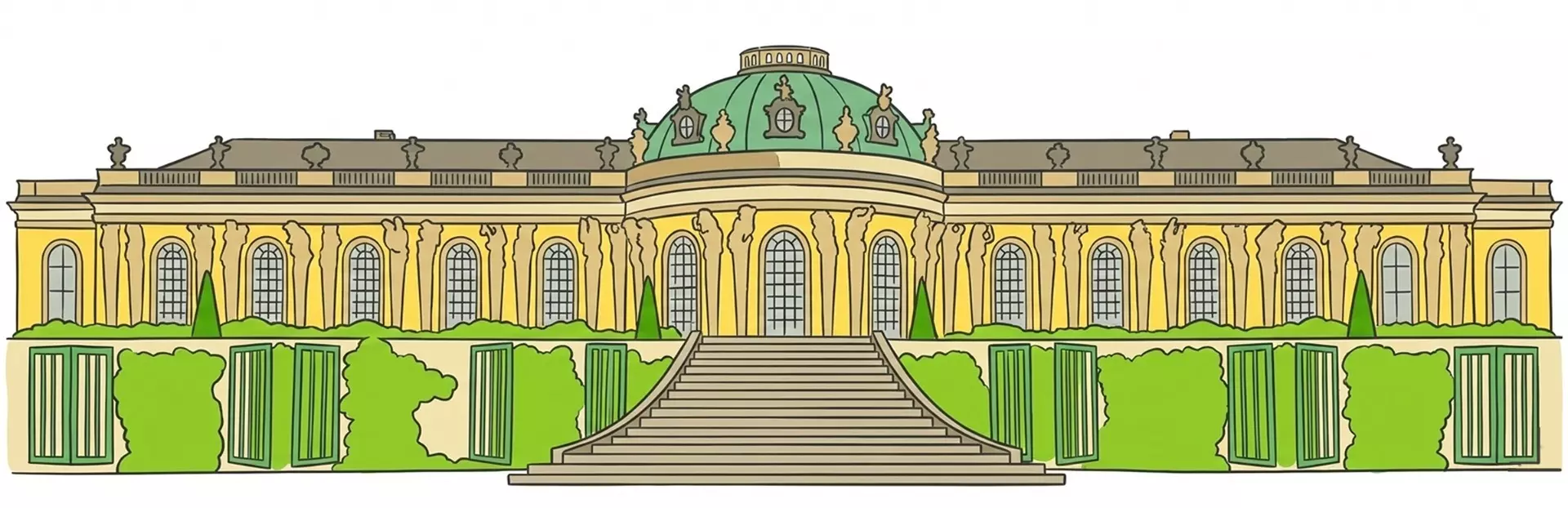
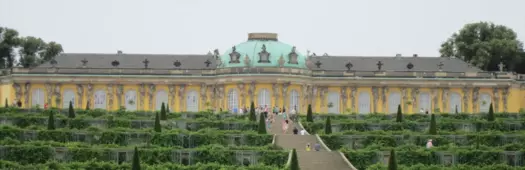
When Frederick took the throne in 1740, he built this small palace on a hill where he'd played as a child. Architect Georg Wenzeslaus von Knobelsdorff designed it, completing it in 1747. The word means "without worry." The palace has only nine rooms. Frederick spoke French fluently, often better than German. Voltaire lived here for several years.
Frederick also built the New Palace at the park's other end with 400 rooms. He wasn't interested in it. It was only for show, so nobody could say he couldn't afford a large palace. Frederick died childless in 1786. Frederick William IV, who loved Sanssouci almost as much, died here in 1861. He's buried in the Friedenskirche with his wife Elisabeth, who followed 13 years later.
VoiceMap's self-guided audio tours trace Knobelsdorff's designs, explain the terraced vineyards, and reveal Peter Lenné's 19th-century garden transformations.
When Frederick took the throne in 1740, he built this small palace on a hill where he'd played as a child. Architect Georg Wenzeslaus von Knobelsdorff designed it, completing it in 1747. The word means "without worry." The palace has only nine rooms. Frederick spoke French fluently, often better than German. Voltaire lived here for several years.
Frederick also built the New Palace at the park's other end with 400 rooms. He wasn't interested in it. It was only for show, so nobody could say he couldn't afford a large palace. Frederick died childless in 1786. Frederick William IV, who loved Sanssouci almost as much, died here in 1861. He's buried in the Friedenskirche with his wife Elisabeth, who followed 13 years later.
VoiceMap's self-guided audio tours trace Knobelsdorff's designs, explain the terraced vineyards, and reveal Peter Lenné's 19th-century garden transformations.

Tours featuring Sanssouci Palace (2)

Top Sights
Photography
Scenic Routes
Find out what made Potsdam’s Little Versaille so special to several former Kings

 Walking Tour
|
 60 mins
Teilen Sie die Begeisterung von Königen für diesen schönen Park
Walking Tour
|
60 mins
Download the app for free
VoiceMap
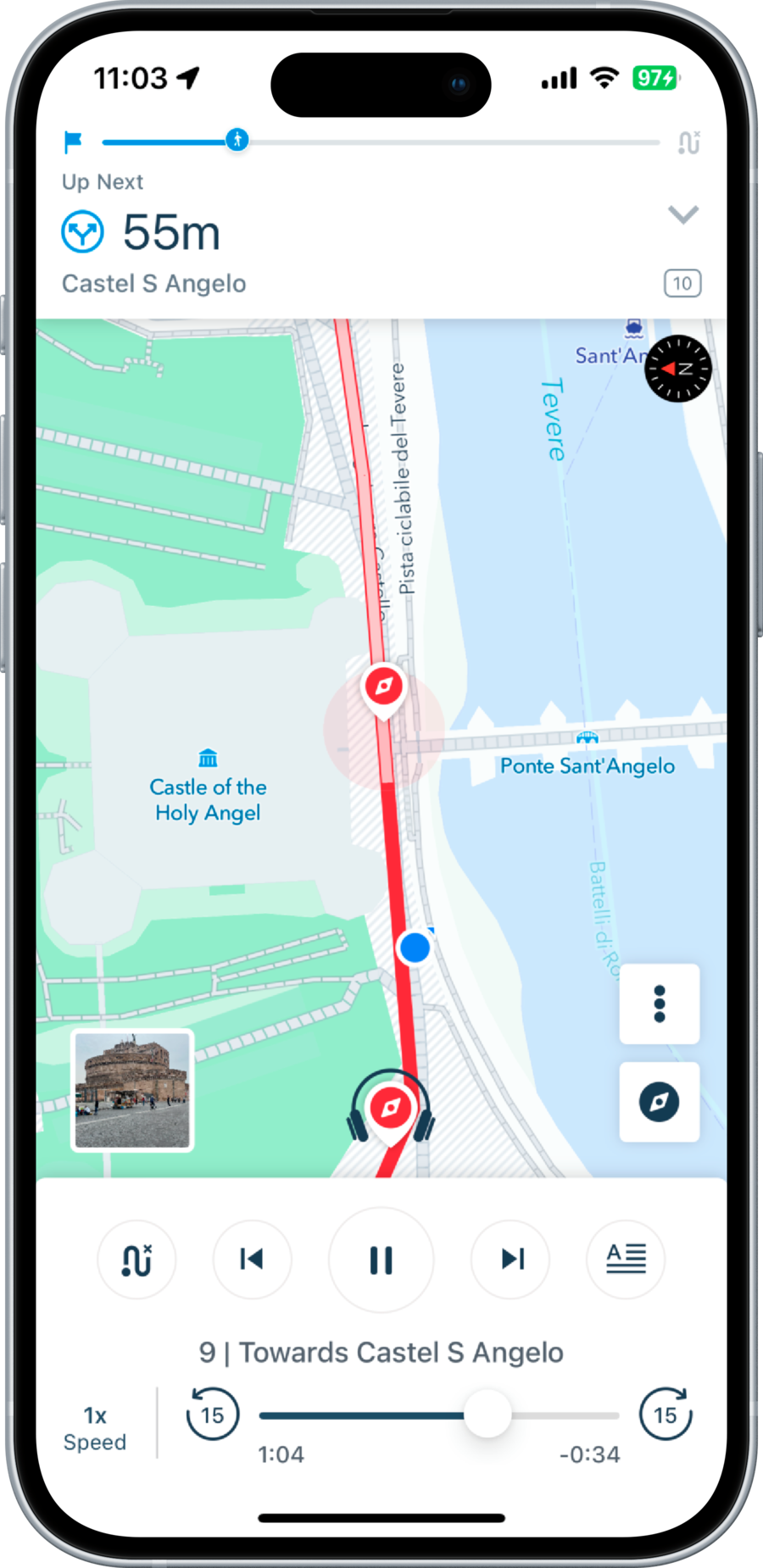
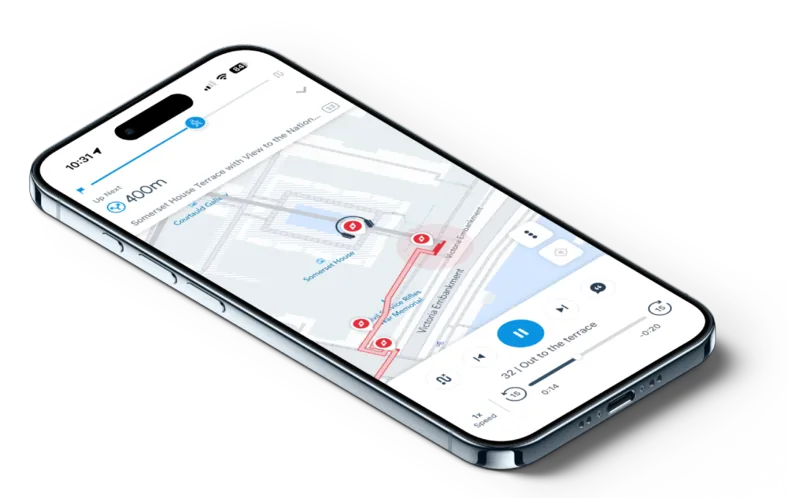
- Download tours to use them offline
- Listen hands-free with GPS playback
- Get turn-by-turn directions


Scan to get app
Download the app for free
VoiceMap




 App of the Day

 Editor’s Choice






Itchy feet? Us too
VoiceMap’s newsletter scratches that itch and stimulates your senses,
every fortnight. Curiosity is the only currency you need to subscribe.

Exploring is easier with a VoiceMap account
To purchase tours, add them to a wishlist, or access them with the VoiceMap app, please sign in or create a VoiceMap account


Exploring is easier with a VoiceMap account
To purchase tours, add them to a wishlist, or access them with the VoiceMap app, please sign in or create a VoiceMap account