







ATTRACTION
Tombs of Molière and La Fontaine,
Paris

About
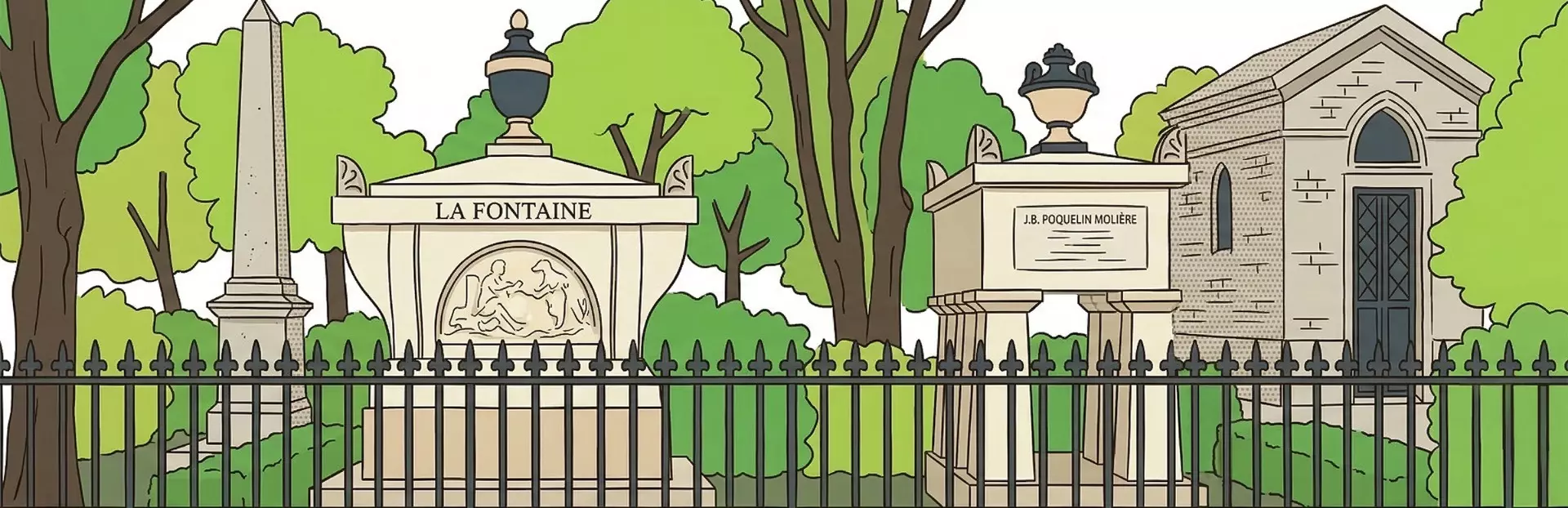
Behind a black wrought-iron fence at Père Lachaise, two tombs sit on raised pillars side by side: Jean de la Fontaine on the left, Molière on the right. There's a catch. The bones beneath them may not be genuine.
Both writers were moved here in 1817, more than 150 years after their deaths, in a deliberate scheme to draw Parisians to a cemetery that was struggling. It worked. The population of the dead peaked at 33,000 by 1830.
Molière's story is particularly rich. He died playing a hypochondriac on stage, collapsing mid-performance as tuberculosis finally won. His widow had to beg Louis XIV for a decent burial and was rebuffed. La Fontaine, meanwhile, is the scourge of every French primary schoolchild, who must memorise his fables, most of them borrowed from Aesop.
VoiceMap's self-guided audio tours unpack both writers' complicated relationships with power, plagiarism and posterity, placing their tombs in the broader story of Père Lachaise as a stage-managed monument to French cultural glory.
Both writers were moved here in 1817, more than 150 years after their deaths, in a deliberate scheme to draw Parisians to a cemetery that was struggling. It worked. The population of the dead peaked at 33,000 by 1830.
Molière's story is particularly rich. He died playing a hypochondriac on stage, collapsing mid-performance as tuberculosis finally won. His widow had to beg Louis XIV for a decent burial and was rebuffed. La Fontaine, meanwhile, is the scourge of every French primary schoolchild, who must memorise his fables, most of them borrowed from Aesop.
VoiceMap's self-guided audio tours unpack both writers' complicated relationships with power, plagiarism and posterity, placing their tombs in the broader story of Père Lachaise as a stage-managed monument to French cultural glory.

Tours featuring Tombs of Molière and La Fontaine (1)

Celebrities And Gossip
Local Legends
Parks And Gardens
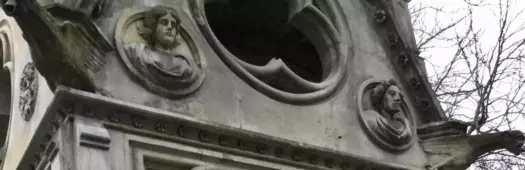
Grave hop on this second tour of past luminaries in the Père Lachaise Cemetery

 Walking Tour
|
 60 mins
Download the app for free
VoiceMap
- Download tours to use them offline
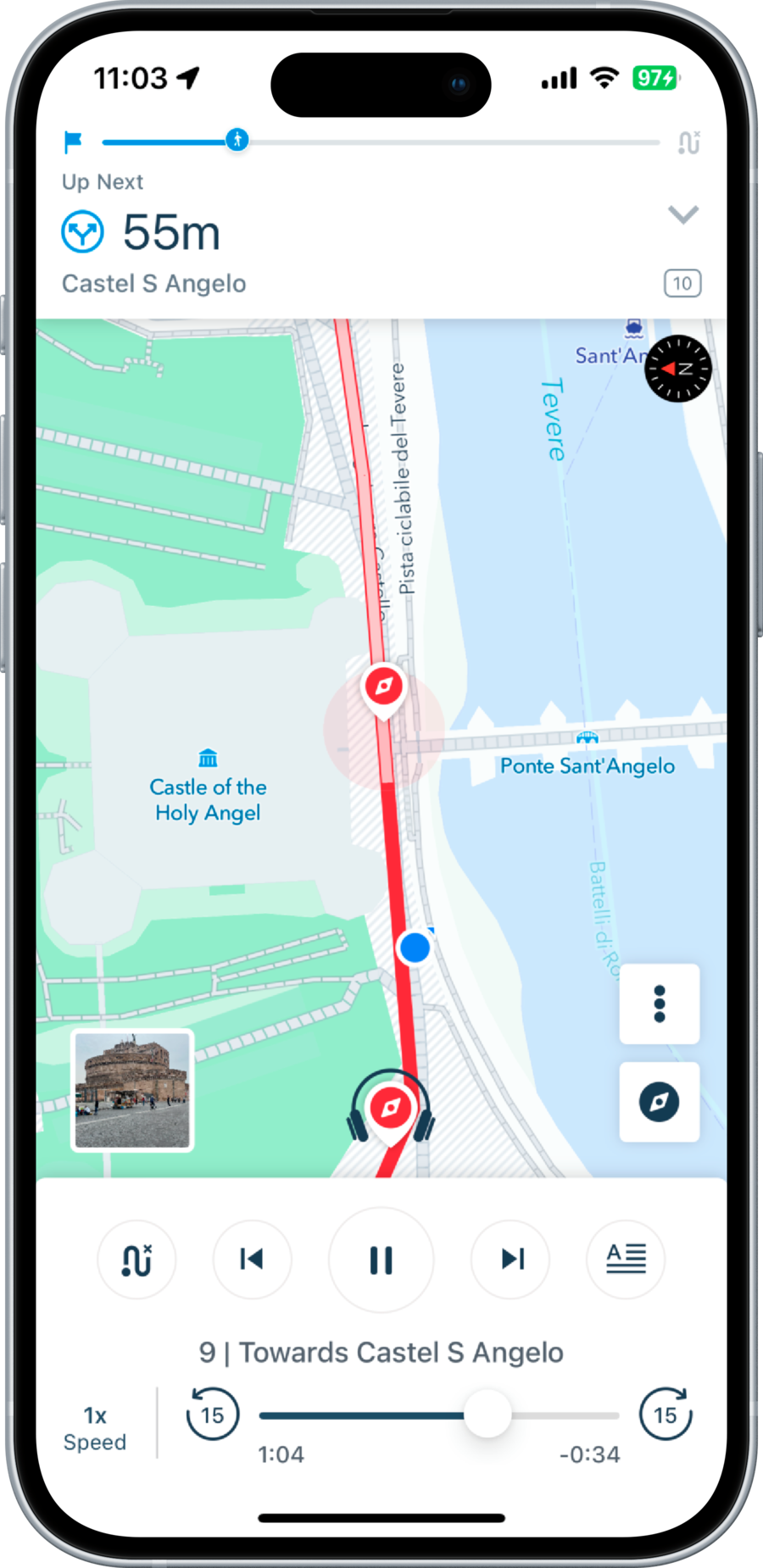
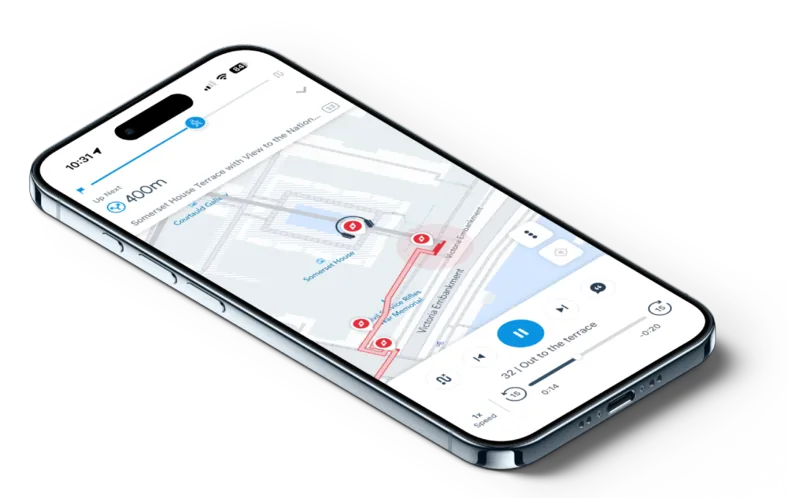
- Listen hands-free with GPS playback
- Get turn-by-turn directions


Scan to get app
Download the app for free
VoiceMap




 App of the Day

 Editor’s Choice






Itchy feet? Us too
VoiceMap’s newsletter scratches that itch and stimulates your senses,
every fortnight. Curiosity is the only currency you need to subscribe.

Exploring is easier with a VoiceMap account
To purchase tours, add them to a wishlist, or access them with the VoiceMap app, please sign in or create a VoiceMap account


Exploring is easier with a VoiceMap account
To purchase tours, add them to a wishlist, or access them with the VoiceMap app, please sign in or create a VoiceMap account