







ATTRACTION
Musée d'Orsay,
Paris

About
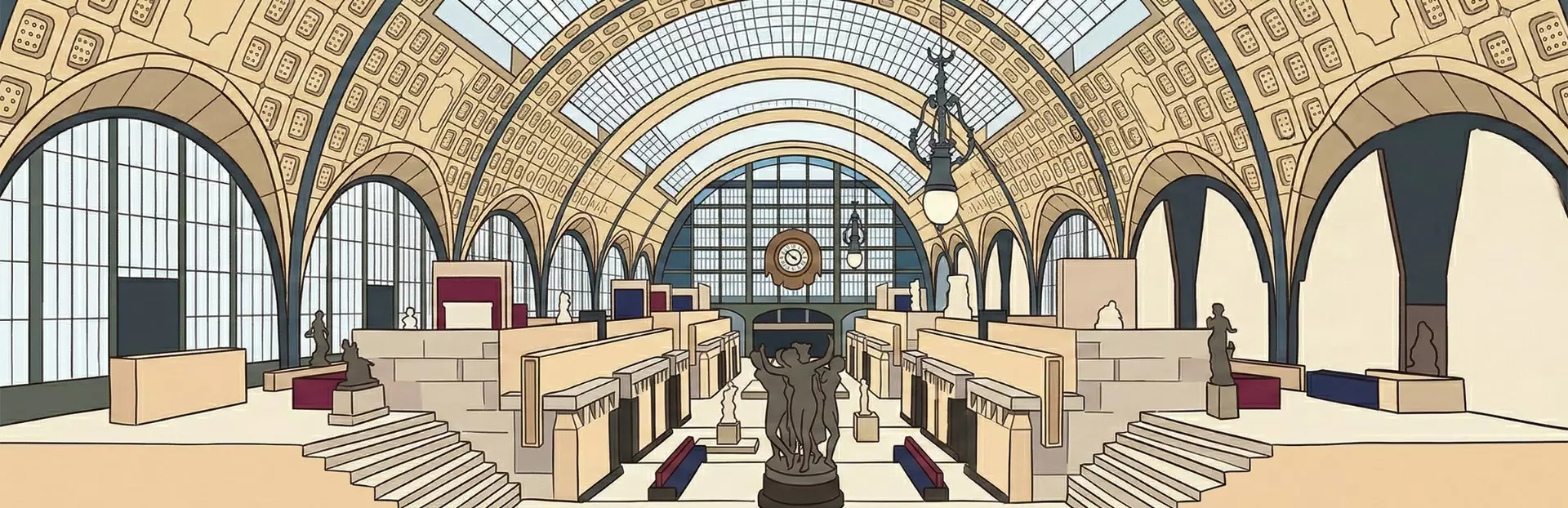
The Musée d'Orsay began its life as a railway terminus, built for the 1900 World's Fair on the banks of the Seine. The platforms fell silent by 1939, the trains having grown too long for the station's underground tracks.
For decades, the building drifted: a wartime prisoner-of-war centre, a temporary home for auction houses, even a film set. In 1986, it reopened as a museum, and it turned out that a vast iron-and-glass shed makes a rather fine cathedral for Impressionism.
Today it holds the world's greatest collection of Impressionist and Post-Impressionist art, including works by Monet, Renoir, Degas, Van Gogh and Cézanne. There's also an extraordinary hoard of Gustave Caillebotte's paintings, collected during his lifetime from friends who happened to be the movement's finest painters.
VoiceMap's self-guided audio tours trace the Orsay's double life as a station and a museum, uncovering the wartime history most visitors walk past and connecting its masterpieces to the streets and studios of Paris where they were made.
For decades, the building drifted: a wartime prisoner-of-war centre, a temporary home for auction houses, even a film set. In 1986, it reopened as a museum, and it turned out that a vast iron-and-glass shed makes a rather fine cathedral for Impressionism.
Today it holds the world's greatest collection of Impressionist and Post-Impressionist art, including works by Monet, Renoir, Degas, Van Gogh and Cézanne. There's also an extraordinary hoard of Gustave Caillebotte's paintings, collected during his lifetime from friends who happened to be the movement's finest painters.
VoiceMap's self-guided audio tours trace the Orsay's double life as a station and a museum, uncovering the wartime history most visitors walk past and connecting its masterpieces to the streets and studios of Paris where they were made.

Tours featuring Musée d'Orsay (1)


Colonial History
Architecture
Scenic Routes
Return to pre-revolutionary Paris to see the city through the US minister's eyes

 Walking Tour
|
 75 mins
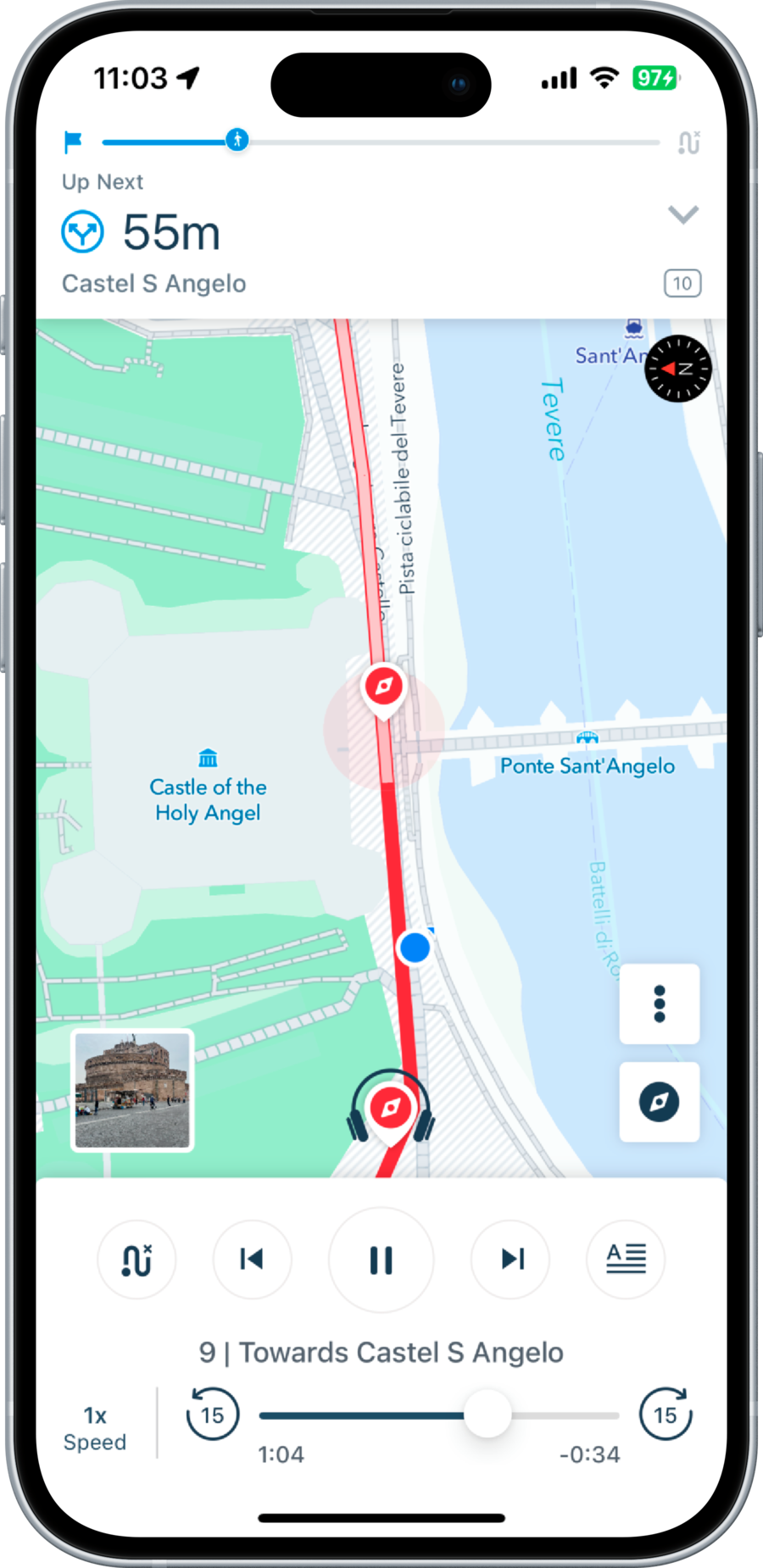
Download the app for free
VoiceMap
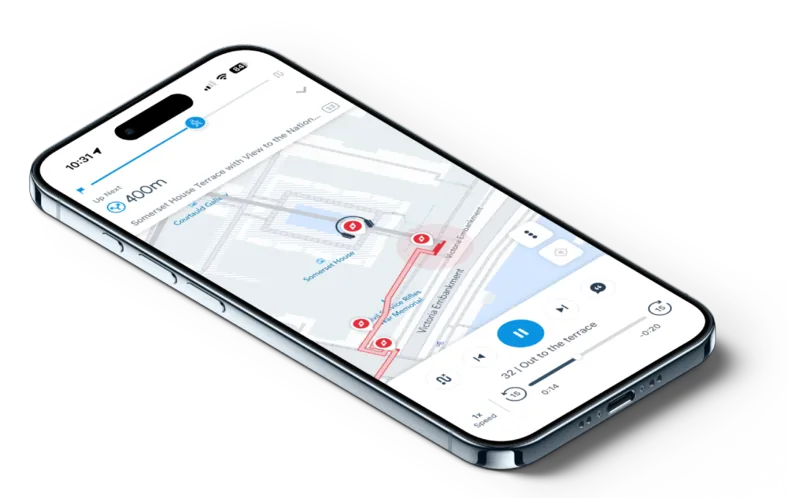
- Download tours to use them offline
- Listen hands-free with GPS playback
- Get turn-by-turn directions


Scan to get app
Download the app for free
VoiceMap




 App of the Day

 Editor’s Choice






Itchy feet? Us too
VoiceMap’s newsletter scratches that itch and stimulates your senses,
every fortnight. Curiosity is the only currency you need to subscribe.

Exploring is easier with a VoiceMap account
To purchase tours, add them to a wishlist, or access them with the VoiceMap app, please sign in or create a VoiceMap account


Exploring is easier with a VoiceMap account
To purchase tours, add them to a wishlist, or access them with the VoiceMap app, please sign in or create a VoiceMap account