







ATTRACTION
Equestrian Statue of Henri IV,
Paris


About
The equestrian statue of Henri IV stands at the western tip of the Île de la Cité, on Pont Neuf, Paris's oldest surviving bridge despite its name meaning "new bridge."
The king depicted is one of France's more complicated monarchs. Born Protestant, he converted to Catholicism to claim the throne, reportedly remarking that Paris was worth a Mass. Before that, he had starved the city into submission, blockading food supplies until Parisians, too hungry to care about religion, finally accepted him.
One of the bas-relief panels at the statue's base shows Henri arriving with bread for the people of Paris. It omits the detail that he was the one who had made them starve.
He was assassinated in his carriage in 1610 by a fanatical Catholic. His killer's subsequent punishment was among the most prolonged and gruesome in French history.
VoiceMap's self-guided audio tours use the statue to trace Henri IV's contradictory legacy, connecting the Pont Neuf to the Place des Vosges and the broader transformation of Paris he set in motion.
The king depicted is one of France's more complicated monarchs. Born Protestant, he converted to Catholicism to claim the throne, reportedly remarking that Paris was worth a Mass. Before that, he had starved the city into submission, blockading food supplies until Parisians, too hungry to care about religion, finally accepted him.
One of the bas-relief panels at the statue's base shows Henri arriving with bread for the people of Paris. It omits the detail that he was the one who had made them starve.
He was assassinated in his carriage in 1610 by a fanatical Catholic. His killer's subsequent punishment was among the most prolonged and gruesome in French history.
VoiceMap's self-guided audio tours use the statue to trace Henri IV's contradictory legacy, connecting the Pont Neuf to the Place des Vosges and the broader transformation of Paris he set in motion.

Tours featuring Equestrian Statue of Henri IV (1)

Architecture
Medieval History
Religious Sites
Reconstruct the city’s history from the Romans, through revolution and empire

 Walking Tour
|
 90 mins
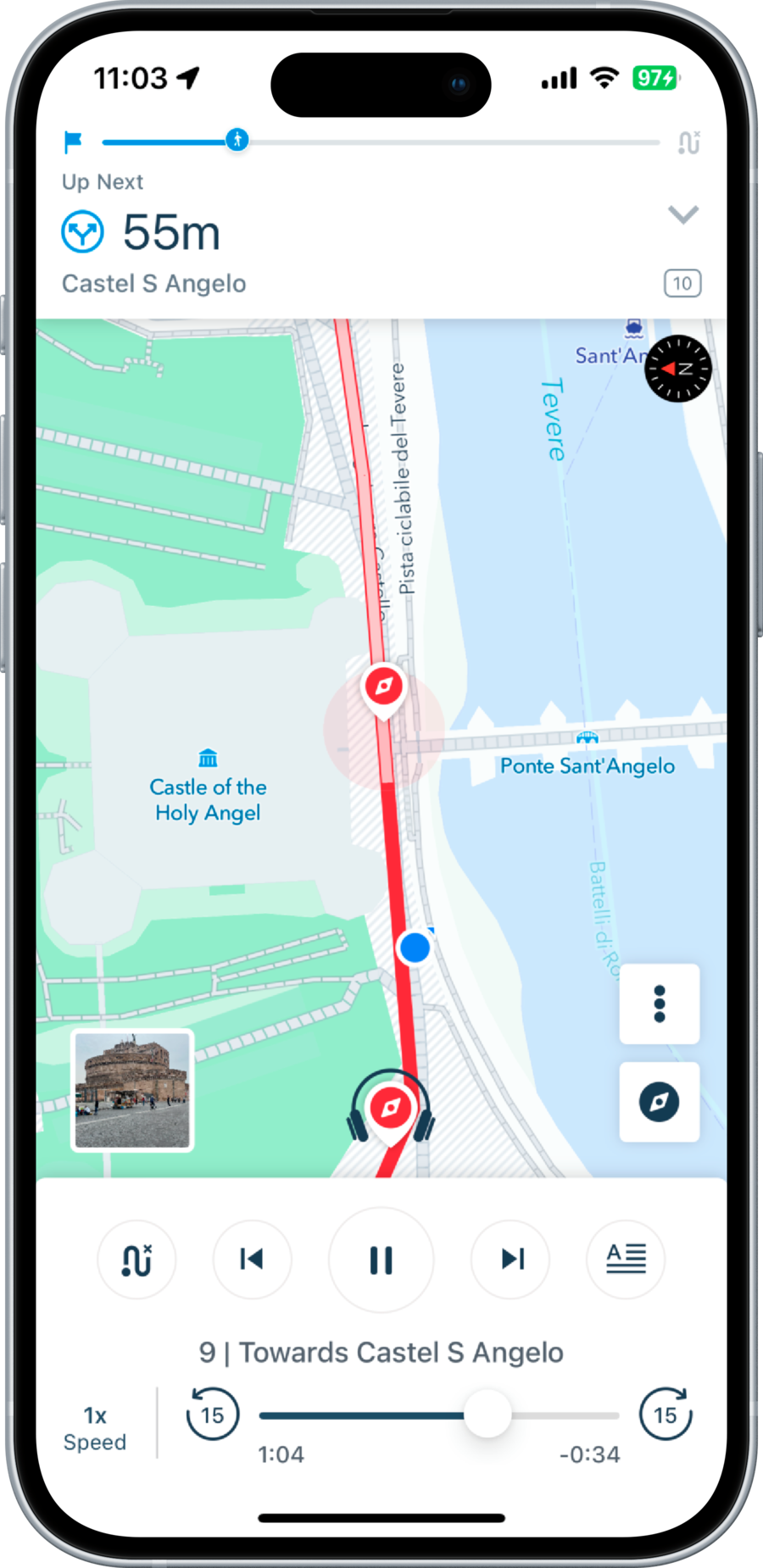
Download the app for free
VoiceMap
- Download tours to use them offline
- Listen hands-free with GPS playback
- Get turn-by-turn directions


Scan to get app
Download the app for free
VoiceMap




 App of the Day

 Editor’s Choice







Itchy feet? Us too
VoiceMap’s newsletter scratches that itch and stimulates your senses,
every fortnight. Curiosity is the only currency you need to subscribe.

Exploring is easier with a VoiceMap account
To purchase tours, add them to a wishlist, or access them with the VoiceMap app, please sign in or create a VoiceMap account


Exploring is easier with a VoiceMap account
To purchase tours, add them to a wishlist, or access them with the VoiceMap app, please sign in or create a VoiceMap account