







ATTRACTION
The Imperial Castle (Kaiserburg),
Nuremberg

About
Nuremberg's first mention comes from a love story between a nobleman and his maid. In 1050, this nobleman fell in love with and wanted to marry his maid. He approached Emperor Henry III, who freed her. The document containing this story became the city's first historical record.
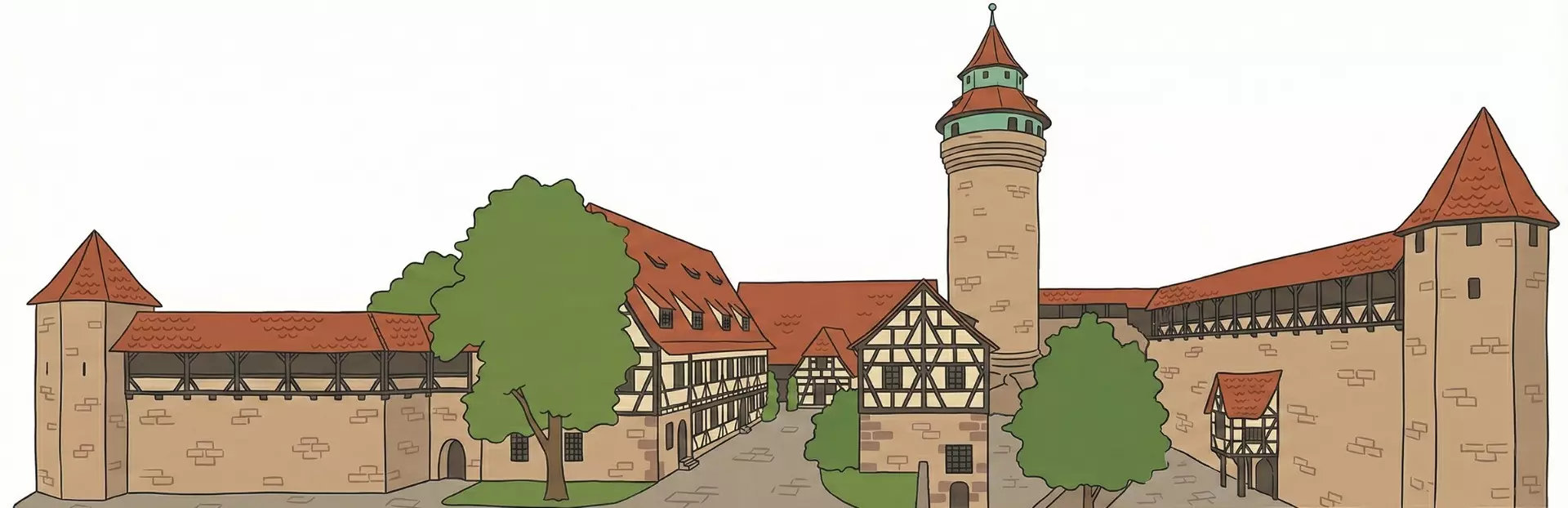
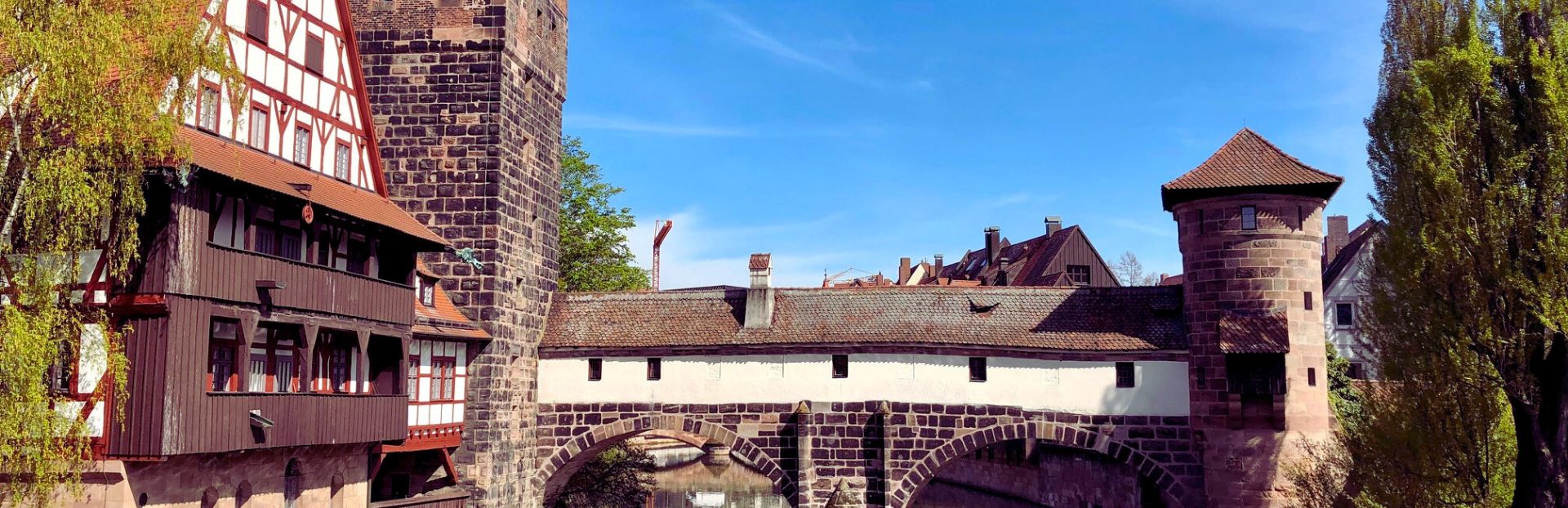
The castle gave the city its name. Built into the hill as much as onto it, "Norimberga" means "nur ein Berg" in old German: only a hill, or rock hill. Where the emperor loved to live, everyone else wanted to live. Settlements grew on the two banks of the Pegnitz. The castle hosted imperial meetings, judicial sessions and banquets. Charles IV's Golden Bull of 1356 decreed every new emperor must hold his first Reichstag here.
The citizens never furnished the castle permanently. Before each imperial visit, they cleaned and furnished it. After the emperor left, they emptied it again.
VoiceMap's self-guided audio tours reveal how the castle anchored the Holy Roman Empire's power, connect its unfurnished halls to the crown jewels stored nearby for 350 years, and trace Nuremberg's evolution from imperial seat to independent city.
The castle gave the city its name. Built into the hill as much as onto it, "Norimberga" means "nur ein Berg" in old German: only a hill, or rock hill. Where the emperor loved to live, everyone else wanted to live. Settlements grew on the two banks of the Pegnitz. The castle hosted imperial meetings, judicial sessions and banquets. Charles IV's Golden Bull of 1356 decreed every new emperor must hold his first Reichstag here.
The citizens never furnished the castle permanently. Before each imperial visit, they cleaned and furnished it. After the emperor left, they emptied it again.
VoiceMap's self-guided audio tours reveal how the castle anchored the Holy Roman Empire's power, connect its unfurnished halls to the crown jewels stored nearby for 350 years, and trace Nuremberg's evolution from imperial seat to independent city.

Tours featuring the Imperial Castle (Kaiserburg) (2)

Schlendere durch die Stadt mit ihrer 1000-jährigen Geschichte und Kaiserburg

 Walking Tour
|
 60 mins
Medieval History
Architecture
Food And Drink
Page through the city's surprising history on a quest for castles and gold
Walking Tour
|
60 mins
Download the app for free
VoiceMap
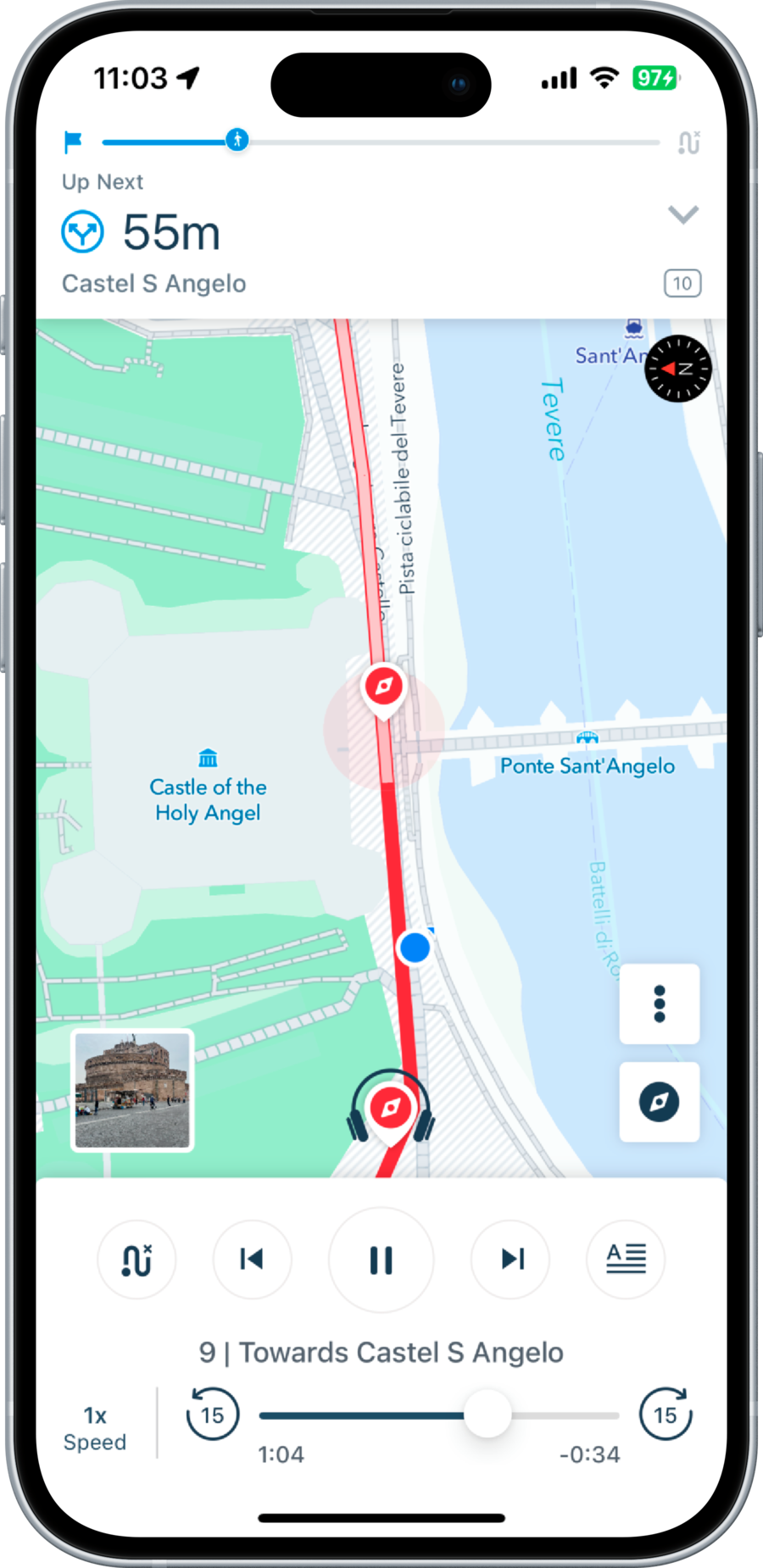
- Download tours to use them offline
- Listen hands-free with GPS playback
- Get turn-by-turn directions


Scan to get app
Download the app for free
VoiceMap




 App of the Day

 Editor’s Choice







Itchy feet? Us too
VoiceMap’s newsletter scratches that itch and stimulates your senses,
every fortnight. Curiosity is the only currency you need to subscribe.

Exploring is easier with a VoiceMap account
To purchase tours, add them to a wishlist, or access them with the VoiceMap app, please sign in or create a VoiceMap account


Exploring is easier with a VoiceMap account
To purchase tours, add them to a wishlist, or access them with the VoiceMap app, please sign in or create a VoiceMap account