







ATTRACTION
Castel Capuano,
Naples


About
Castel Capuano is the second oldest of Naples' castles, and it wears its history like a suitcase wears travel stickers: layer on untidy layer.
Norman king William I began it in the 1100s, Frederick II enlarged it a century later, and Angevin Queen Joanna extended it further. Its most memorable moment came in 1432, when courtier Sergianni Caracciolo was stabbed to death in his bedroom by four knights, allegedly on the queen's orders.
In 1540, Spanish viceroy Don Pedro de Toledo turned the castle into a courthouse, a role it kept for four centuries. The judges have since moved out, and the building now waits behind locked gates, destined to become a museum. Its name comes from the nearby Porta Capuana, the old gate to Capua.
VoiceMap's self-guided audio tours use the castle's shifting facade to trace Naples' revolving cast of rulers, Norman to Spanish, through the old centre.
Norman king William I began it in the 1100s, Frederick II enlarged it a century later, and Angevin Queen Joanna extended it further. Its most memorable moment came in 1432, when courtier Sergianni Caracciolo was stabbed to death in his bedroom by four knights, allegedly on the queen's orders.
In 1540, Spanish viceroy Don Pedro de Toledo turned the castle into a courthouse, a role it kept for four centuries. The judges have since moved out, and the building now waits behind locked gates, destined to become a museum. Its name comes from the nearby Porta Capuana, the old gate to Capua.
VoiceMap's self-guided audio tours use the castle's shifting facade to trace Naples' revolving cast of rulers, Norman to Spanish, through the old centre.

Tours featuring Castel Capuano (1)


Religious Sites
Ancient History
Modern History
Sense local pride in the three-millennia-old city where pizza was born

 Walking Tour
|
 90 mins
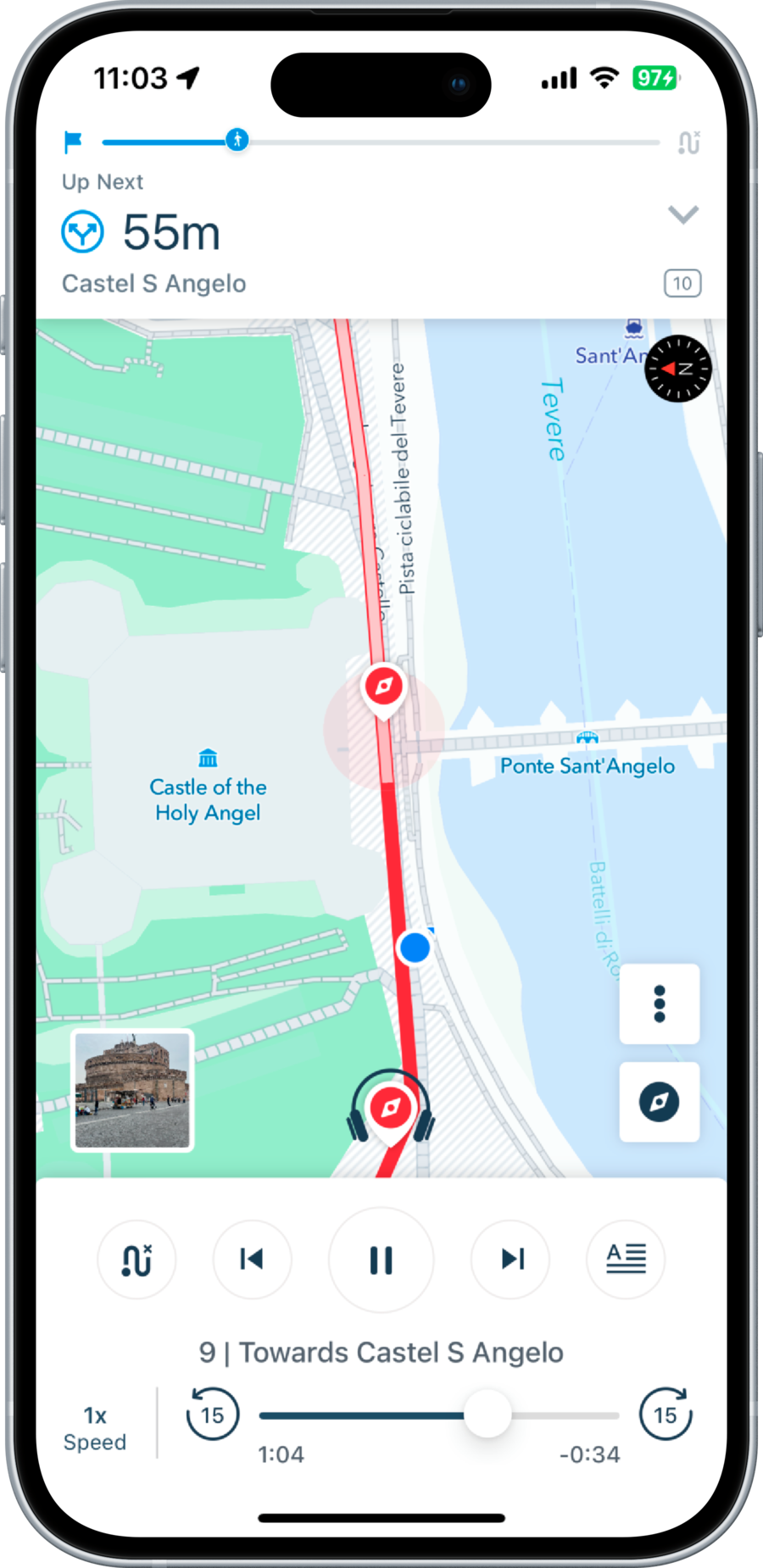
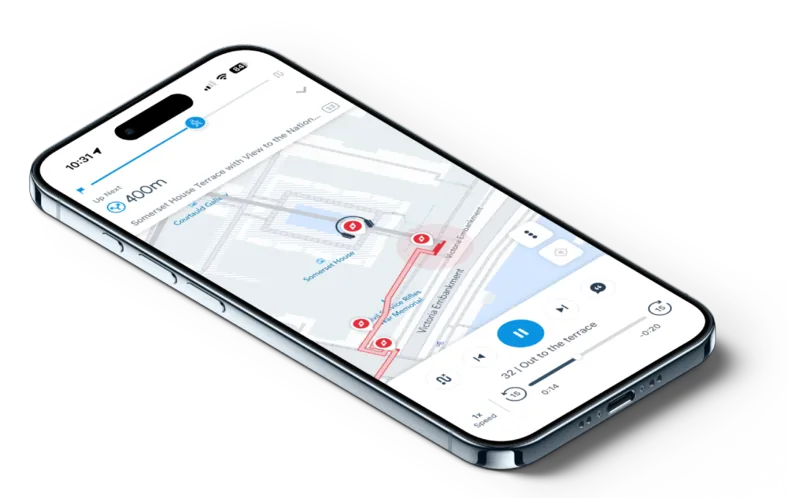
Download the app for free
VoiceMap
- Download tours to use them offline
- Listen hands-free with GPS playback
- Get turn-by-turn directions


Scan to get app
Download the app for free
VoiceMap




 App of the Day

 Editor’s Choice






Itchy feet? Us too
VoiceMap’s newsletter scratches that itch and stimulates your senses,
every fortnight. Curiosity is the only currency you need to subscribe.

Exploring is easier with a VoiceMap account
To purchase tours, add them to a wishlist, or access them with the VoiceMap app, please sign in or create a VoiceMap account


Exploring is easier with a VoiceMap account
To purchase tours, add them to a wishlist, or access them with the VoiceMap app, please sign in or create a VoiceMap account