







ATTRACTION
Alcazaba ,
Málaga

About
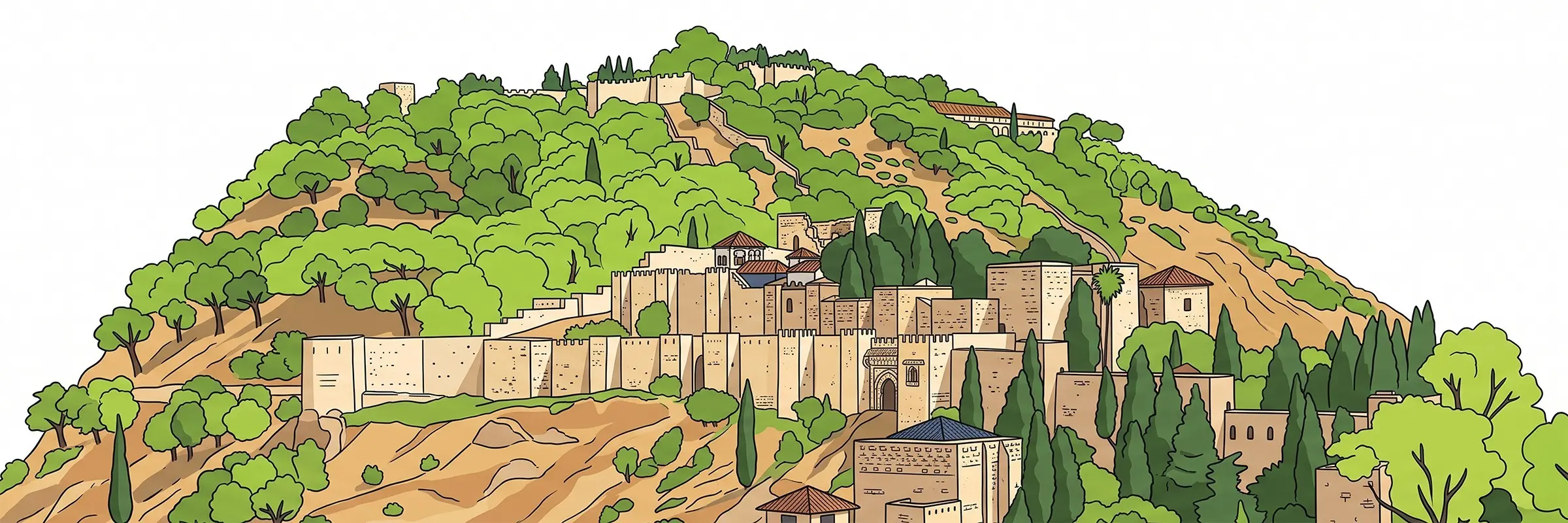
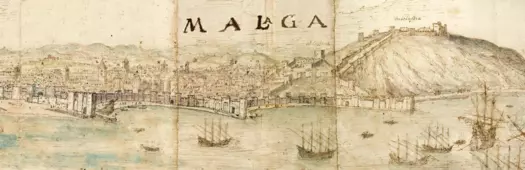
Málaga’s Alcazaba sits on a hill with a very long memory. Archaeologists suspect a Phoenician fort once stood here, and when the Zirid dynasty began building the fortress in the eleventh century, they recycled marble straight from the Roman theatre at its foot, a piece of recycling that still shows today.
The Kingdom of Granada later expanded the complex and linked it to Gibralfaro Castle above by a fortified corridor called the coracha, creating a double-layered defence so tight that attackers rarely got past the lower gate. Inside, horseshoe arches and fountain courtyards hint at the aristocracy’s quarters, a world away from the soldiers’ workshops below. By the early 1900s the upper fortress had become a crowded slum without running water, saved from demolition only by Juan Temboury’s restoration, whose statue now greets visitors at the entrance.
VoiceMap’s self-guided audio tours use the Alcazaba to trace Málaga’s Phoenician, Roman, Islamic and modern layers, following how one hilltop stronghold became the city’s most photographed view.
The Kingdom of Granada later expanded the complex and linked it to Gibralfaro Castle above by a fortified corridor called the coracha, creating a double-layered defence so tight that attackers rarely got past the lower gate. Inside, horseshoe arches and fountain courtyards hint at the aristocracy’s quarters, a world away from the soldiers’ workshops below. By the early 1900s the upper fortress had become a crowded slum without running water, saved from demolition only by Juan Temboury’s restoration, whose statue now greets visitors at the entrance.
VoiceMap’s self-guided audio tours use the Alcazaba to trace Málaga’s Phoenician, Roman, Islamic and modern layers, following how one hilltop stronghold became the city’s most photographed view.

Tours featuring Alcazaba (2)


Industrial Revolution
Modern History
Revolution
Dive into how industrialists, anarchists, and tourists forged this port city

 Walking Tour
|
 120 mins
Medieval History
Scenic Routes
Ancient History
Re-examine one of the Mediterranean coast’s oldest cities with an architect
 Walking Tour
|
120 mins
Download the app for free
VoiceMap
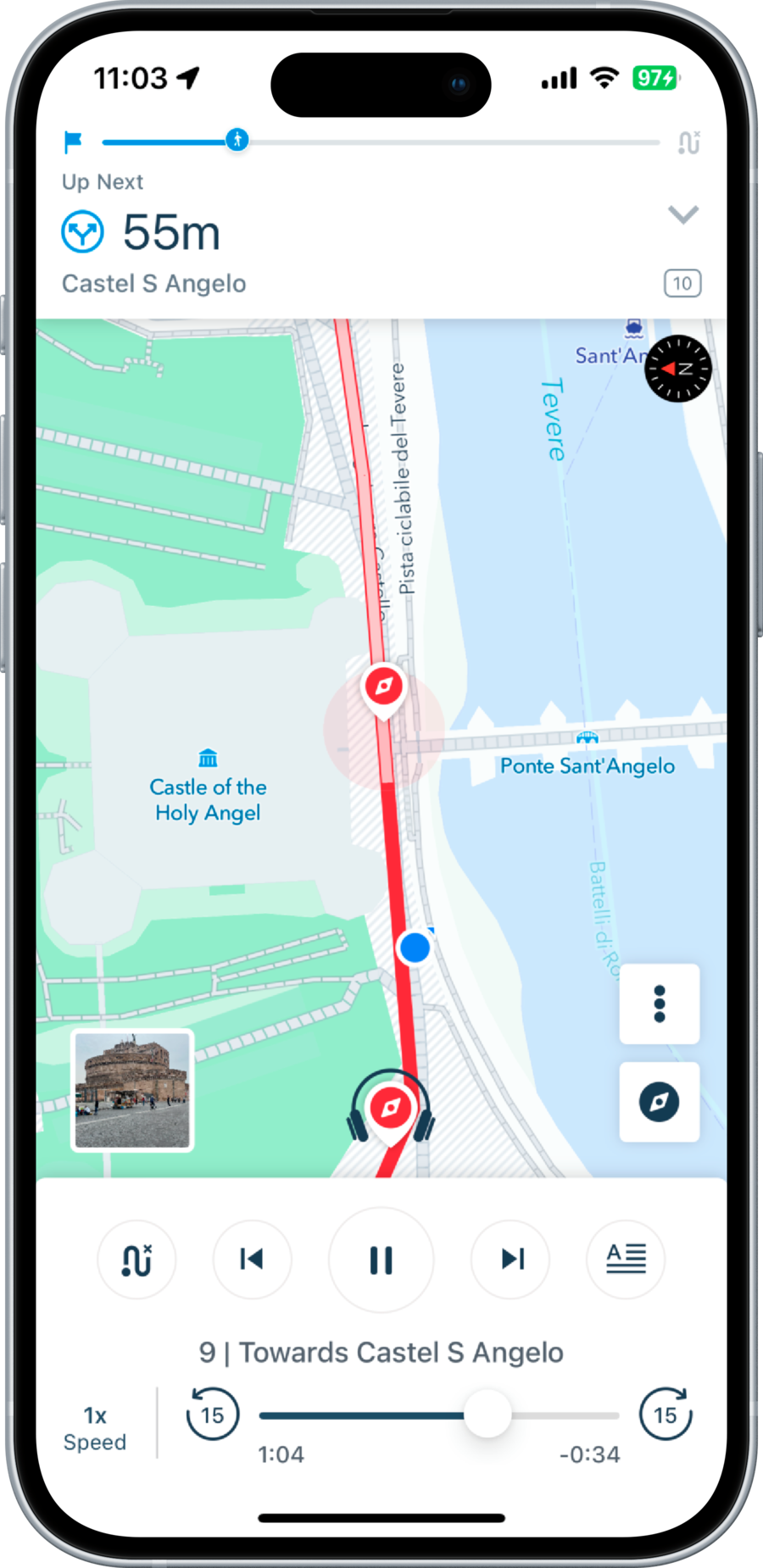
- Download tours to use them offline
- Listen hands-free with GPS playback
- Get turn-by-turn directions


Scan to get app
Download the app for free
VoiceMap




 App of the Day

 Editor’s Choice







Itchy feet? Us too
VoiceMap’s newsletter scratches that itch and stimulates your senses,
every fortnight. Curiosity is the only currency you need to subscribe.

Exploring is easier with a VoiceMap account
To purchase tours, add them to a wishlist, or access them with the VoiceMap app, please sign in or create a VoiceMap account


Exploring is easier with a VoiceMap account
To purchase tours, add them to a wishlist, or access them with the VoiceMap app, please sign in or create a VoiceMap account