





ATTRACTION
The Tate Modern,
London

About
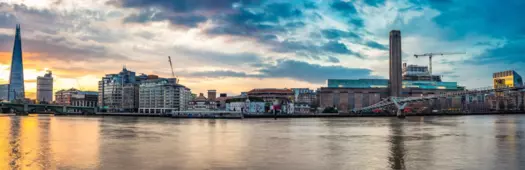
The Tate Modern occupies a former power station on the south bank of the Thames, and the building's history is inseparable from its neighbourhood.
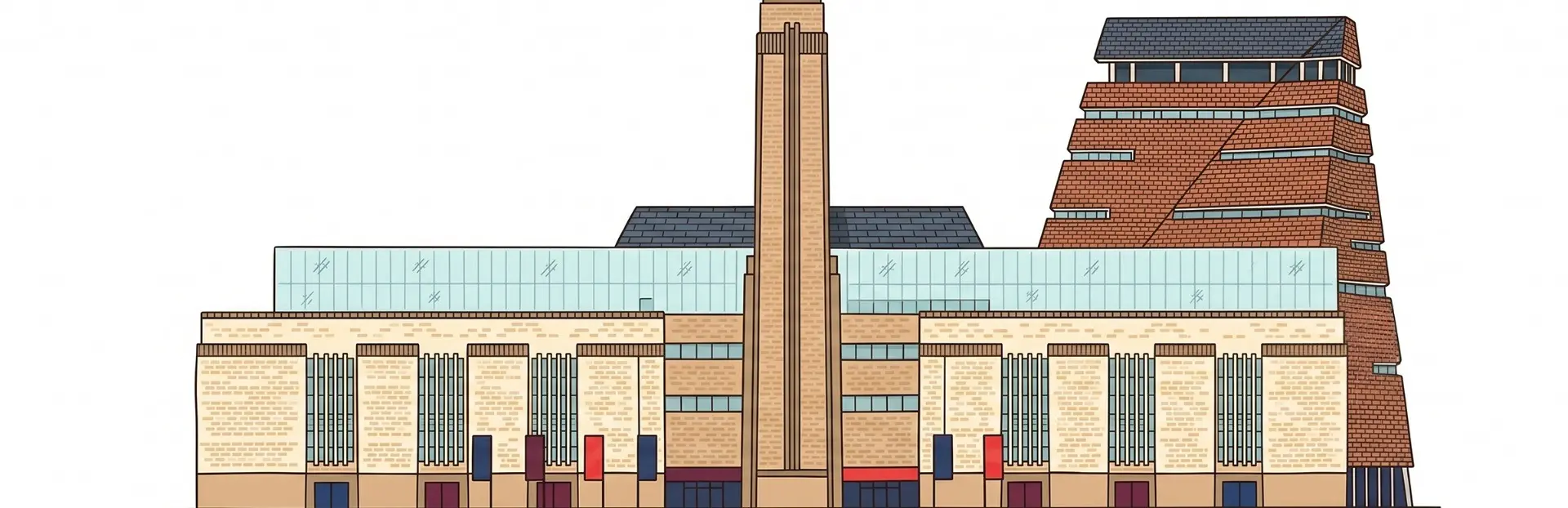
Sir Giles Gilbert Scott designed the oil-fired Bankside Power Station between 1947 and 1963, the same architect behind Battersea Power Station and Waterloo Bridge. It closed in 1981 as oil prices made it unviable, then sat derelict until Swiss architects Herzog and de Meuron converted it into a gallery, opening in 2000.
They preserved Scott's 99-metre chimney and turned the vast turbine hall into one of the most dramatic interior spaces in Britain. Bankside has long operated outside the City of London's jurisdiction, which once made it the natural address for brothels, bear-baiting rings and Shakespeare's playhouses. The power station fits neatly into that tradition.
VoiceMap's South Bank tours trace this riverside stretch from the Monument to the Great Fire through Southwark's medieval entertainments to Tate Modern, placing the gallery at the end of four centuries of things the City would rather not look at directly.
Sir Giles Gilbert Scott designed the oil-fired Bankside Power Station between 1947 and 1963, the same architect behind Battersea Power Station and Waterloo Bridge. It closed in 1981 as oil prices made it unviable, then sat derelict until Swiss architects Herzog and de Meuron converted it into a gallery, opening in 2000.
They preserved Scott's 99-metre chimney and turned the vast turbine hall into one of the most dramatic interior spaces in Britain. Bankside has long operated outside the City of London's jurisdiction, which once made it the natural address for brothels, bear-baiting rings and Shakespeare's playhouses. The power station fits neatly into that tradition.
VoiceMap's South Bank tours trace this riverside stretch from the Monument to the Great Fire through Southwark's medieval entertainments to Tate Modern, placing the gallery at the end of four centuries of things the City would rather not look at directly.

Tours featuring the Tate Modern (4)

Ancient History
Religious Sites
Medieval History
Follow Chaucer and Shakespeare across London Bridge into 2,000 years of history

 Walking Tour
|
 90 mins
Religious Sites
Architecture
Ancient History
See the vibrant side of the Thames that was historically sidelined by the City
 Walking Tour
|
90 mins

Maritime Heritage
Royal Heritage
Literature
Laugh your way through washed-up stories of fires, fools and forgotten scandals
 Walking Tour
|
75 mins

Modern History
Top Sights
Medieval History
Dig into Bankside’s oddities with Stephen Fry and the team behind the BBC's QI
 Walking Tour
|
75 mins
Download the app for free
VoiceMap
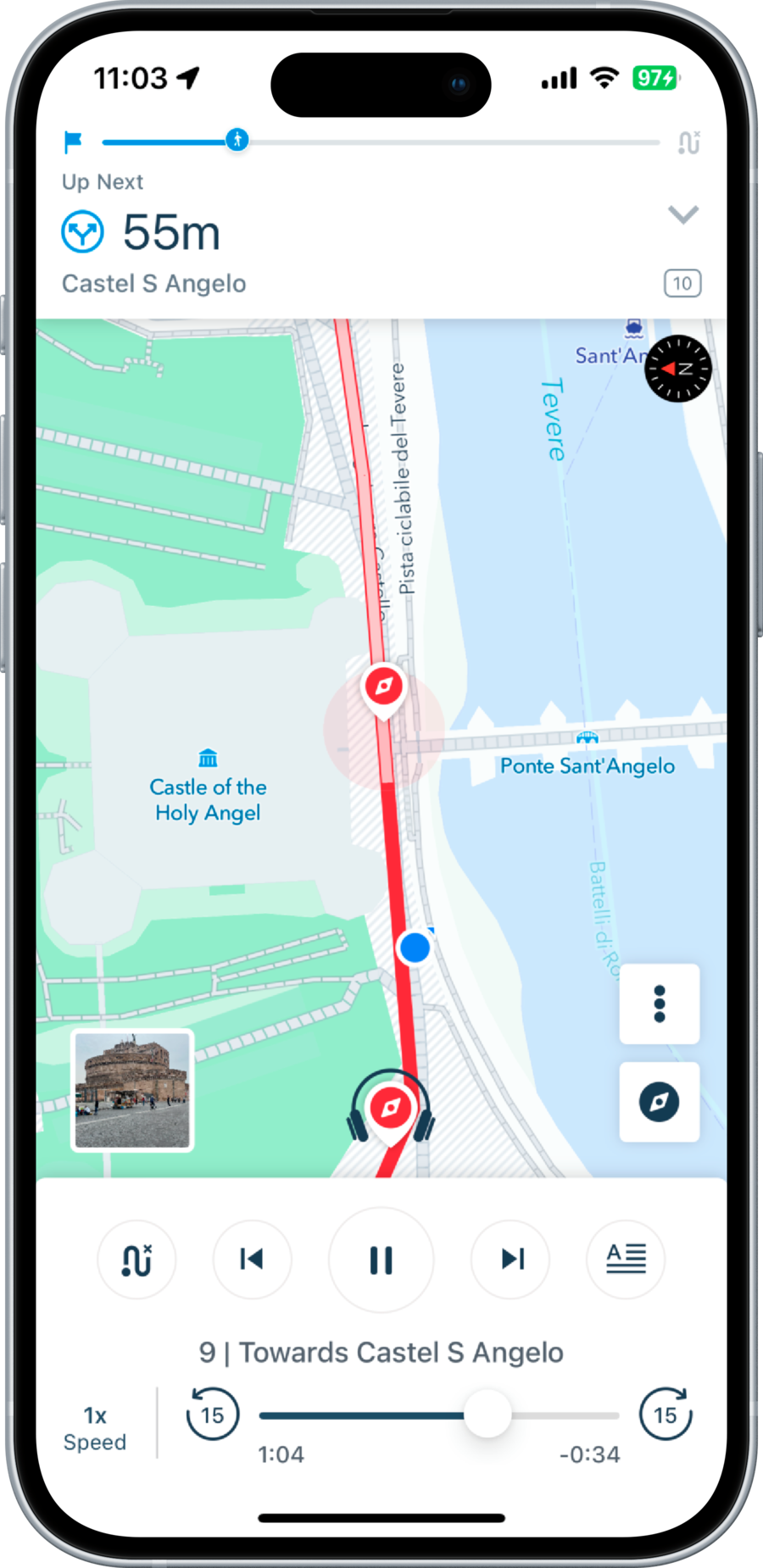
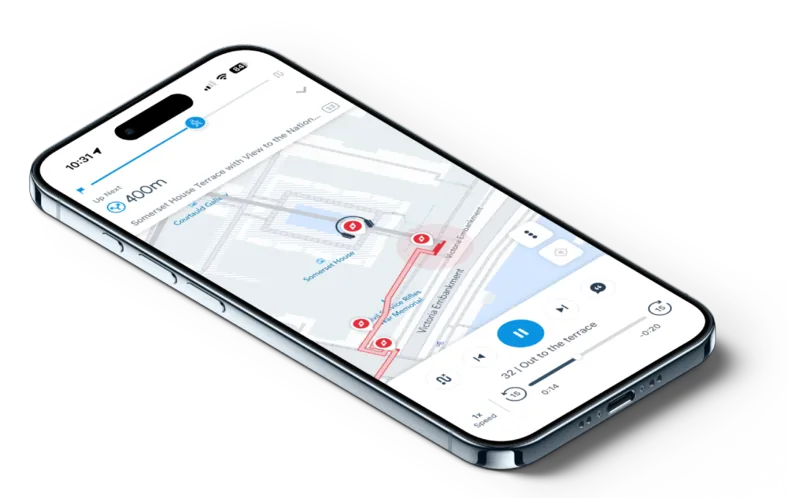
- Download tours to use them offline
- Listen hands-free with GPS playback
- Get turn-by-turn directions


Scan to get app
Download the app for free
VoiceMap




 App of the Day

 Editor’s Choice






Itchy feet? Us too
VoiceMap’s newsletter scratches that itch and stimulates your senses,
every fortnight. Curiosity is the only currency you need to subscribe.

Exploring is easier with a VoiceMap account
To purchase tours, add them to a wishlist, or access them with the VoiceMap app, please sign in or create a VoiceMap account


Exploring is easier with a VoiceMap account
To purchase tours, add them to a wishlist, or access them with the VoiceMap app, please sign in or create a VoiceMap account