







ATTRACTION
Sultanahmet Square,
Istanbul


About
Sultanahmet Square sits on the bones of one of the ancient world's great sporting arenas. For nearly a thousand years, the Byzantine Hippodrome here could pack in 100,000 spectators for chariot races and political spectacles. The Roman emperors who built it looted obelisks from Egypt and a bronze column from Delphi to adorn its spine. Those monuments still stand in the square today, battered but unmistakable.
Then the Ottomans arrived. Sultan Ahmed I was nineteen years old when he decided to build a mosque on the Hippodrome's flank. In 1898, Kaiser Wilhelm II added his own monument: a fountain, built in Germany and shipped over in pieces as a diplomatic gift with an ulterior motive.
VoiceMap's self-guided audio tours use the square to trace three empires in a single walk, explaining why each dynasty felt compelled to leave its mark on exactly this spot.
Then the Ottomans arrived. Sultan Ahmed I was nineteen years old when he decided to build a mosque on the Hippodrome's flank. In 1898, Kaiser Wilhelm II added his own monument: a fountain, built in Germany and shipped over in pieces as a diplomatic gift with an ulterior motive.
VoiceMap's self-guided audio tours use the square to trace three empires in a single walk, explaining why each dynasty felt compelled to leave its mark on exactly this spot.

Tours featuring Sultanahmet Square (1)


Top Sights
War And Military
Ancient History
Walk in the shadow of iconic monuments where historic empires and faiths clashed

 Walking Tour
|
 90 mins
Download the app for free
VoiceMap
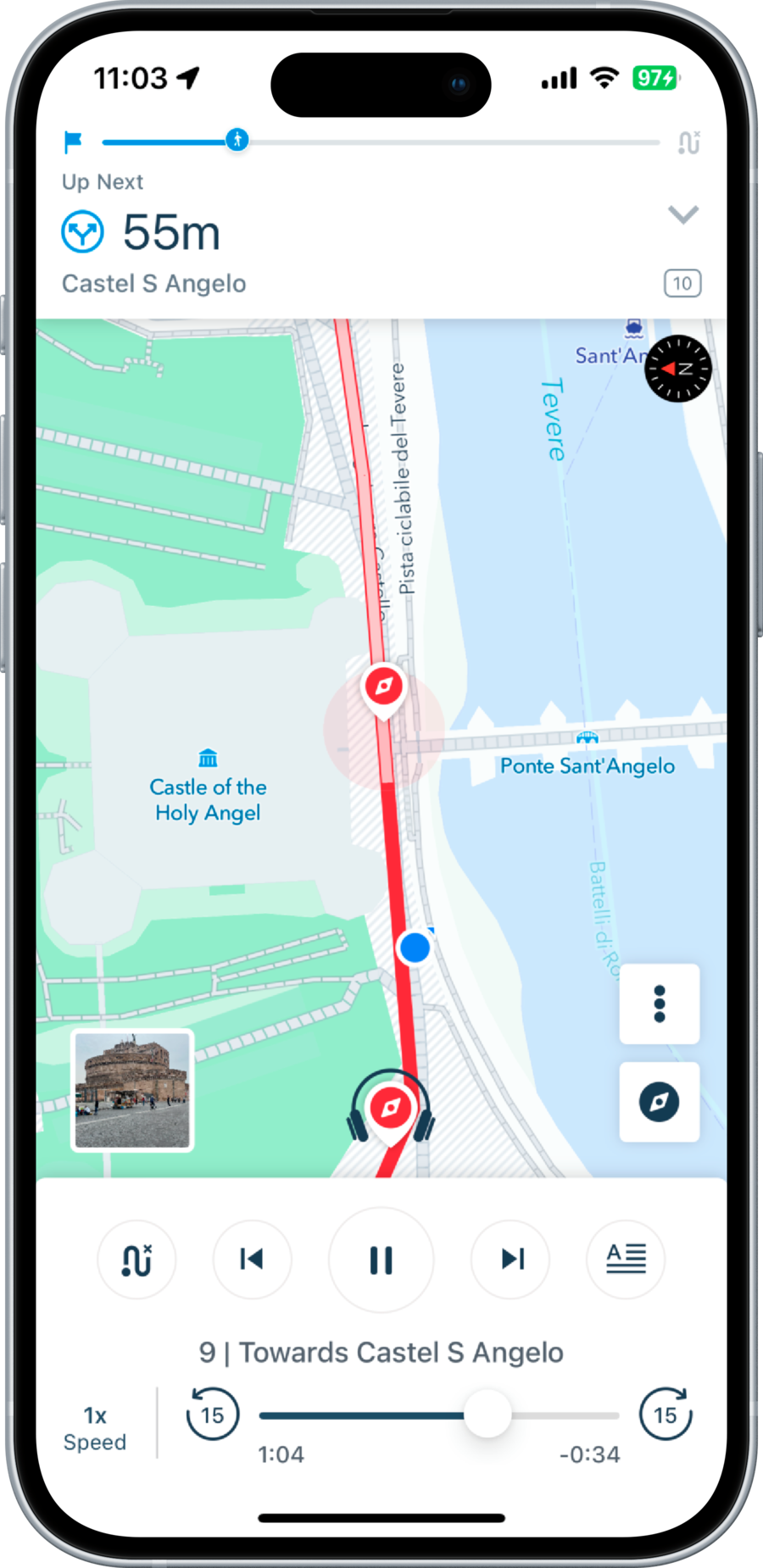
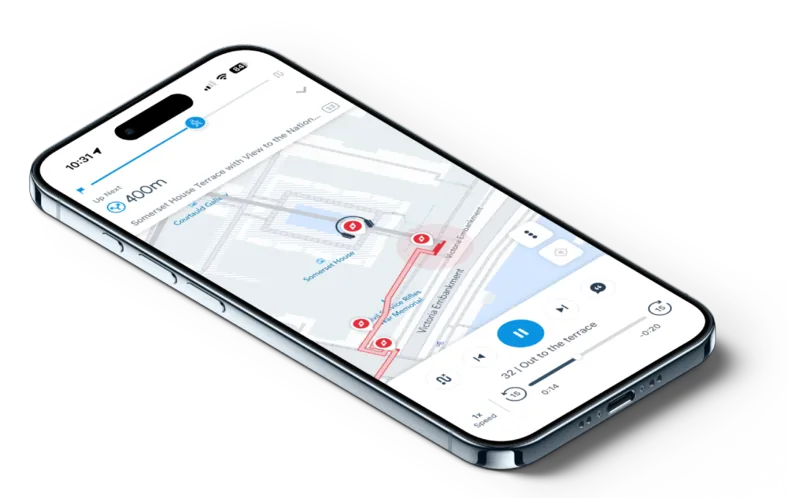
- Download tours to use them offline
- Listen hands-free with GPS playback
- Get turn-by-turn directions


Scan to get app
Download the app for free
VoiceMap




 App of the Day

 Editor’s Choice






Itchy feet? Us too
VoiceMap’s newsletter scratches that itch and stimulates your senses,
every fortnight. Curiosity is the only currency you need to subscribe.

Exploring is easier with a VoiceMap account
To purchase tours, add them to a wishlist, or access them with the VoiceMap app, please sign in or create a VoiceMap account


Exploring is easier with a VoiceMap account
To purchase tours, add them to a wishlist, or access them with the VoiceMap app, please sign in or create a VoiceMap account