




ATTRACTION
Hagia Sophia,
Istanbul

About
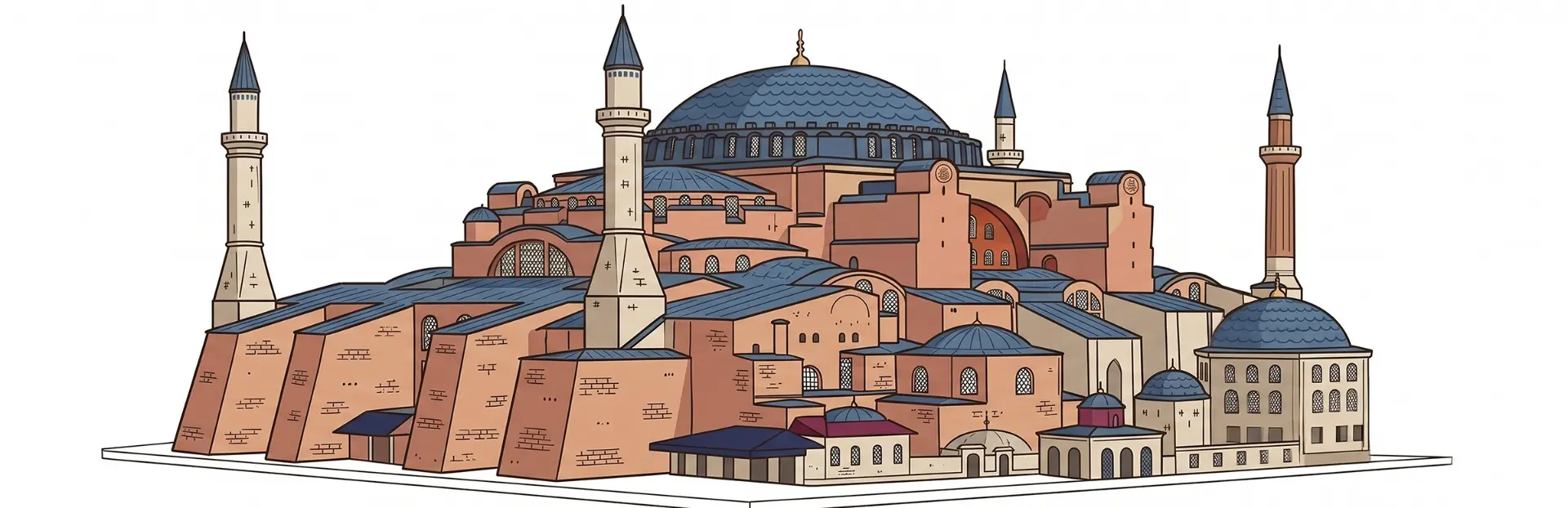
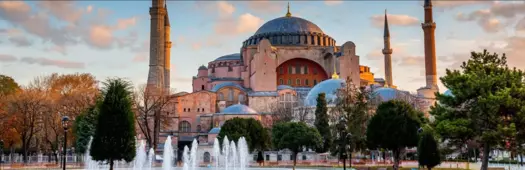
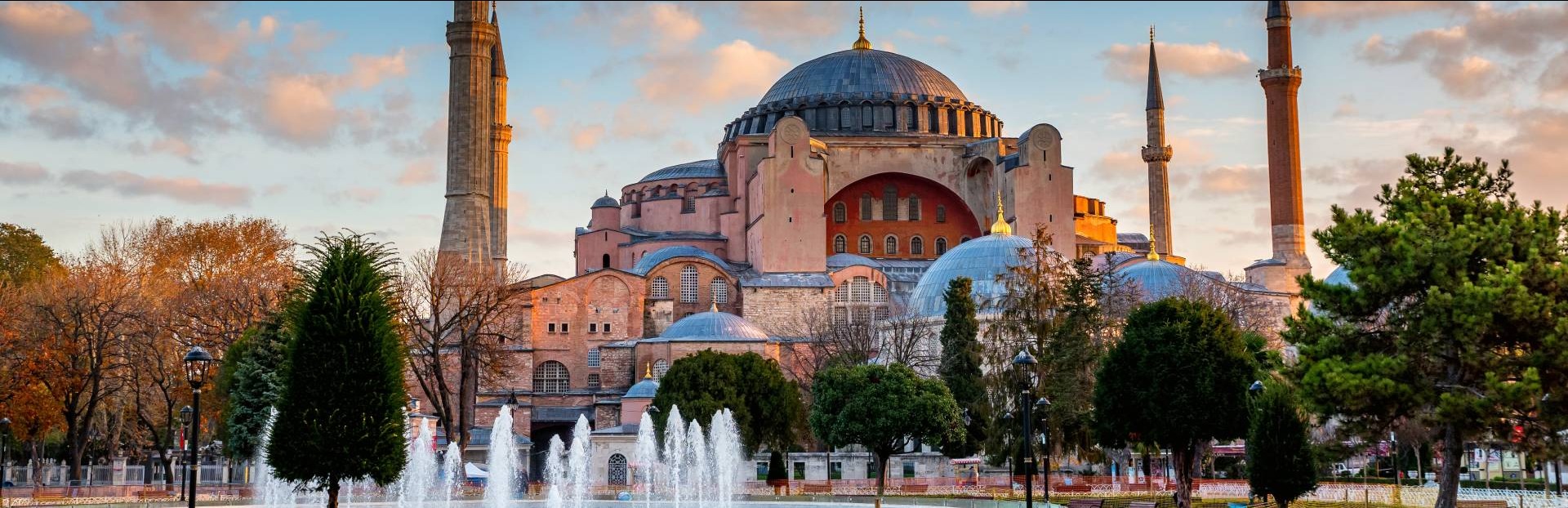
Hagia Sophia has spent fifteen centuries confounding expectations. Built by Emperor Justinian I in 537, it was the largest cathedral in the world for nearly a thousand years. When the Ottomans took Constantinople in 1453, Mehmed II rode inside on horseback, had sand thrown on the floor as an act of humility, and converted it into a mosque. In 1934, a museum. In 2020, a mosque again.
The building holds surprises most visitors miss. Tucked into a marble gallery upstairs is a runic inscription by a Viking called Halfdan, a Scandinavian mercenary who served as an imperial bodyguard and felt compelled to record the fact. Around him rose the mosaics, minarets and vast dome that successive rulers have claimed and reclaimed ever since.
VoiceMap's self-guided audio tours unpack Hagia Sophia's layered history and place it in the broader sweep of Istanbul, from Byzantine foundations to Ottoman transformation and beyond.
The building holds surprises most visitors miss. Tucked into a marble gallery upstairs is a runic inscription by a Viking called Halfdan, a Scandinavian mercenary who served as an imperial bodyguard and felt compelled to record the fact. Around him rose the mosaics, minarets and vast dome that successive rulers have claimed and reclaimed ever since.
VoiceMap's self-guided audio tours unpack Hagia Sophia's layered history and place it in the broader sweep of Istanbul, from Byzantine foundations to Ottoman transformation and beyond.

Tours featuring Hagia Sophia (1)

Top Sights
War And Military
Ancient History
Walk in the shadow of iconic monuments where historic empires and faiths clashed

 Walking Tour
|
 90 mins
Download the app for free
VoiceMap
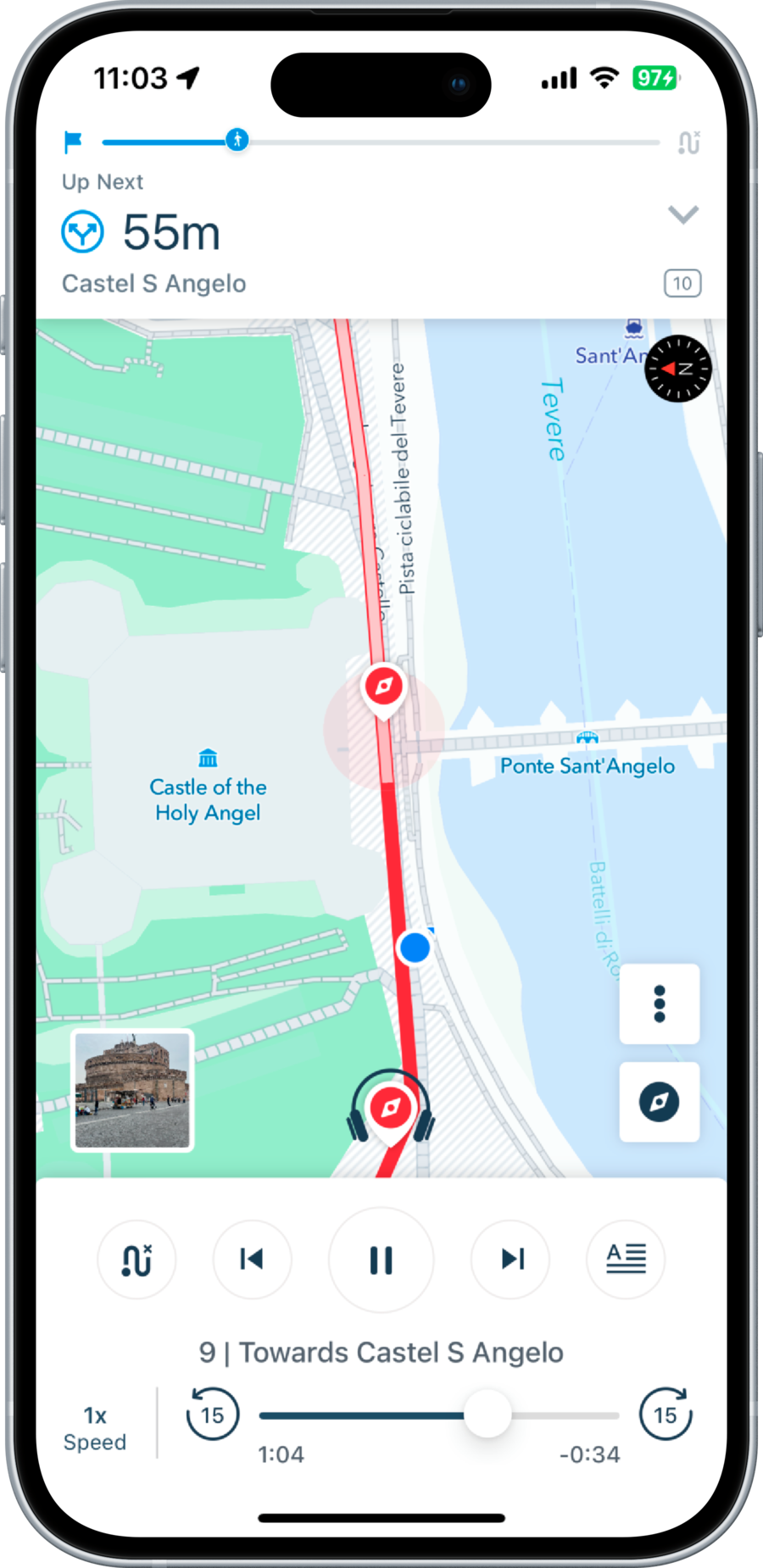
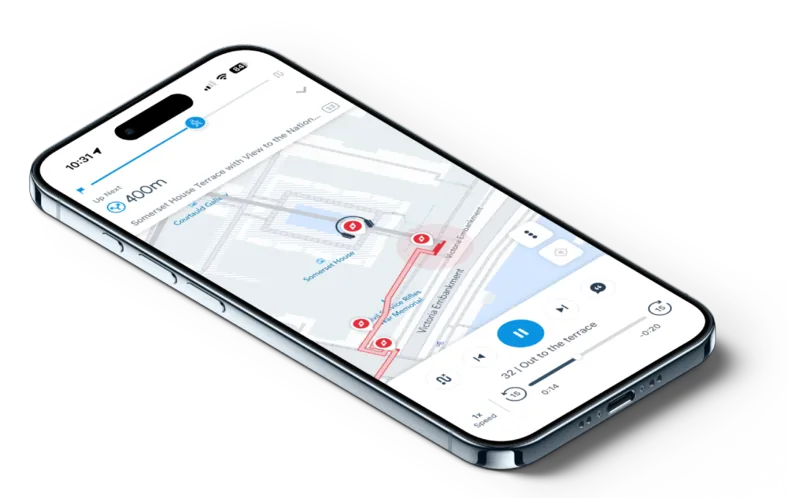
- Download tours to use them offline
- Listen hands-free with GPS playback
- Get turn-by-turn directions


Scan to get app
Download the app for free
VoiceMap




 App of the Day

 Editor’s Choice




Itchy feet? Us too
VoiceMap’s newsletter scratches that itch and stimulates your senses,
every fortnight. Curiosity is the only currency you need to subscribe.

Exploring is easier with a VoiceMap account
To purchase tours, add them to a wishlist, or access them with the VoiceMap app, please sign in or create a VoiceMap account


Exploring is easier with a VoiceMap account
To purchase tours, add them to a wishlist, or access them with the VoiceMap app, please sign in or create a VoiceMap account