







ATTRACTION
Uspenski Cathedral,
Helsinki


About
Uspenski Cathedral sits on a hill in Helsinki's Katajanokka district. Its russet-red brick walls are topped by fourteen green and gold onion domes, the largest rising over thirty-three metres, roughly the height of an eleven-story building. It is the largest Orthodox cathedral in Western Europe. Its name is drawn from the Old Church Slavonic word for the Dormition of the Virgin Mary.
Its construction was a genuinely international affair. In 1814, Tsar Alexander I set aside fifteen percent of the salt import tax to fund two new churches for Finland's capital, one Lutheran, one Orthodox. Russian architect Aleksey Gornostayev designed the cathedral but died before seeing it finished in 1868. Its 700,000 bricks were shipped across from the dismantled Bomarsund Fortress, a relic of the Crimean War.
VoiceMap's self-guided audio tours pair the cathedral with the neoclassical Senate Square nearby, tracing Helsinki's shifting allegiances between Sweden, Russia and Finnish independence.
Its construction was a genuinely international affair. In 1814, Tsar Alexander I set aside fifteen percent of the salt import tax to fund two new churches for Finland's capital, one Lutheran, one Orthodox. Russian architect Aleksey Gornostayev designed the cathedral but died before seeing it finished in 1868. Its 700,000 bricks were shipped across from the dismantled Bomarsund Fortress, a relic of the Crimean War.
VoiceMap's self-guided audio tours pair the cathedral with the neoclassical Senate Square nearby, tracing Helsinki's shifting allegiances between Sweden, Russia and Finnish independence.

Tours featuring Uspenski Cathedral (2)


Scenic Routes
Top Sights
Modern History
Stroll through the cultural heart of Helsinki in search of legends and landmarks

 Walking Tour
|
 90 mins

Local Legends
Top Sights
Modern History
Laugh and learn as you take in modern nordic marvels and Renaissance beauties
 Walking Tour
|
150 mins
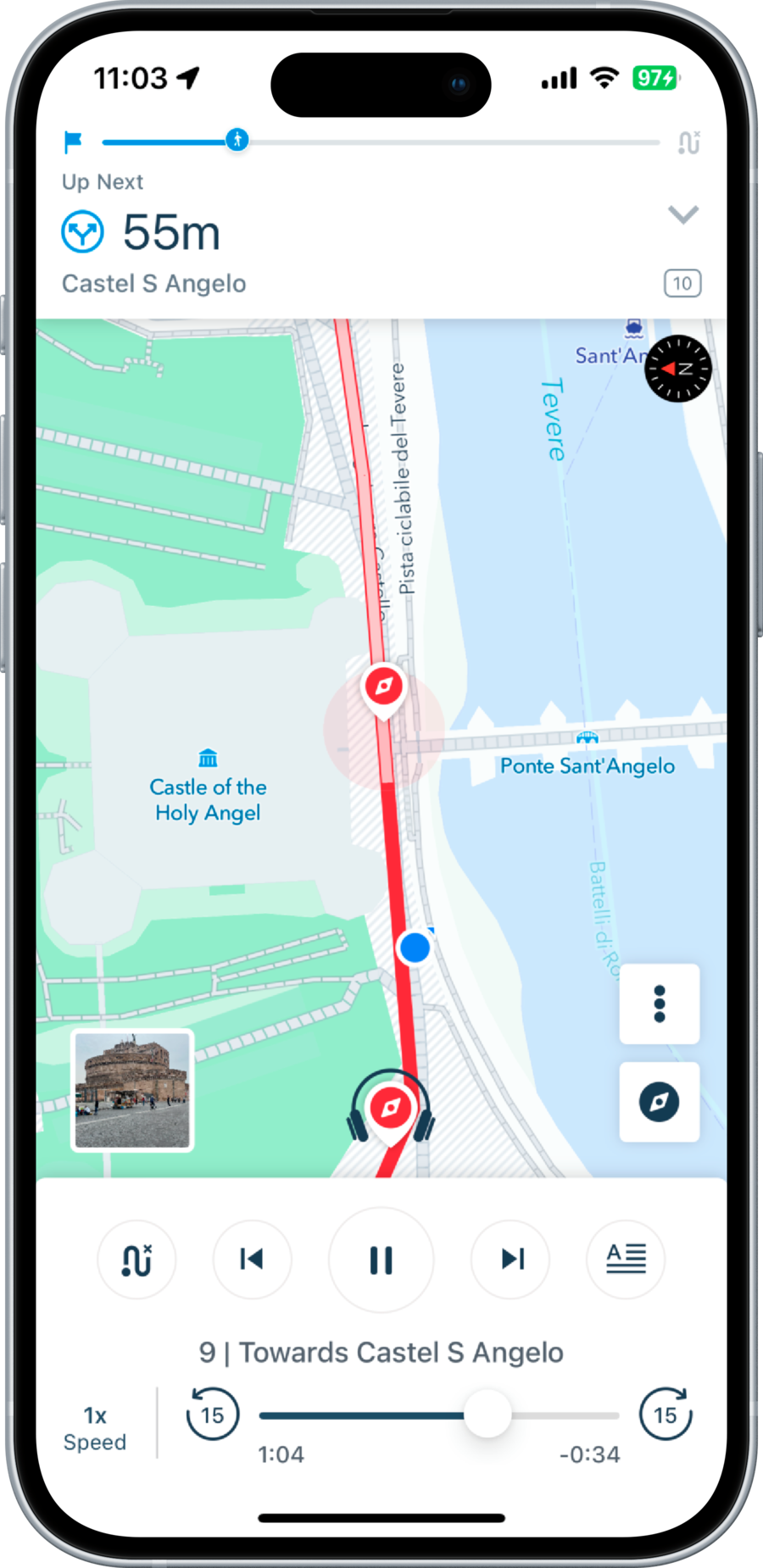
Download the app for free
VoiceMap
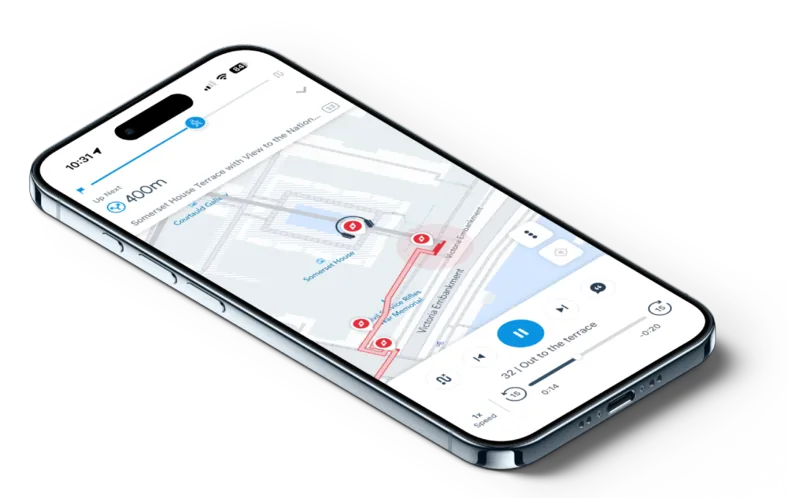
- Download tours to use them offline
- Listen hands-free with GPS playback
- Get turn-by-turn directions


Scan to get app
Download the app for free
VoiceMap




 App of the Day

 Editor’s Choice






Itchy feet? Us too
VoiceMap’s newsletter scratches that itch and stimulates your senses,
every fortnight. Curiosity is the only currency you need to subscribe.

Exploring is easier with a VoiceMap account
To purchase tours, add them to a wishlist, or access them with the VoiceMap app, please sign in or create a VoiceMap account


Exploring is easier with a VoiceMap account
To purchase tours, add them to a wishlist, or access them with the VoiceMap app, please sign in or create a VoiceMap account