







ATTRACTION
Helsinki Cathedral,
Helsinki

About
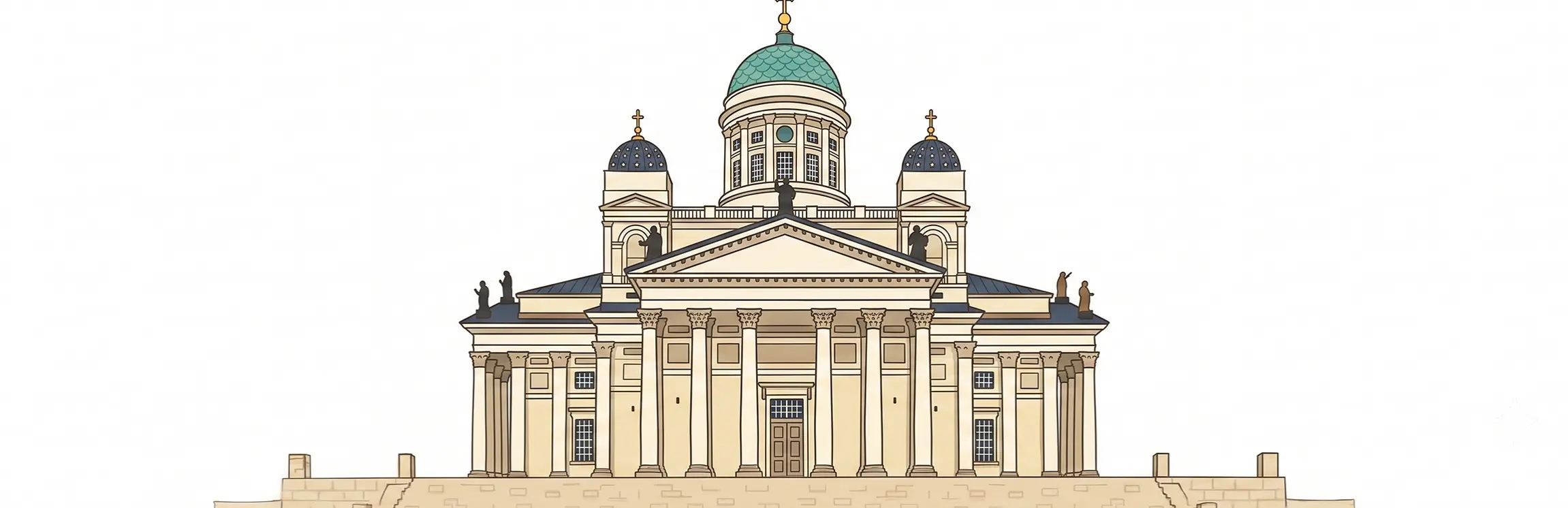
Helsinki Cathedral was not always so grandly named. When Carl Ludvig Engel finished it in 1852, it went by the more workaday title of St. Nicholas Church, a tribute to the Russian tsar who then ruled Finland. Its whiteness announces itself from the sea, which is precisely the point: this was Empire-era Helsinki's calling card to arriving ships, and it remains the city's defining symbol.
Look up, not just ahead. Twelve zinc apostles line the roof's four pediments, cast by a German foundry and hoisted into place in 1849. They form one of the world's largest surviving collections of zinc sculpture. Inside, an altarpiece donated by Tsar Nicholas I depicts the burial of Christ, a gift with more political calculation behind it than piety.
VoiceMap's self-guided audio tours use the Cathedral to unpack Helsinki's neoclassical Senate Square, tracing how a German architect built a Russian vision of a Finnish capital.
Look up, not just ahead. Twelve zinc apostles line the roof's four pediments, cast by a German foundry and hoisted into place in 1849. They form one of the world's largest surviving collections of zinc sculpture. Inside, an altarpiece donated by Tsar Nicholas I depicts the burial of Christ, a gift with more political calculation behind it than piety.
VoiceMap's self-guided audio tours use the Cathedral to unpack Helsinki's neoclassical Senate Square, tracing how a German architect built a Russian vision of a Finnish capital.

Tours featuring Helsinki Cathedral (2)


Scenic Routes
Top Sights
Modern History
Stroll through the cultural heart of Helsinki in search of legends and landmarks

 Walking Tour
|
 90 mins

Local Legends
Top Sights
Modern History
Laugh and learn as you take in modern nordic marvels and Renaissance beauties
 Walking Tour
|
150 mins
Download the app for free
VoiceMap
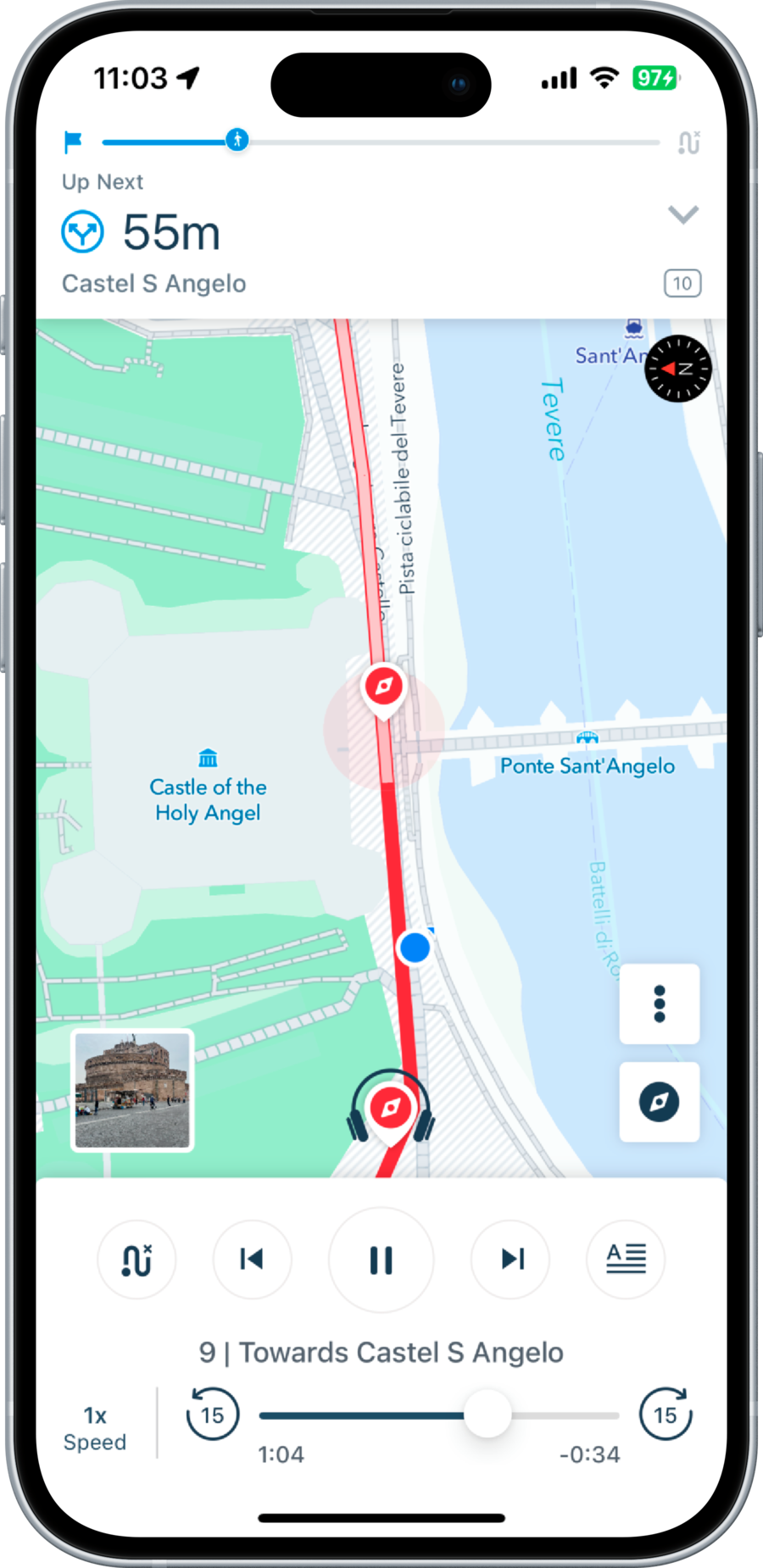
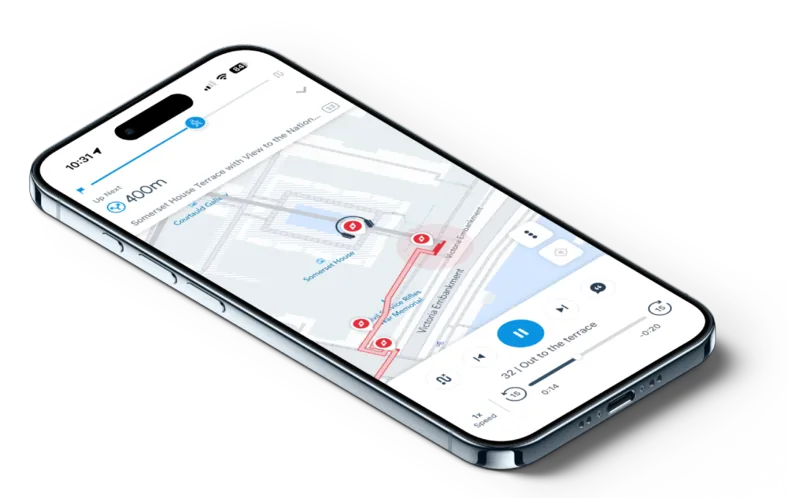
- Download tours to use them offline
- Listen hands-free with GPS playback
- Get turn-by-turn directions


Scan to get app
Download the app for free
VoiceMap




 App of the Day

 Editor’s Choice






Itchy feet? Us too
VoiceMap’s newsletter scratches that itch and stimulates your senses,
every fortnight. Curiosity is the only currency you need to subscribe.

Exploring is easier with a VoiceMap account
To purchase tours, add them to a wishlist, or access them with the VoiceMap app, please sign in or create a VoiceMap account


Exploring is easier with a VoiceMap account
To purchase tours, add them to a wishlist, or access them with the VoiceMap app, please sign in or create a VoiceMap account