







ATTRACTION
St Patrick's Cathedral,
Dublin

About
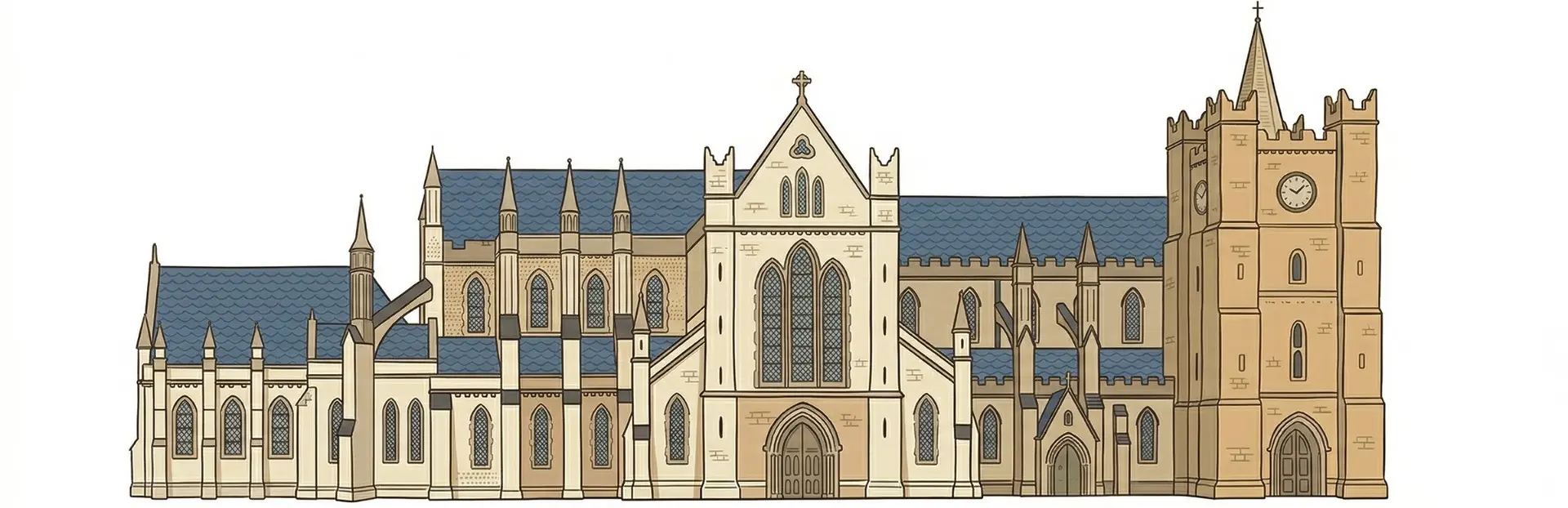
St Patrick's Cathedral sits on ground where a fifth-century Romano-British slave turned missionary baptised converts from the River Poddle. That river still flows beneath the street, invisible and unannounced.
The cathedral dates to 1191, though most of what you see is Victorian: by the 1800s, the building had deteriorated so badly that records of the medieval construction were largely lost along with the stonework. For over thirty years, it was presided over by Jonathan Swift, author of Gulliver's Travels. Swift is buried here, alongside the woman he may or may not have secretly married. Nearby Marsh's Library still bears bullet holes from the 1916 Easter Rising.
VoiceMap's self-guided audio tours trace the cathedral's role across Dublin's wider story, from the Huguenot refugees Swift welcomed through its doors to the Guinness family's patronage of the surrounding Liberties, placing the building at the centre of the city's literary, religious and social history.
The cathedral dates to 1191, though most of what you see is Victorian: by the 1800s, the building had deteriorated so badly that records of the medieval construction were largely lost along with the stonework. For over thirty years, it was presided over by Jonathan Swift, author of Gulliver's Travels. Swift is buried here, alongside the woman he may or may not have secretly married. Nearby Marsh's Library still bears bullet holes from the 1916 Easter Rising.
VoiceMap's self-guided audio tours trace the cathedral's role across Dublin's wider story, from the Huguenot refugees Swift welcomed through its doors to the Guinness family's patronage of the surrounding Liberties, placing the building at the centre of the city's literary, religious and social history.

Tours featuring St Patrick's Cathedral (2)


Top Sights
Local Legends
Food And Drink
Meet the rockers, rebels and regular folk who shaped Dublin on this city stroll.

 Walking Tour
|
 90 mins
Business And Commerce
Neighbourhoods
Local Legends
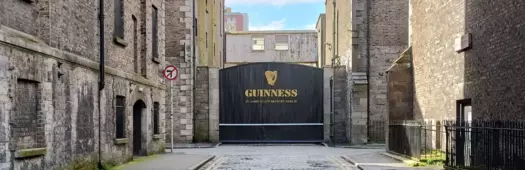
Meet the colourful characters and underdogs that shaped the city’s medieval core
 Walking Tour
|
60 mins
Download the app for free
VoiceMap
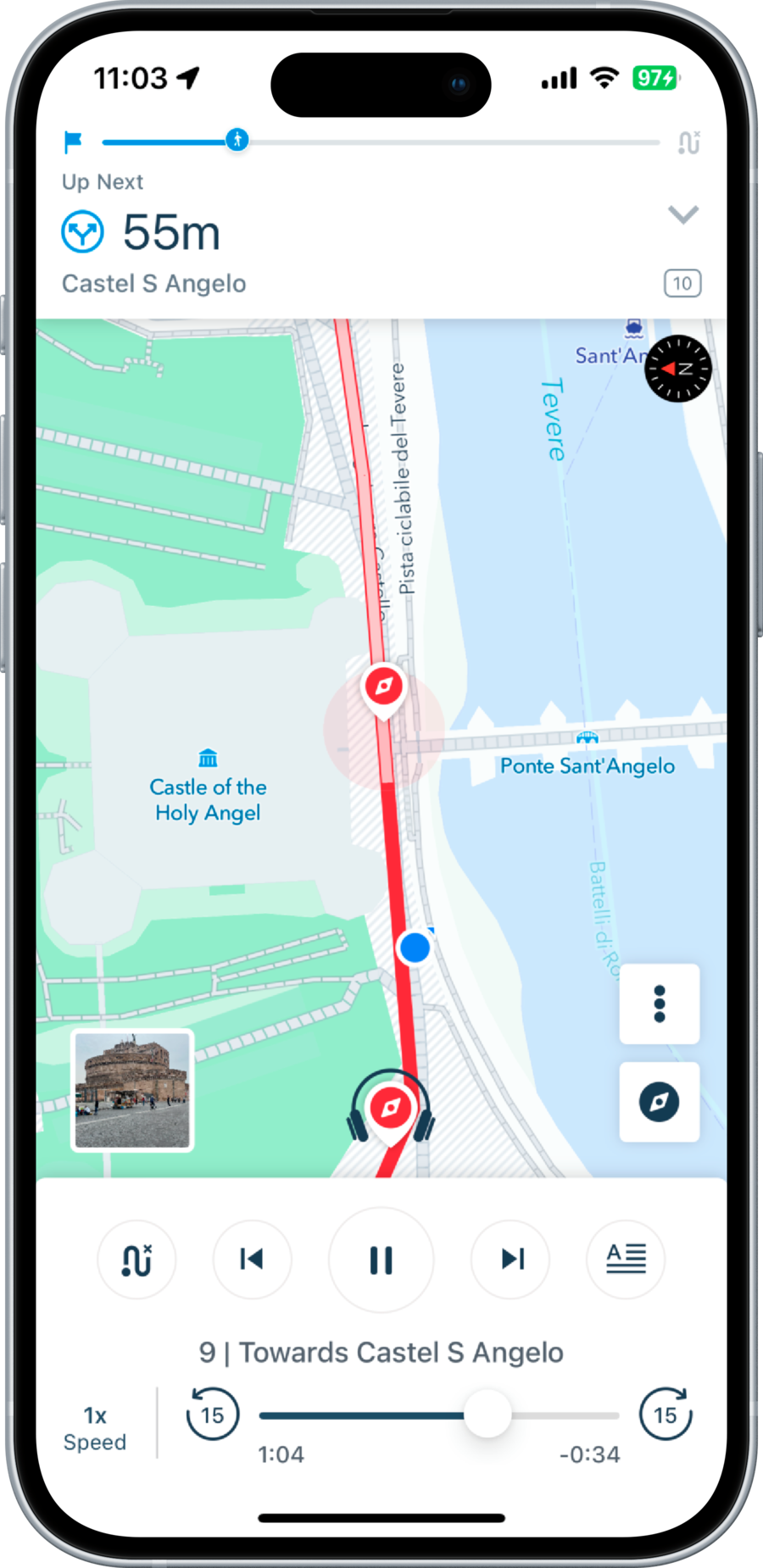
- Download tours to use them offline
- Listen hands-free with GPS playback
- Get turn-by-turn directions


Scan to get app
Download the app for free
VoiceMap




 App of the Day

 Editor’s Choice







Itchy feet? Us too
VoiceMap’s newsletter scratches that itch and stimulates your senses,
every fortnight. Curiosity is the only currency you need to subscribe.

Exploring is easier with a VoiceMap account
To purchase tours, add them to a wishlist, or access them with the VoiceMap app, please sign in or create a VoiceMap account


Exploring is easier with a VoiceMap account
To purchase tours, add them to a wishlist, or access them with the VoiceMap app, please sign in or create a VoiceMap account