






ATTRACTION
Tewkesbury Abbey,
Cotswolds

About
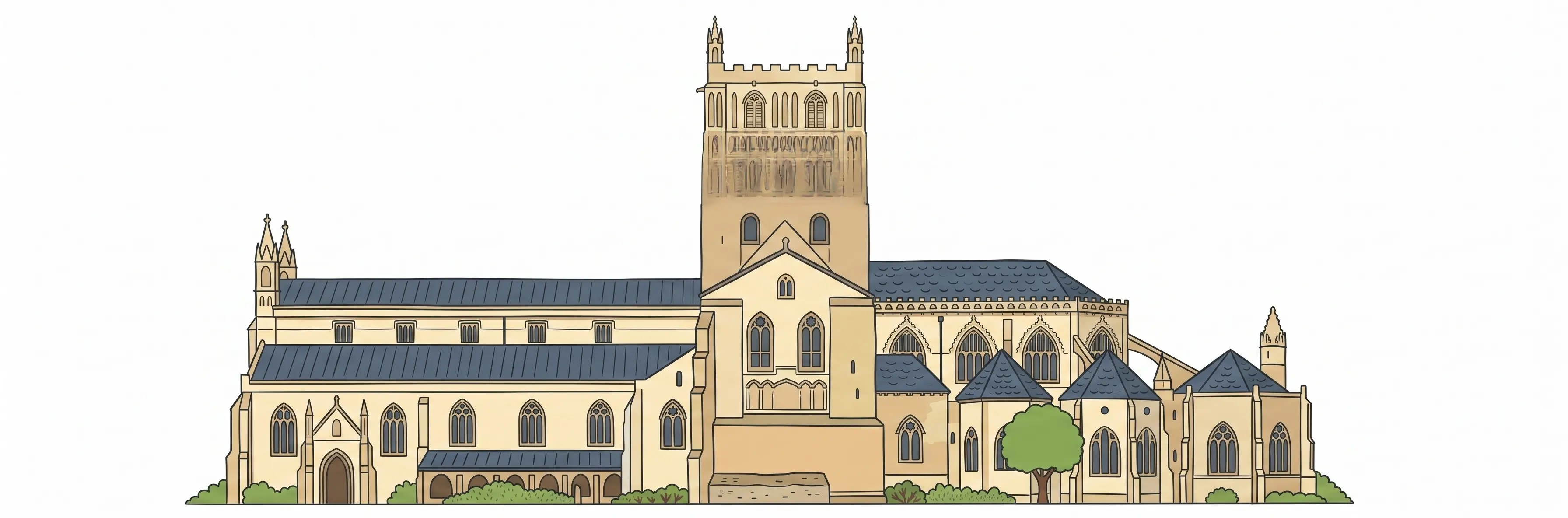
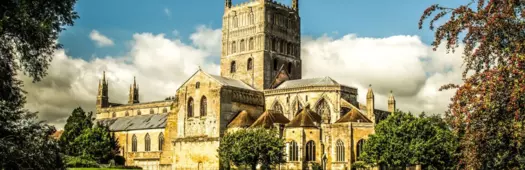
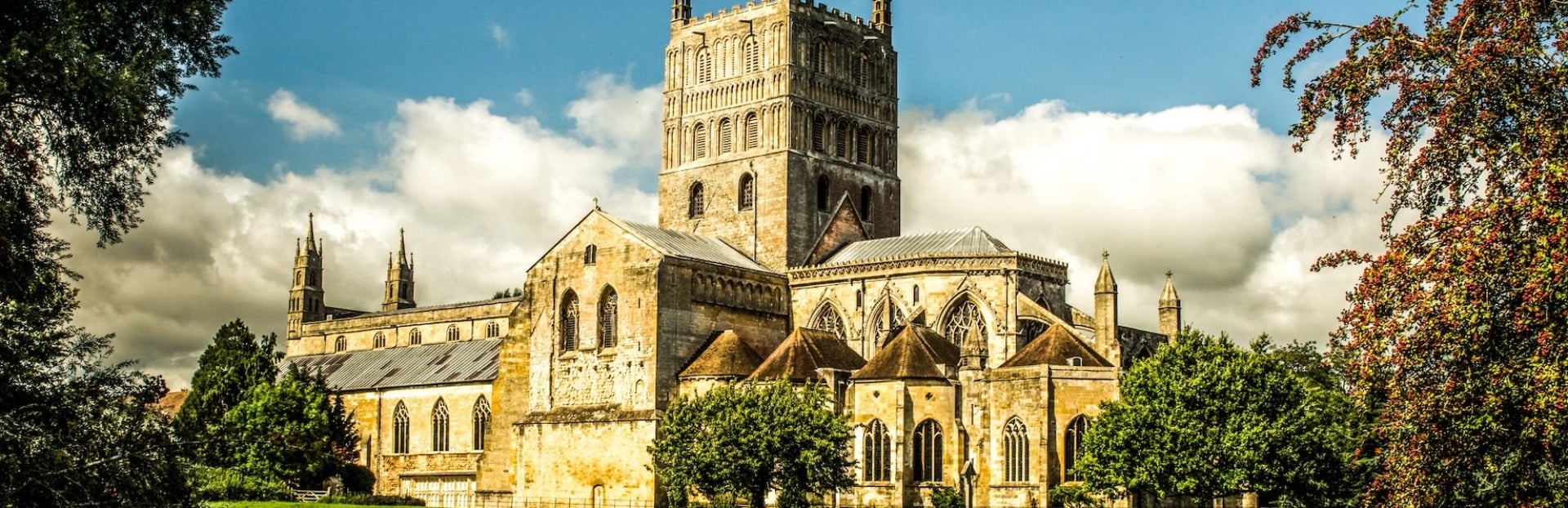
Tewkesbury Abbey has been called "the Westminster Abbey of the feudal baronage," and with good reason: it holds more medieval noble tombs than anywhere outside London's own abbey. That reputation nearly ended in the 1530s, when Henry VIII's officials valued the building's lead roof and bells at a mere four hundred and fifty three pounds and prepared to strip it. Tewkesbury's townspeople simply bought the whole church back from the Crown, saving it wholesale, a piece of civic stubbornness rare in Reformation England.
The Normans completed the abbey in 1121, and its tower, forty five metres high, remains the largest Romanesque example in the country. Beneath it lie victims of the Wars of the Roses, including George, Duke of Clarence, reputedly drowned in a butt of Malmsey wine after the Battle of Tewkesbury in 1471.
VoiceMap's "Tewkesbury Tales" tour traces that battle's aftermath through the abbey and into the town's timber framed streets, following the Lancastrian dead from the battlefield to their final resting place.
The Normans completed the abbey in 1121, and its tower, forty five metres high, remains the largest Romanesque example in the country. Beneath it lie victims of the Wars of the Roses, including George, Duke of Clarence, reputedly drowned in a butt of Malmsey wine after the Battle of Tewkesbury in 1471.
VoiceMap's "Tewkesbury Tales" tour traces that battle's aftermath through the abbey and into the town's timber framed streets, following the Lancastrian dead from the battlefield to their final resting place.

Tours featuring Tewkesbury Abbey (1)

Architecture
Medieval History
War And Military
Gallivant through the tiny Tudor town that was once home to 101 pubs

 Walking Tour
|
 90 mins
Download the app for free
VoiceMap
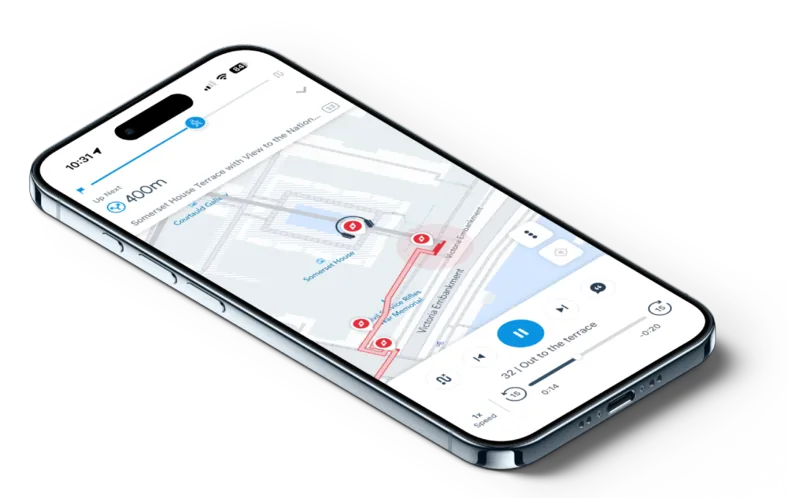
- Download tours to use them offline
- Listen hands-free with GPS playback
- Get turn-by-turn directions


Scan to get app
Download the app for free
VoiceMap




 App of the Day

 Editor’s Choice




Itchy feet? Us too
VoiceMap’s newsletter scratches that itch and stimulates your senses,
every fortnight. Curiosity is the only currency you need to subscribe.

Exploring is easier with a VoiceMap account
To purchase tours, add them to a wishlist, or access them with the VoiceMap app, please sign in or create a VoiceMap account


Exploring is easier with a VoiceMap account
To purchase tours, add them to a wishlist, or access them with the VoiceMap app, please sign in or create a VoiceMap account