







ATTRACTION
Corinium Museum,
Cotswolds

About
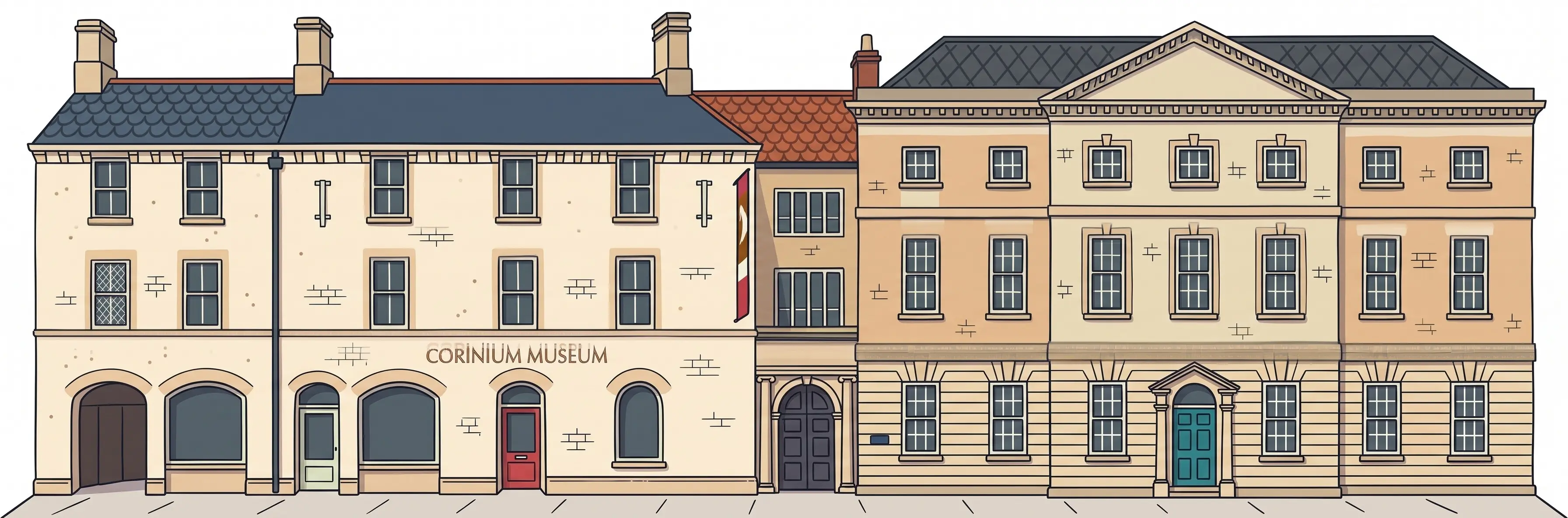
Cirencester's Corinium Museum owes its existence, in part, to a burst sewer. When workmen digging drains in 1849 struck two Roman mosaics, the 4th Earl of Bathurst decided the town needed somewhere to keep them, and the museum was born.
It has been filling up with treasures since. Cirencester was Corinium Dobunnorum to the Romans, second largest town in Roman Britain after Londinium, and its workshops turned out some of the province's finest mosaic flooring. Star of the collection is the Hare Mosaic, unearthed in 1971, so beloved that Cirencester adopted the hare as one of its symbols.
VoiceMap's Cirencester Walking Tour, led by guide Owen Bowles, uses the museum's mosaics to trace Corinium's rise as Roman Britain's second city, while a tour through nearby Bibury sends walkers back to its cabinets to see coins and pavements pulled from a Roman villa in a bend of the River Coln.
It has been filling up with treasures since. Cirencester was Corinium Dobunnorum to the Romans, second largest town in Roman Britain after Londinium, and its workshops turned out some of the province's finest mosaic flooring. Star of the collection is the Hare Mosaic, unearthed in 1971, so beloved that Cirencester adopted the hare as one of its symbols.
VoiceMap's Cirencester Walking Tour, led by guide Owen Bowles, uses the museum's mosaics to trace Corinium's rise as Roman Britain's second city, while a tour through nearby Bibury sends walkers back to its cabinets to see coins and pavements pulled from a Roman villa in a bend of the River Coln.

Tours featuring Corinium Museum (1)

Religious Sites
Parks And Gardens
Ancient History
Sift through tales of wool merchants and Roman mosaics in Cotswolds’ Capital

 Walking Tour
|
 90 mins
Download the app for free
VoiceMap
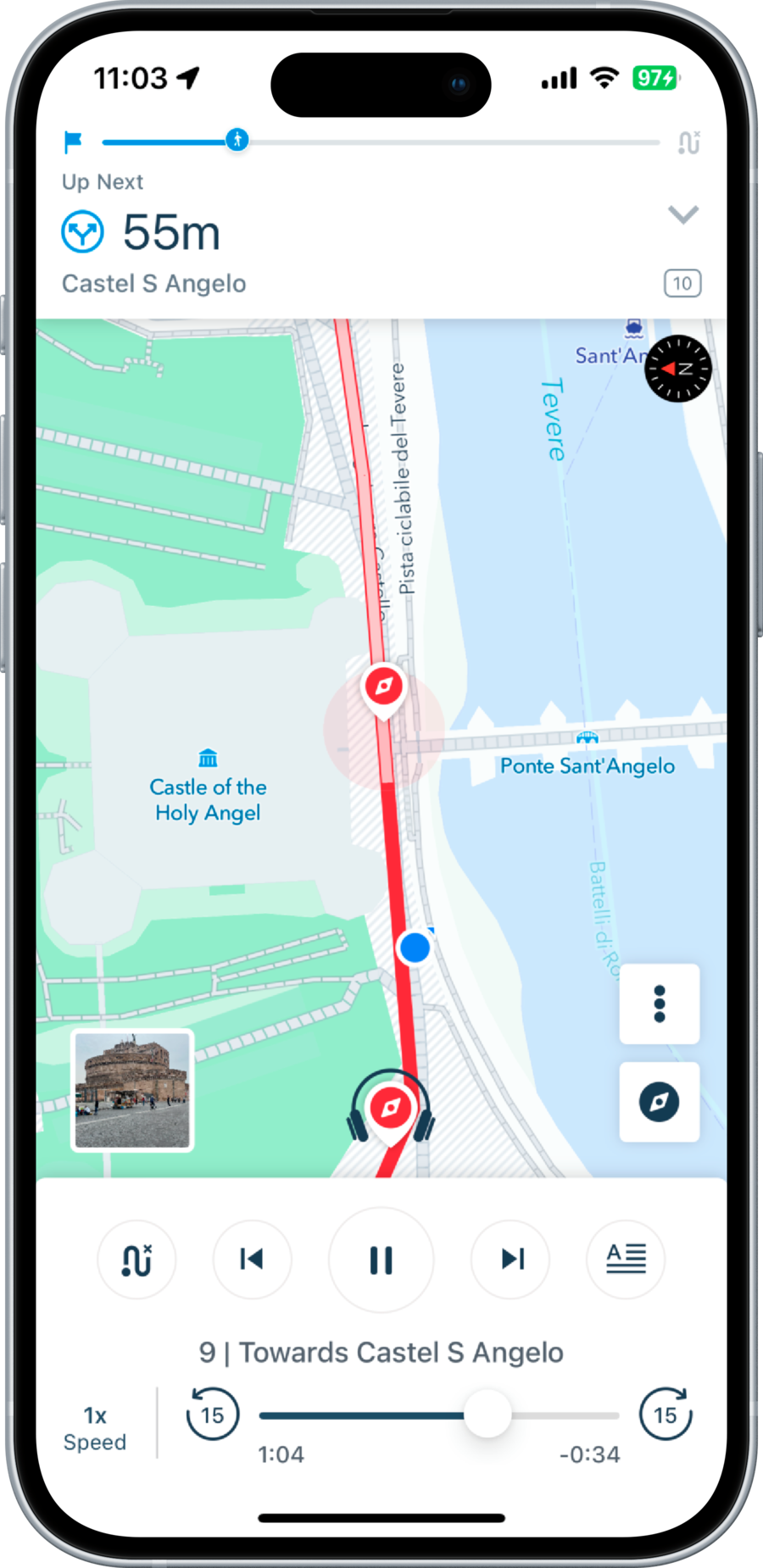
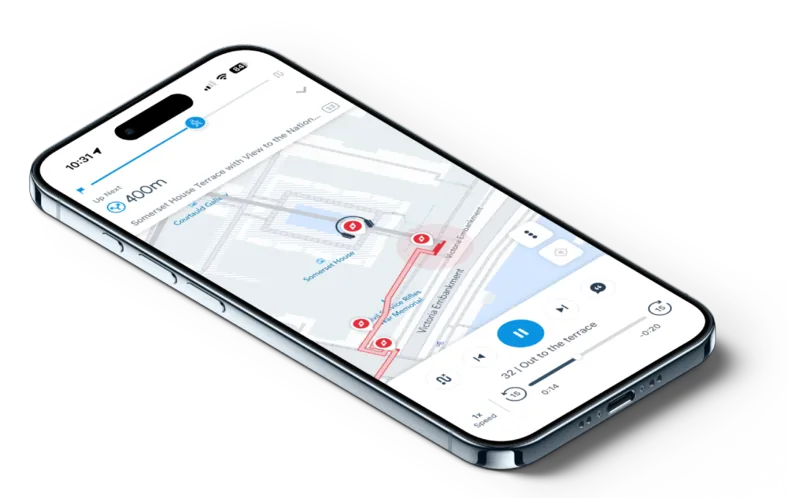
- Download tours to use them offline
- Listen hands-free with GPS playback
- Get turn-by-turn directions


Scan to get app
Download the app for free
VoiceMap




 App of the Day

 Editor’s Choice






Itchy feet? Us too
VoiceMap’s newsletter scratches that itch and stimulates your senses,
every fortnight. Curiosity is the only currency you need to subscribe.

Exploring is easier with a VoiceMap account
To purchase tours, add them to a wishlist, or access them with the VoiceMap app, please sign in or create a VoiceMap account


Exploring is easier with a VoiceMap account
To purchase tours, add them to a wishlist, or access them with the VoiceMap app, please sign in or create a VoiceMap account