







ATTRACTION
The Round Tower,
Copenhagen


About
The Rundetårn, or Round Tower, has no proper staircase. Instead a spiral ramp coils up its insides, gentle enough that a horse and cart once hauled books to the university library and instruments to the observatory. Hans Christian Andersen was so taken with the place that in The Tinder Box he gave a monstrous dog eyes "as big as the Round Tower," and in an 1827 poem, he imagined a poet waking at midnight to find the tower gone, an abyss beneath him.
Christian IV finished it in 1642 as part of the Trinitatis Complex: tower, church and library, serving both science and God. Its observatory marked the starting point for measuring Denmark, the country's own Greenwich.
VoiceMap's self-guided audio tours trace Andersen's footsteps to the library where he read as a boy, and reveal how Christian IV's astronomical ambitions, born of wartime navigation, gave Copenhagen its ramped tower.
Christian IV finished it in 1642 as part of the Trinitatis Complex: tower, church and library, serving both science and God. Its observatory marked the starting point for measuring Denmark, the country's own Greenwich.
VoiceMap's self-guided audio tours trace Andersen's footsteps to the library where he read as a boy, and reveal how Christian IV's astronomical ambitions, born of wartime navigation, gave Copenhagen its ramped tower.

Tours featuring the Round Tower (4)


Literature
Modern History
Local Legends
Step into the renowned author’s world, taking in his former homes and haunts

 Walking Tour
|
 120 mins

Oddities And Rarities
Food And Drink
Scenic Routes
Embrace this Danish phenomenon as you take in the city sites on a relaxed stroll
Walking Tour
|
120 mins

Local Legends
Royal Heritage
Scenic Routes
Hear about the movers and shakers that shaped this royal Nordic city
 Walking Tour
|
75 mins

Christmas
Oddities And Rarities
Literature
Follow the writer’s footsteps through fairy tales, families, and traditions
Walking Tour
|
120 mins
Download the app for free
VoiceMap
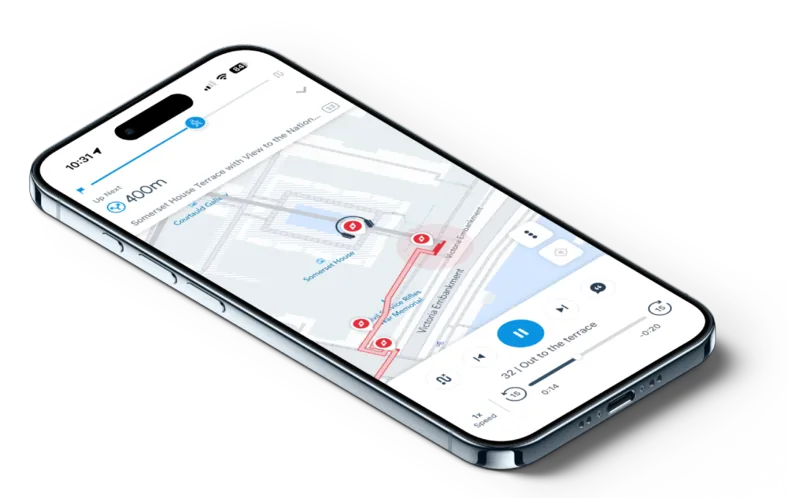
- Download tours to use them offline
- Listen hands-free with GPS playback
- Get turn-by-turn directions


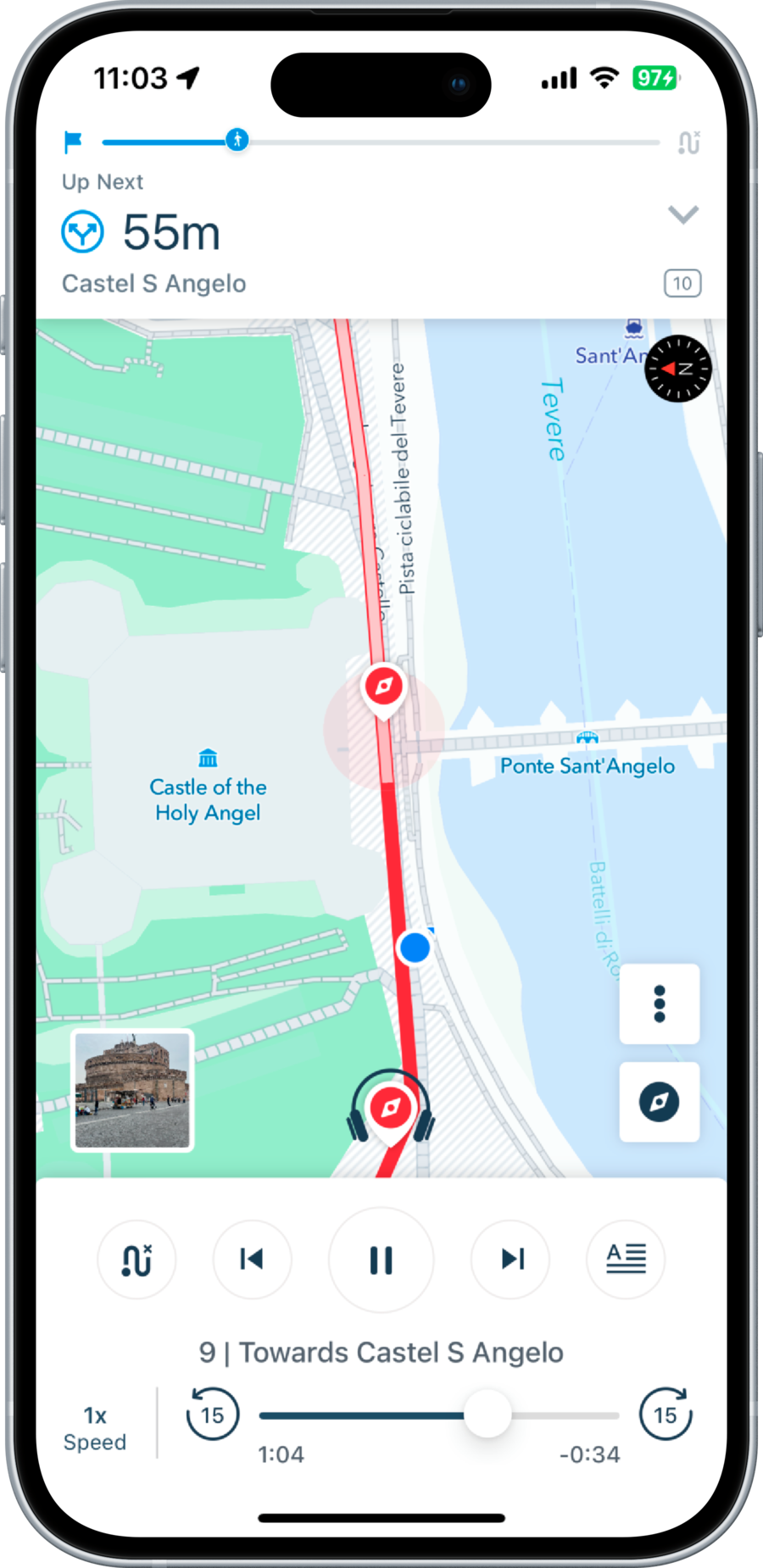
Scan to get app
Download the app for free
VoiceMap




 App of the Day

 Editor’s Choice







Itchy feet? Us too
VoiceMap’s newsletter scratches that itch and stimulates your senses,
every fortnight. Curiosity is the only currency you need to subscribe.

Exploring is easier with a VoiceMap account
To purchase tours, add them to a wishlist, or access them with the VoiceMap app, please sign in or create a VoiceMap account


Exploring is easier with a VoiceMap account
To purchase tours, add them to a wishlist, or access them with the VoiceMap app, please sign in or create a VoiceMap account