







ATTRACTION
Nyhavn,
Copenhagen

About
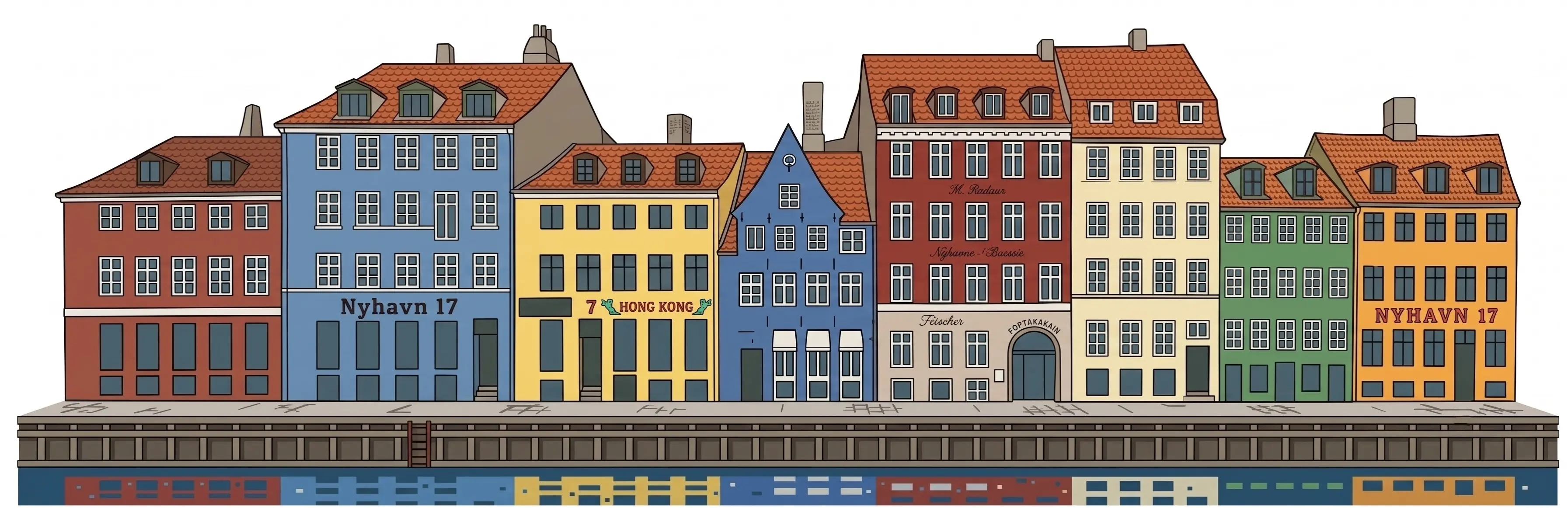
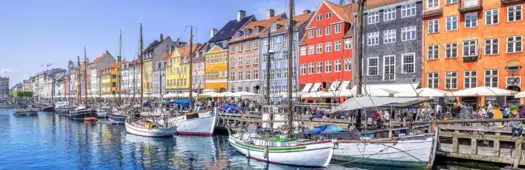
Nyhavn means New Harbour, which is a touch misleading given it was dug back in the 1670s. It isn't, strictly, even its real name. The canal was officially christened Gyldenløves Kanal after Christian V's half-brother, but Copenhageners ignored that entirely and kept the building-site nickname, which is more or less how naming tends to go.
For two centuries this was the city's roughest quarter, a tangle of sailors' taverns, gambling and prostitution that locals called the sinful side, all of it within sight of regal Kongens Nytorv. Improbably, it was also home to Hans Christian Andersen, who lived at three different addresses here and wrote "The Emperor's New Clothes" at number 20.
VoiceMap's self-guided audio tours trace Andersen across his Nyhavn doorways, untangle the canal's official-versus-nickname history, and follow the colourful harbour as the route toward royal Amalienborg.
For two centuries this was the city's roughest quarter, a tangle of sailors' taverns, gambling and prostitution that locals called the sinful side, all of it within sight of regal Kongens Nytorv. Improbably, it was also home to Hans Christian Andersen, who lived at three different addresses here and wrote "The Emperor's New Clothes" at number 20.
VoiceMap's self-guided audio tours trace Andersen across his Nyhavn doorways, untangle the canal's official-versus-nickname history, and follow the colourful harbour as the route toward royal Amalienborg.

Tours featuring Nyhavn (7)


Fine Art
Museums
Architecture
Discover Danish design, from postwar skyscrapers to sleek and stylish furniture

 Walking Tour
|
 90 mins
Modern History
Local Legends
Architecture
Hear the tales of turmoil that helped transform Denmark's medieval capital
 Walking Tour
|
90 mins

Literature
Modern History
Local Legends
Step into the renowned author’s world, taking in his former homes and haunts
 Walking Tour
|
120 mins
Oddities And Rarities
Food And Drink
Scenic Routes
Embrace this Danish phenomenon as you take in the city sites on a relaxed stroll
Walking Tour
|
120 mins
Royal Heritage
Scenic Routes
Top Sights
Go in search of traditional Denmark on a stroll through the vibrant metropolis
Walking Tour
|
120 mins
Local Legends
Royal Heritage
Scenic Routes
Hear about the movers and shakers that shaped this royal Nordic city
 Walking Tour
|
75 mins

Christmas
Oddities And Rarities
Literature
Follow the writer’s footsteps through fairy tales, families, and traditions
Walking Tour
|
120 mins
Download the app for free
VoiceMap
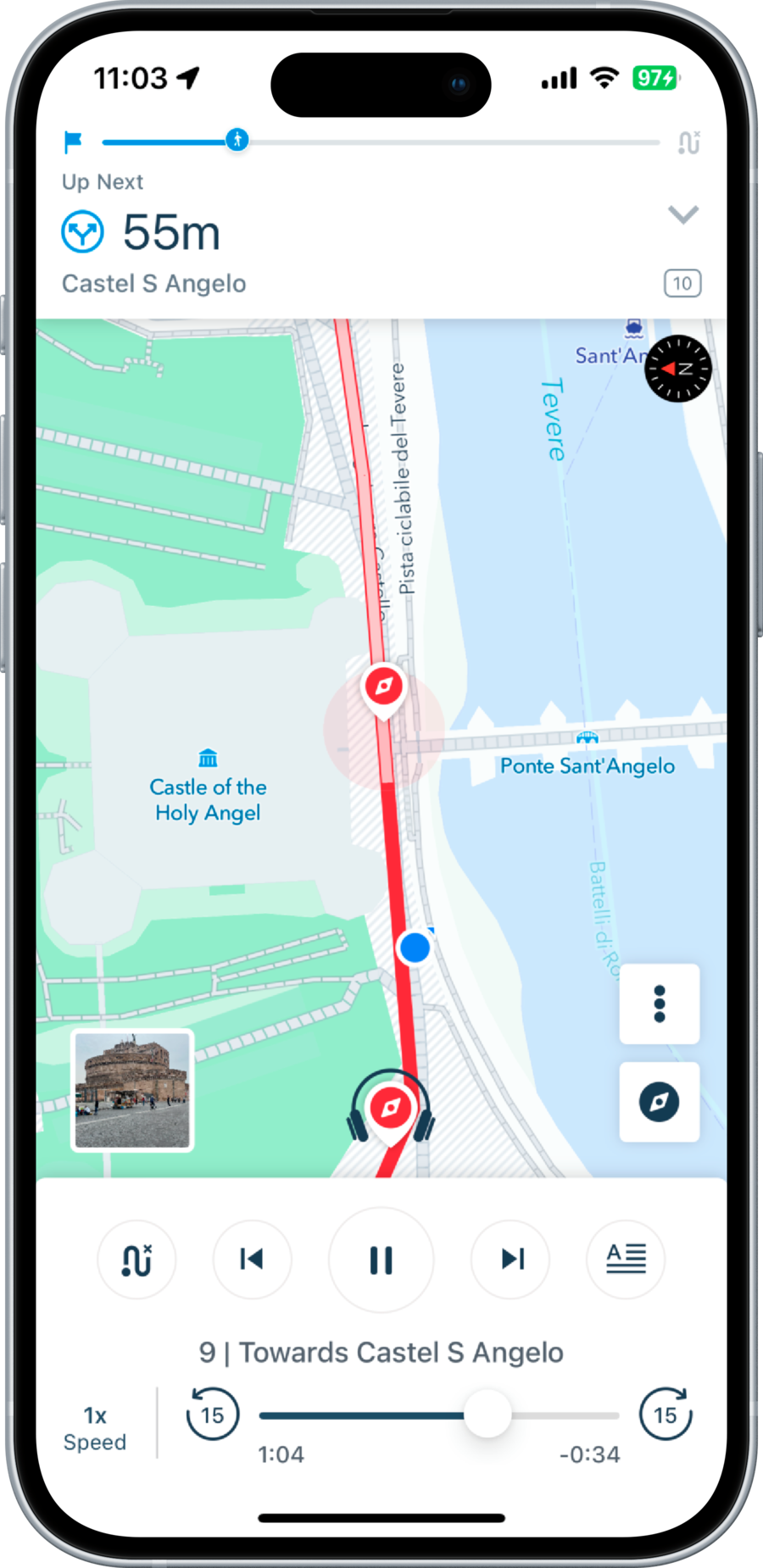
- Download tours to use them offline
- Listen hands-free with GPS playback
- Get turn-by-turn directions


Scan to get app
Download the app for free
VoiceMap




 App of the Day

 Editor’s Choice








Itchy feet? Us too
VoiceMap’s newsletter scratches that itch and stimulates your senses,
every fortnight. Curiosity is the only currency you need to subscribe.

Exploring is easier with a VoiceMap account
To purchase tours, add them to a wishlist, or access them with the VoiceMap app, please sign in or create a VoiceMap account


Exploring is easier with a VoiceMap account
To purchase tours, add them to a wishlist, or access them with the VoiceMap app, please sign in or create a VoiceMap account