







ATTRACTION
Wat Arun,
Bangkok

About
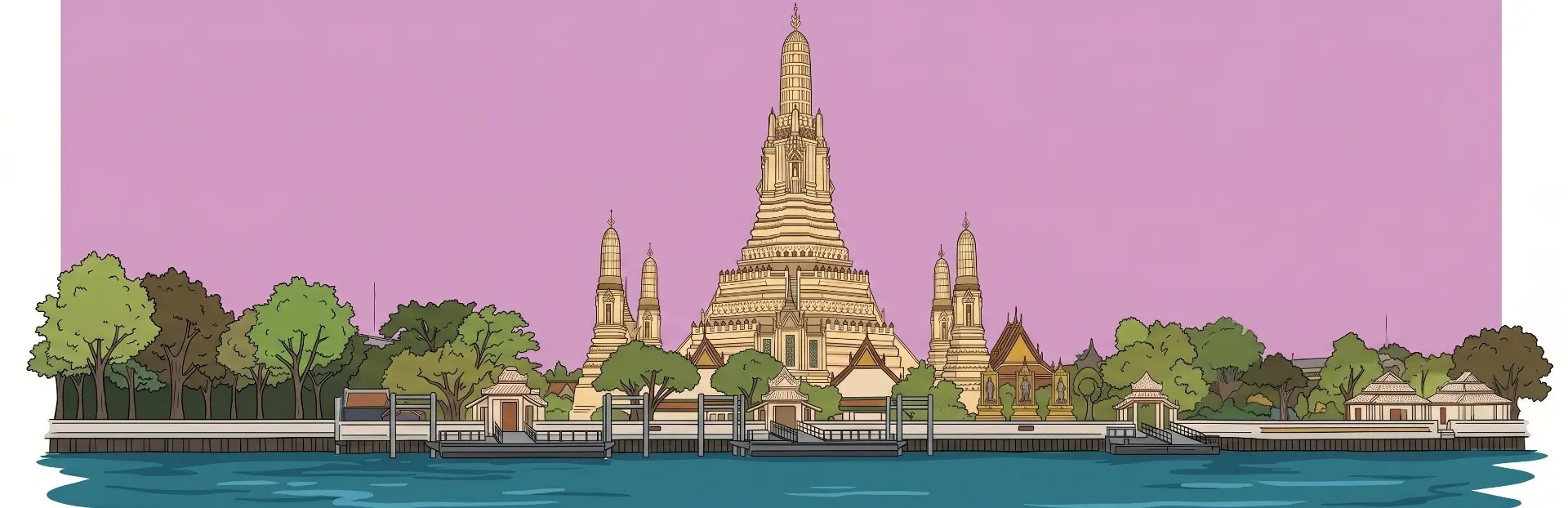
Wat Arun, the Temple of Dawn, takes its name from Aruna, the Hindu goddess of the rising sun. At sunrise and sunset, light catches thousands of fragments of broken porcelain and seashells encrusting the central tower. The porcelain came from China, carried as ballast in trading junks and repurposed into something altogether more dazzling.
The temple has stood here since at least the 1600s, but the great rocket-like prang and its four smaller companions were added during the reign of Rama II, whose ashes lie beneath the Buddha image in the Ordination Hall. The site has a deeper history: King Taksin built his palace here after retaking Siam from the Burmese in 1767, crowning himself king at 34 before being executed fifteen years later.
VoiceMap's self-guided audio tours use Wat Arun to trace the arc from Ayutthaya's fall to the founding of Bangkok, and invite visitors to climb the prang itself.
The temple has stood here since at least the 1600s, but the great rocket-like prang and its four smaller companions were added during the reign of Rama II, whose ashes lie beneath the Buddha image in the Ordination Hall. The site has a deeper history: King Taksin built his palace here after retaking Siam from the Burmese in 1767, crowning himself king at 34 before being executed fifteen years later.
VoiceMap's self-guided audio tours use Wat Arun to trace the arc from Ayutthaya's fall to the founding of Bangkok, and invite visitors to climb the prang itself.

Tours featuring Wat Arun (1)

Religious Sites
Business And Commerce
Ancient History
Sail down the Chao Phraya, where East and West have intermingled for centuries

 Boat Tour
|
 120 mins
Download the app for free
VoiceMap
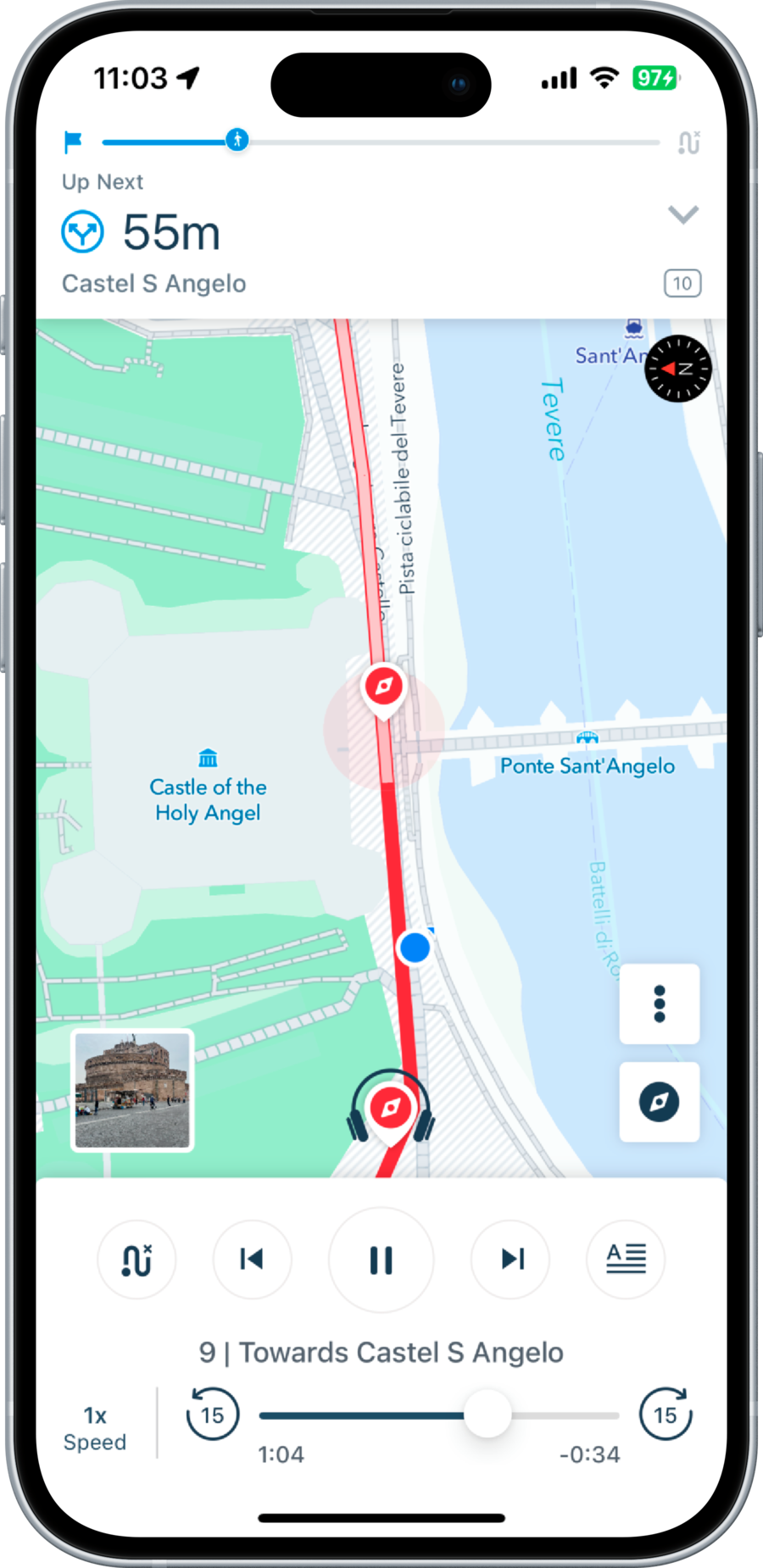
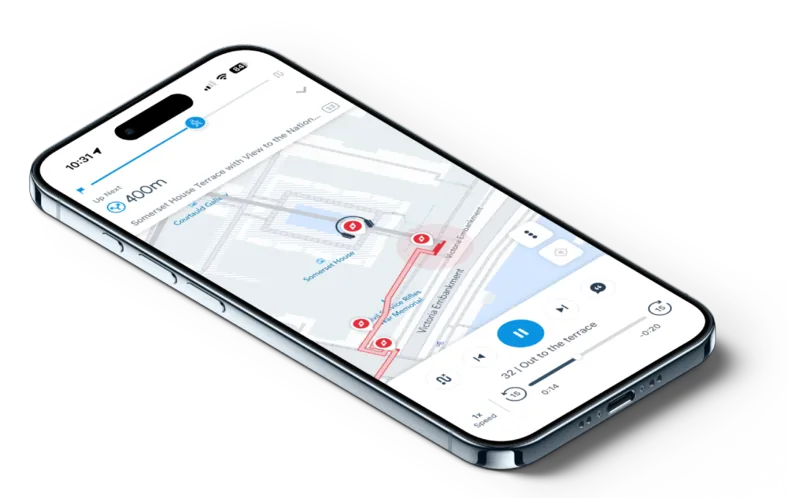
- Download tours to use them offline
- Listen hands-free with GPS playback
- Get turn-by-turn directions


Scan to get app
Download the app for free
VoiceMap




 App of the Day

 Editor’s Choice




Itchy feet? Us too
VoiceMap’s newsletter scratches that itch and stimulates your senses,
every fortnight. Curiosity is the only currency you need to subscribe.

Exploring is easier with a VoiceMap account
To purchase tours, add them to a wishlist, or access them with the VoiceMap app, please sign in or create a VoiceMap account


Exploring is easier with a VoiceMap account
To purchase tours, add them to a wishlist, or access them with the VoiceMap app, please sign in or create a VoiceMap account